
What Is a Starseed? Meaning, Origins, Types, and Signs

A starseed is a story about belonging somewhere else. The useful question is what that story is trying to tell you about here.
Key Takeaways
What is a starseed? A starseed is a person whose soul is believed to have originated in another star system, planet, or dimension before incarnating on Earth.
In New Age belief, starseeds come here to help humanity through a period of change, often forgetting their origins until a spiritual awakening brings them back.
Many people meet the idea at a moment when they feel they don’t fit in, and the word gives that feeling a shape. This guide covers what the term means, where it came from, the main starseed types, and the signs people describe.
What Does Starseed Mean?
The word combines “star” and “seed.” It suggests a soul planted on Earth from somewhere in the stars, carrying knowledge or a purpose from that origin.
In starseed teaching, these souls choose to be born into human bodies at a time of upheaval. They are said to forget where they came from so they can live as ordinary humans, then gradually remember through intuition, dreams, or a spiritual awakening.
The mission most often described is service. Starseeds are said to be drawn to healing, teaching, creative work, and advocacy- anything that helps other people wake up or suffer less.
Some also describe practices tied to the identity. Meditation is the most common. Light language, a stream of sounds, tones, or symbols said to carry meaning beyond words, is another.
The details vary by teacher. The core idea stays the same: you are here on purpose, and you came from further away than it looks.
What Is Starseed Energy?
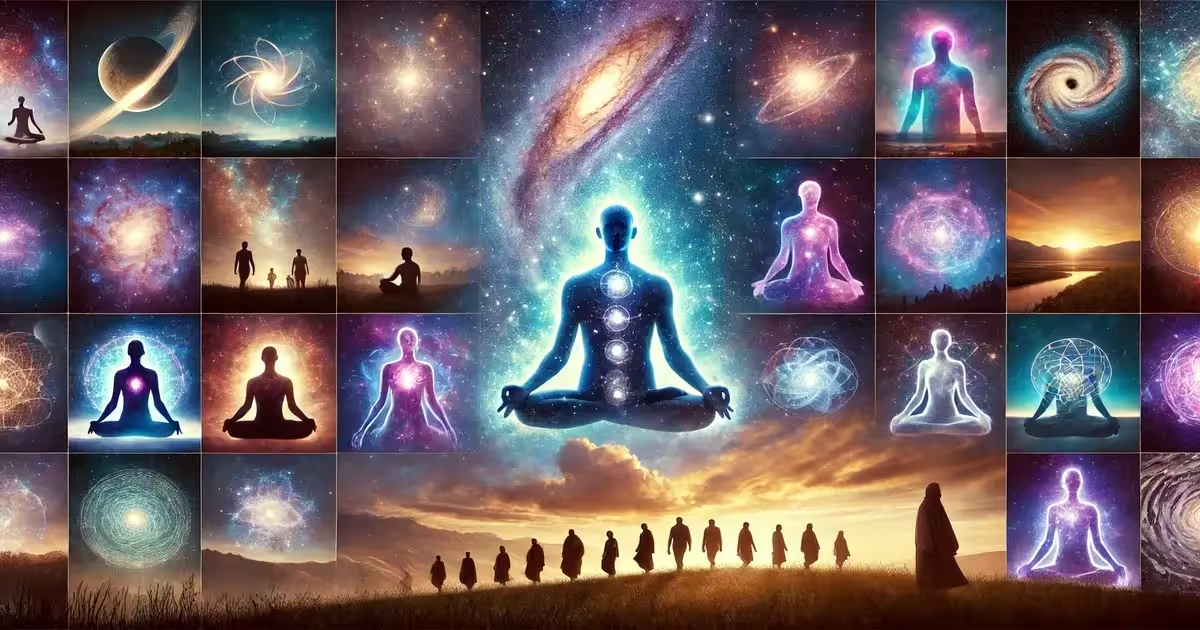
“Starseed energy” is the phrase people use for the felt quality of a starseed: the way they come across to others and experience the world. It is less a measurable force than a shorthand for a recognizable temperament.
The descriptions are consistent across teachers. Starseed energy is said to feel intense, curious, and slightly otherworldly, as if the person is paying attention to something just beyond the room.
People who identify with it often describe running at a different frequency from those around them. They absorb moods quickly, tire in loud or harsh settings, and recharge through solitude, nature, or music.
Each type is said to carry its own flavor. Pleiadian energy is described as soft and nurturing, Sirian as focused and protective, and Arcturian as calm and analytical. The type guides linked below go into those differences.
If the phrase fits you, the practical question is how to live well with it. Intense sensitivity is easier to carry with steady routines, time outdoors, and regular rest.
Where Did the Idea of Starseeds Come From?
The concept is younger than most people assume. According to the Wikipedia entry on star people, author Brad Steiger introduced “Star People” in his 1976 book Gods of Aquarius. He described them as humans who come from a special gene pool linked to visits by extraterrestrials.
Over the following decades, channelers and New Age authors built on that foundation. They added star systems, soul histories and mission descriptions, until the single idea of “star people” became a family of distinct starseed types.
Social media gave it a second life; writing for The Conversation in 2023, psychologists Ken Drinkwater, Andrew Denovan and Neil Dagnall noted that starseed content on TikTok had passed one billion views.
That history matters for how you read the rest. The starseed origins below are a modern spiritual framework built by many teachers, not an ancient tradition and not astronomy.
What Are the Main Types of Starseeds?
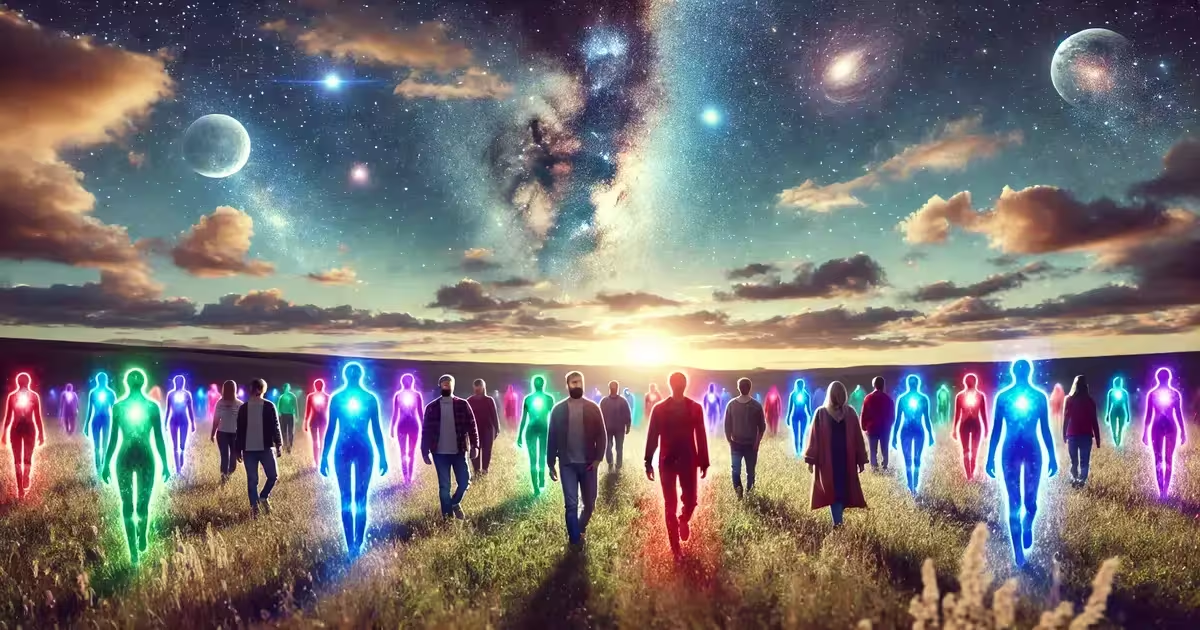
Starseed teachers group souls by the place they are said to come from. The short descriptions below reflect how the belief system describes each type. Follow the links for a full guide to each one.
Starseed Origins in Star Systems and Planets
Starseeds With Earth Lineages
Soul Types Often Grouped With Starseeds

How Do You Find Your Starseed Origin?
Starseed teachers offer a few ways to explore which star system you feel tied to. None of them is a test. Each one simply asks where your attention already goes.
Some people pay for starseed readings. If you do, treat a reading as one person’s impression, not a verdict. The origin that matters most is the one that helps you understand how you live now.
What Are the Signs You Might Be a Starseed?
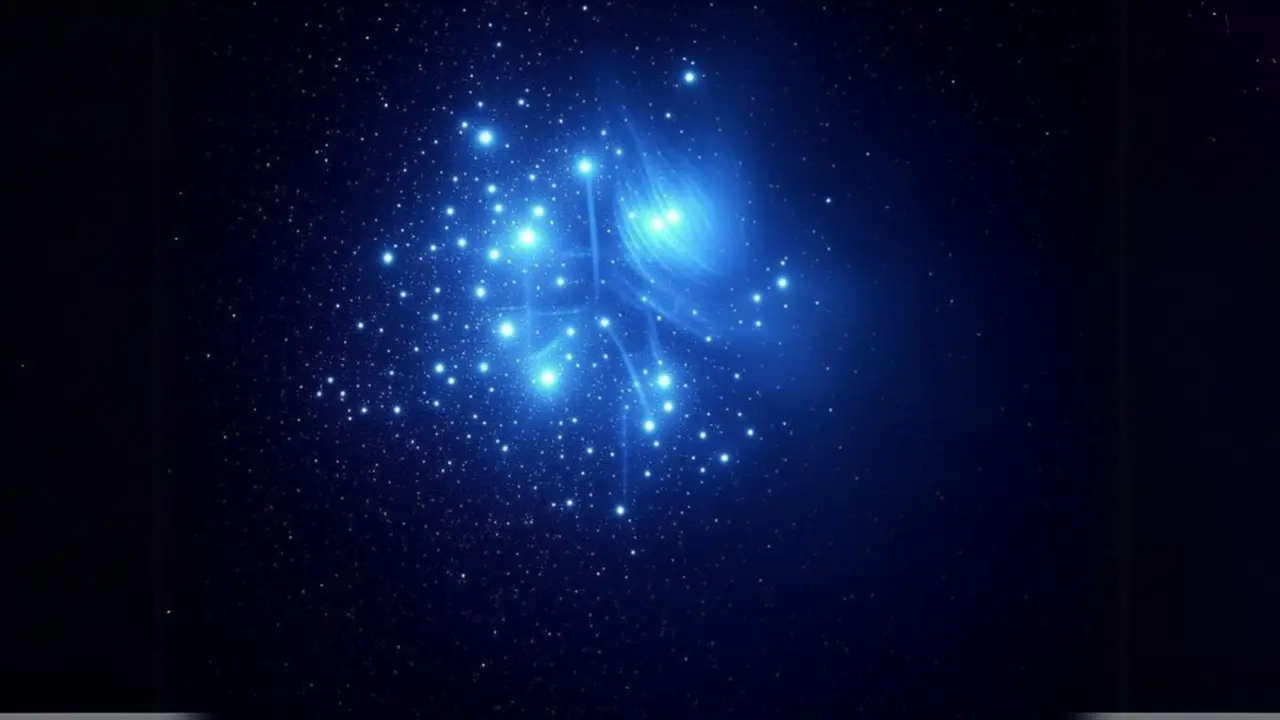
People who identify as starseeds tend to describe a similar set of experiences. None of them proves anything on its own, but together they explain why the idea feels familiar to so many readers.
When these experiences intensify and start to reorganize someone’s life, starseed teachers call it an awakening. The process, its stages, and its symptoms are covered in detail in the guide to starseed awakening.
Subscribe to Create Higher Vibrations!
Get Inspiration and Practical advice straight to your inbox.
How Is a Starseed Different From an Old Soul, an Empath, or a Lightworker?
These labels overlap, and people often hold several at once. The difference lies in what each one is about.
Psychology has its own name for part of this experience. Elaine and Arthur Aron’s research on sensory-processing sensitivity (1997) describes people who process sensory and emotional input more deeply than average, which is often called being a highly sensitive person.
Many readers who relate to starseed signs recognize themselves in that research too.
Is Being a Starseed Real?
Whether souls come from other star systems is a question of belief. No scientific test can confirm or rule it out, and CHV presents the starseed idea as a spiritual framework rather than a fact.
The experiences behind it, however, are real and common. Drinkwater, Denovan and Dagnall point out that the usual starseed signs, such as feeling disconnected, searching for meaning and strong empathy, describe a very large share of people.
They also name the Forer effect: the tendency to accept broad descriptions as uniquely personal. That is part of why so many readers recognize themselves in a starseed sign list.
None of that makes the experiences less valid. It means the value of the framework lies in what you do with it: whether it helps you understand your sensitivity and purpose, or pulls you away from the people and life in front of you.
What Should You Do If You Think You’re a Starseed?
Feeling like you don’t belong is painful, and it usually starts long before anyone has a word for it. Finding a framework that explains it can be a relief. What happens next is up to you.
Use the idea as a lens, not an exit. Ask what your sensitivity is for, what kind of service feels natural, and where on Earth, among actual people, you feel most at home. Sensitive people also tend to need strong grounding habits, and somatic practices are a practical place to start.
Next, pick the starseed type above that pulled at you most and read its full guide. Notice which parts ring true and which don’t. Either way, you are here now, and here is where the work happens.