
Vega Starseed: Traits, Origins, Appearance, and Mission on Earth
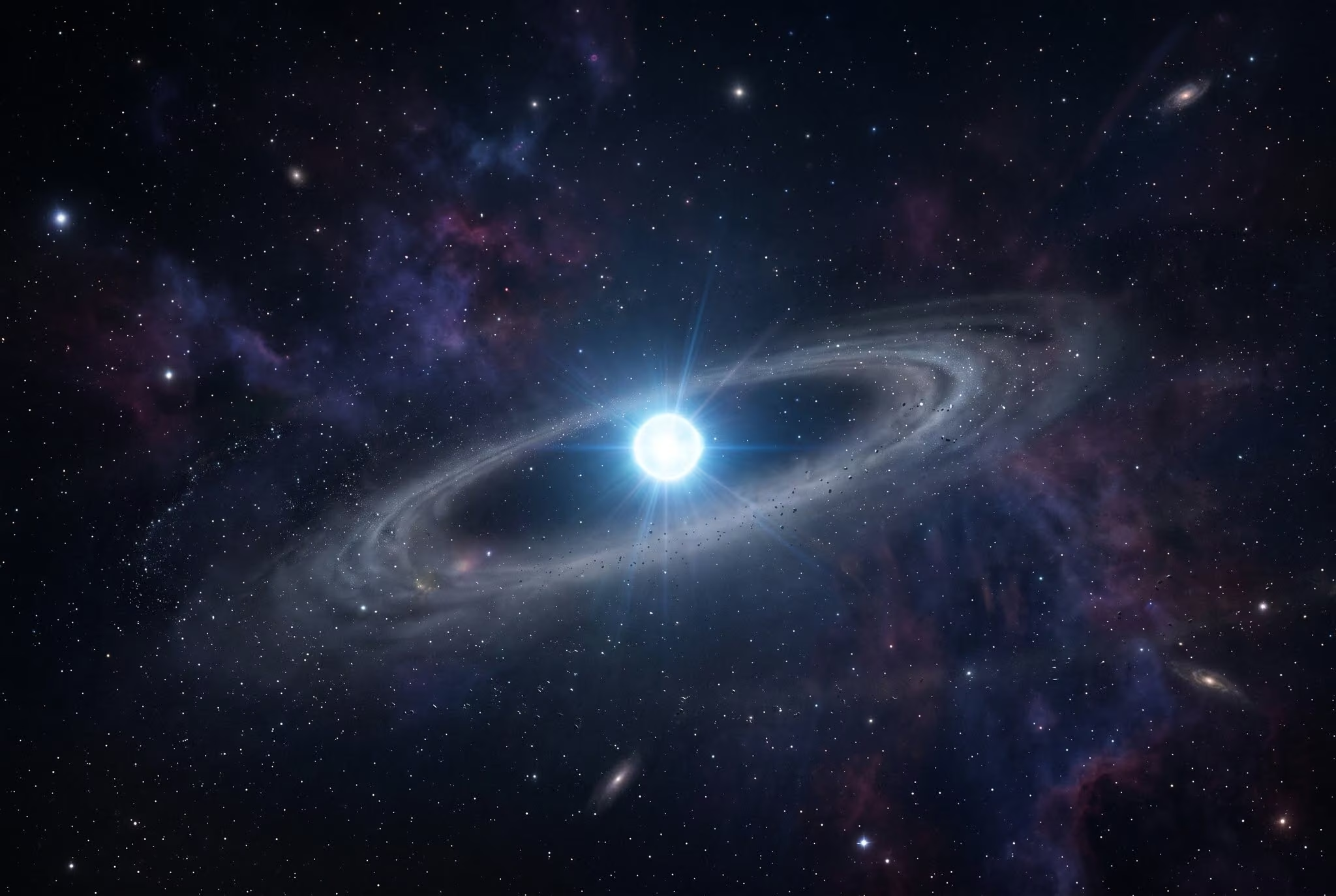
Vega was the first star ever photographed. Thirteen thousand years ago, it was the North Star.
Key Takeaways
A Vega starseed is someone whose soul is said to have lived near Vega, the brightest star in Lyra, before being born on Earth. Vegans are described as creative, empathic, and spiritually gifted. Their mission is to bring harmony to a world that often lacks it.
If you have always made art to make sense of life, this lineage may feel familiar. The star behind it has a history worth knowing too.
What Is a Vega Starseed?
A starseed is a soul believed to have come to Earth from another star system to help humanity grow. The starseed idea covers many lineages. This is one of the oldest in the lore.
Starseed teachers say Vega was an early home of advanced, peaceful civilizations. Its people are said to have blended wisdom, technology, and art. Souls from there carry that blend into human lives.
On Earth, Vegans tend to be makers. Many are healers too. They paint, write, compose, design, or counsel. Many feel that beauty itself is a kind of medicine.
Are Lyra and Vega the Same?
No, though they are closely linked. The Lyra constellation is small. Vega is the star that outshines the rest of it.
In starseed lore, the Lyran civilization is the ancestral group from which many other lineages descend. Lyran starseeds carry that ancient, pioneering energy. Vegans are often called a branch of the Lyran family that settled near this one star.
The two overlap. A person can feel both Lyran and Vegan. The difference teachers point to is tone. Lyrans lead with courage. Vegans lead with harmony.

Why Is Vega Special?
Vega is the fifth-brightest star in the night sky. It is about 25 light-years away, which is close by galactic standards. Its color is a clear blue-white.
Vega has an unusual list of firsts. On the night of July 16 to 17, 1850, astronomers at Harvard College Observatory photographed it in a 90-second exposure. That image was the first photograph of any star besides the Sun (Astronomy).
In 1983, Vega became the first star found to have a disk of dust around it. Later images from NASA’s Spitzer Space Telescope showed the disk was much larger than expected. The research team suggested it came from a large, fairly recent collision (The Astrophysical Journal).
A few more facts round out the picture.
What Does Vega Mean Spiritually?
The Vega star’s spiritual meaning grows out of its myths. Three stories stand behind it.
The lyre of Orpheus. In Greek myth, Lyra is the instrument of Orpheus, whose music could charm stones. Vega forms its handle. That story is the root of Vega’s link with music and art.
The weaver in the sky. In China and Japan, Vega is a celestial weaver. In Japan, she is Orihime. Altair is Hikoboshi, a cow herder she loves.
The Milky Way keeps the pair apart except for one night a year, on the seventh day of the seventh month. The Tanabata festival celebrates that meeting. People hang wishes written on paper strips (University of Wisconsin-Parkside).
The falling eagle. The name Vega comes from an Arabic phrase meaning “the falling” or “landing” eagle. It describes how early sky-watchers pictured the star and its neighbors.
Put together, Vega stands for creative gifts, love across distance, and guidance. Its role as a former North Star adds one more layer. Vegans are said to help others find their bearings.

What Are the Traits of a Vega Starseed?
These are the Vega starseed traits named most often. Several may fit you.
What Do Vega Starseeds Look Like?
In starseed lore, Vegans on their home world had blue skin. Teachers say that memory shows up on Earth in subtle ways.
Descriptions of Vega starseed appearance often mention dark coppery skin with raven hair. Large, expressive eyes come up most of all. People call them magnetic, a gaze that holds wisdom.
These are images from the lore, not requirements. A Vegan can be born into any body, family, or background. The presence matters more than the features.
What Are the Vega Starseed Markings?
Vega starseed markings fall into two groups in the lore. The first is physical. The second is astrological.
On the physical side, teachers point to the skin tones and eyes described above. Some people also look for birthmarks shaped like stars or small clusters. No single Vega birthmark is agreed on. Our guide to starseed birthmarks covers what each tradition claims.
Is There a Vega Starseed Birth Chart?
Some astrologers who work with starseeds look for patterns in the natal chart. For Vegans, they name three.
Treat these as reflection prompts, not proof. Many people with these placements feel no link to Vega. Many self-identified Vegans have none of them.
What Does Metatron’s Cube Have to Do With Vega?
Metatron’s Cube is a sacred geometry figure built from 13 equal circles joined by straight lines. Many traditions treat it like a map of creation. Practitioners say its lines hold the outlines of the five Platonic solids.
Starseed teachers connect this symbol to the lineage. Vegans are described as builders who see the patterns under things. Metatron’s Cube gives that instinct a visual form.
People use it in a few simple ways.
What Is the Vega Starseed Mission on Earth?
The Vega starseed soul mission is to raise humanity’s spirit through harmony. Teachers call Vegans harmonizers more than fighters. They change a place by changing how it feels.
That mission shows up in several ways.
Vegans also tend to gather. Starseed communities give them a sense of belonging. Those groups also offer mentorship and creative collaboration.
What Careers Suit Vegans?
Vegans do their best work where creativity meets care. A harsh, purely competitive workplace drains them fast. A setting with purpose lets their gifts show.
Whatever the field, the work tends to satisfy most when it makes something lasting.

How Are Vegans Connected to Sirius and Other Star People?
Vegans are said to have strong ties to Sirius. Teachers describe them as a bridge between the Lyran and Sirian worlds. Sirian starseeds bring structure, knowledge, and service. Vegans bring art plus emotional intelligence.
Vegans also share ground with other gentle lineages. Like Pleiadians, they lead with the heart. Arcturians, by contrast, lead with the mind.
With Pleiadians, the difference is the medium. A Pleiadian often heals through touch and presence. A Vegan more often heals through art. The full starseed family maps the other lineages.
What Is the Shadow Side of the Vega Lineage?
Every lineage has a shadow. For Vegans, it comes from the same places as their gifts.
Grounding practices help with all four. So does the simple habit of finishing small creative projects instead of waiting for a perfect one.
Is There Any Evidence That Souls Come From Vega?
No evidence confirms that any soul comes from this star. Psychologists who study starseed beliefs note that the identity often appeals to people who feel they do not fit in (The Conversation).
Read the Vega description as a mirror. If it helps you take your creative gifts seriously, it is doing useful work.
Subscribe to Create Higher Vibrations!
Get Inspiration and Practical advice straight to your inbox.
What Would You Write on a Strip of Paper Tonight?
On a clear evening in a Northern Hemisphere summer or early autumn, find the brightest point of the Summer Triangle. That is Vega. The light reaching your eyes left it about 25 years ago.
Then borrow the Tanabata custom. Take a strip of paper. Write one wish about your creative life. Make it small and real: a song to finish, a class to sign up for, a page to write each day.
Keep the strip somewhere you will see it. A lineage known for making beautiful things only exists in what you actually make. Start with that one wish.