
The Mind-Body Connection: What It Is and How to Strengthen It
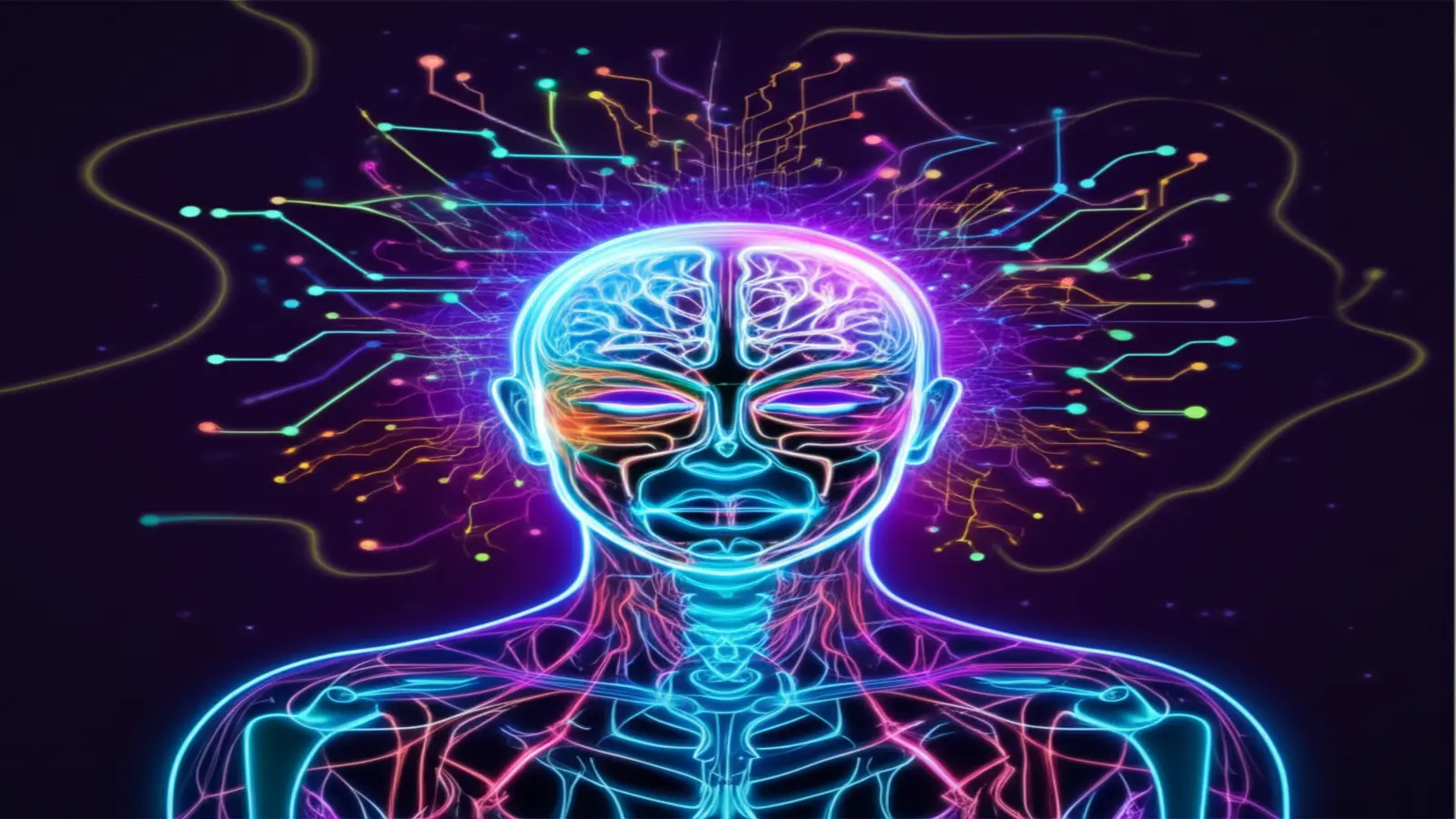
Your body has been keeping score of your thoughts for years. It is time you started reading the results.
Key Takeaways
The mind-body connection is the constant two-way communication between your thoughts, emotions and physical health. It is why anxiety can bring on a headache or an upset stomach, and why exercise, rest and slow breathing can change how you feel.
You have felt it all your life. Understanding how it works lets you use it on purpose, with a few daily practices that calm the body through the mind and the mind through the body.
What Is the Mind-Body Connection?
Your brain does more than think. It sends signals to every organ, and it listens to the signals coming back.
Stress shows it clearly. When something upsetting happens, the brain triggers the release of stress hormones such as cortisol and adrenaline, your heart speeds up, and your muscles tense.
The link runs the other way too. Exercise, sleep and even posture shape your mood, which is why a hard workout can clear a bad day. Mental and physical health are two sides of the same system, and caring for one tends to help the other.

How Does the Mind-Body Connection Work?
Three systems carry the messages between mind and body. The nervous system sends fast electrical signals, hormones carry slower chemical ones, and the immune system responds to both.
Brain research keeps finding the link built in. In 2023, a team at Washington University mapped a network inside the motor cortex, which they called the somato-cognitive action network. It connects body movement with planning, arousal and the control of internal organs (Gordon et al., 2023, Nature).
Under threat, the body runs through what researchers call the defense cascade. Arousal comes first, then fight or flight, then freezing, and in the most extreme cases a collapse into immobility (Kozlowska et al., 2015).
Animals usually return to normal once danger passes. Humans often stay locked in the same pattern long after, which is why old stress can still live in the body.
Where Does the Idea Come From?
The idea is ancient. Greek philosophers argued over how the soul relates to the body, and Eastern systems such as Ayurveda and traditional Chinese medicine treated health as a balance between the two. Yoga and meditation grew out of that view.
In the 1600s, René Descartes described the mind and body as two different substances that nonetheless interact, a view known as dualism (Internet Encyclopedia of Philosophy). The split shaped Western medicine for centuries.
Modern science began to close the gap. In 1975, Robert Ader and Nicholas Cohen showed that rats could be conditioned so that a taste alone suppressed their immune response (Ader and Cohen, 1975). Their work helped launch psychoneuroimmunology, the study of how the mind, nerves and immune system interact.

Subscribe to Create Higher Vibrations!
Get Inspiration and Practical advice straight to your inbox.
How Does a Strong Mind-Body Connection Help Your Health?
A strong connection means you notice what your body is telling you and respond sooner. That brings three practical gains.
Research also links mind-body practices to lower blood pressure, less chronic pain and better mood. The effects are usually modest, and they grow with regular practice.

How Can You Improve Your Mind-Body Connection?
Small daily habits work better than occasional big efforts. Choose one of these six and practice it for a week.
Sound can help too. Some people use binaural beats to settle into meditation.
What Is an Everyday Example of Mind and Body Working Together?
You see it every day. Before a big presentation, your palms sweat and your stomach churns, even though nothing physical has happened yet.
After a hard workout or a good cry, the opposite happens. Your body lets go, and your thoughts become lighter and clearer.

What Are Three Activities That Involve the Mind and Body Together?
Three practices stand out because they train attention and the body at the same time.
How Does Stress Affect the Mind and Body?
When your mind perceives a threat, the fight-or-flight response floods the body with stress hormones. That reaction is useful in short bursts and harmful when it never switches off.
Chronic stress is linked to high blood pressure, poor sleep, digestive trouble and a weaker immune response. Calming the body through breath and movement is often the quickest way to calm the mind, and building emotional resilience helps you recover faster each time.
How Does Integrative Medicine Use the Mind-Body Connection?
Integrative medicine combines conventional treatment with complementary therapies such as mindfulness, meditation, acupuncture and massage. The aim is to treat the whole person, including the stress and emotions that affect physical health.
Mind-body practices are increasingly offered alongside standard care for chronic pain, anxiety and stress-related illness. They support medical treatment and never replace it.

Where Should You Start?
Nobody taught most of us to listen to our bodies, and many of us learned to push through the signals instead. That isn’t your fault.
Choose one practice from the list above and do it for five minutes every day this week. Notice what your body tells you. More practices live in the somatic healing section.