
The 7 Chakras: Names, Order, Meaning, and How They Work Together

The text that gave the West its seven chakras is titled “Explanation of the Six Chakras.” The seventh was never counted.
Key Takeaways
The 7 chakras are the seven main energy centers that yogic tradition maps along the spine. They begin with the root at the base of the spine and end with the crown above it. Each one has a Sanskrit name, a location, and its own themes.
People use the chakras as a map for attention in meditation, yoga, and energy healing.
What follows covers each chakra in order, where the system really comes from, how the centers affect one another, and where to begin. Each section links to a full guide in our chakras category.
What Are the 7 Chakras in Order?
The standard order climbs the spine, one center at a time.
Those colors follow the rainbow, and they are a modern addition. All seven centers sit in what yogis call the subtle body, strung along a central channel called the sushumna.
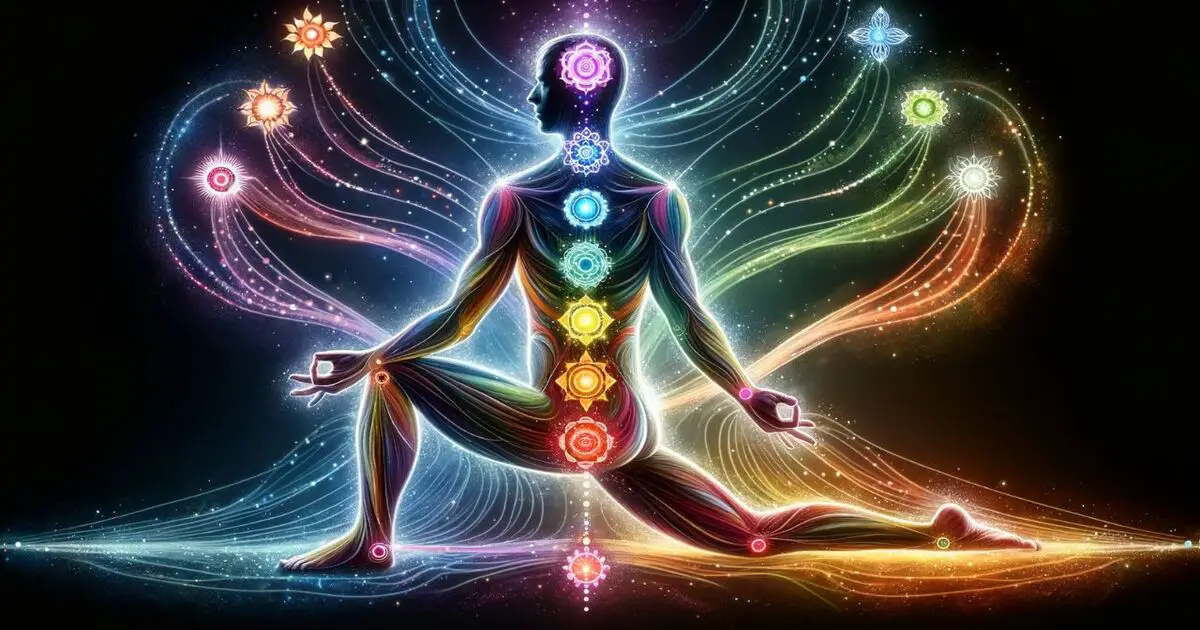
What Do the Lotus Petals and Seed Mantras Mean?
Traditional texts draw each chakra as a lotus. The number of petals changes at every level.
Chanting the seed sounds in order, root first, is one of the oldest chakra practices. It answers a common question about the seven mantras for the seven chakras.
The old texts used different colors, too. Sanskrit sources describe the Manipura lotus with dark petals like rain clouds. The throat lotus is white with smoky petals.
Where Does the Seven-Chakra System Come From?
The word chakra is Sanskrit for “wheel” or “circle.” Chakras as inner energy centers belong to Hindu and Buddhist tantra, the meditation traditions of medieval India.
Buddhist texts written around the 8th century describe only four chakras. Hindu texts gave many different numbers. Religion scholar Gavin Flood traces the familiar set of six chakras plus a crown center to the Kubjikamata-tantra, an 11th-century text.
In 1577, the yogi Purnananda wrote the Sat-chakra-nirupana, the “Explanation of the Six Chakras.” Sir John Woodroffe translated it in his 1919 book The Serpent Power. That book, published under the pen name Arthur Avalon, brought the system to the West.
The modern extras came later. In the 1920s, writers paired each chakra with a gland. Charles Leadbeater added the rainbow colors in his 1927 book The Chakras.
In Rainbow Body, a 2016 history of the Western system, Kurt Leland found something surprising. The colors and the lists of traits first appeared together only in 1977.
Are There More Than Seven Chakras?
Yes, depending on the tradition. Buddhist tantra usually teaches four or five. Some Hindu texts list many more. Tantric maps also describe smaller points in the hands and feet.
Seven became the standard because Woodroffe’s translation became the standard. The count is a convention, not a fixed law of the body.
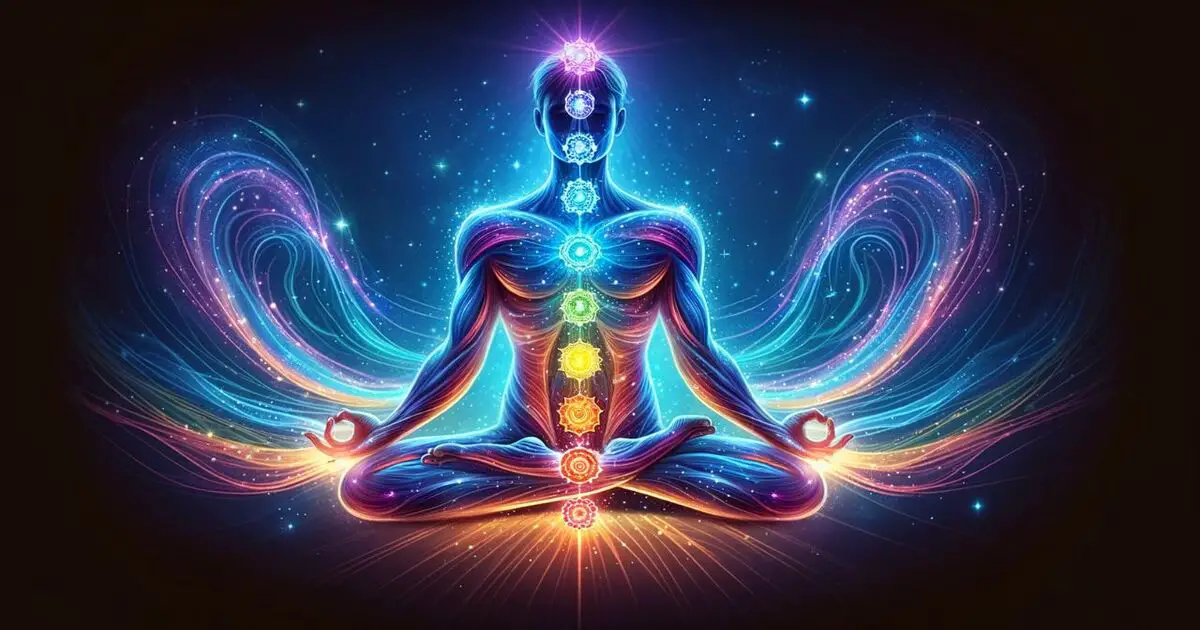
How Do the Seven Chakras Work Together?
It is easy to picture the chakras as seven separate light switches. You flip one on, clean it, or balance it alone. Then you move to the next.
In my work, the system behaves more like one connected column of water than a row of separate drawers. When one center tightens, the whole column adjusts around it.
Take a blocked throat. Working on the neck alone rarely helps. The solar plexus may lack the agency to say the true thing.
The root may lack the basic safety to risk saying it. Real alignment means restoring easy flow along the whole axis. It does not mean collecting seven “balanced” badges.
What Does an Unbalanced Chakra System Look Like?
The pattern I see most often is a top-heavy split. The upper pole runs hot. Ajna and Sahasrara are overworked, never resting. Underneath, the root is depleted. The sacral is shut down.
On the table, the signs are physical:
These people often understand their own history very well, from years of reading or talk therapy. The understanding stays in the head. Their felt connection to the body stops at the collarbone.
Many mistake that restless mental static for a high spiritual vibration. It is usually the opposite. The upper centers work hard because the lower ones hold nothing.
To check which centers are involved for you, use our guide to the signs of blocked chakras.
How Do You Balance the 7 Chakras?
I always start at the root, beginning with the feet. I do this even when someone arrives with racing thoughts, a tight throat, or a broken heart.
Starting at the head tends to pull more charge upward into a system already overloaded. Anchoring the lower body first gives trapped tension somewhere to go, like an exhaust pipe.
In a Reiki session, I work up the body, then come back down to seal.
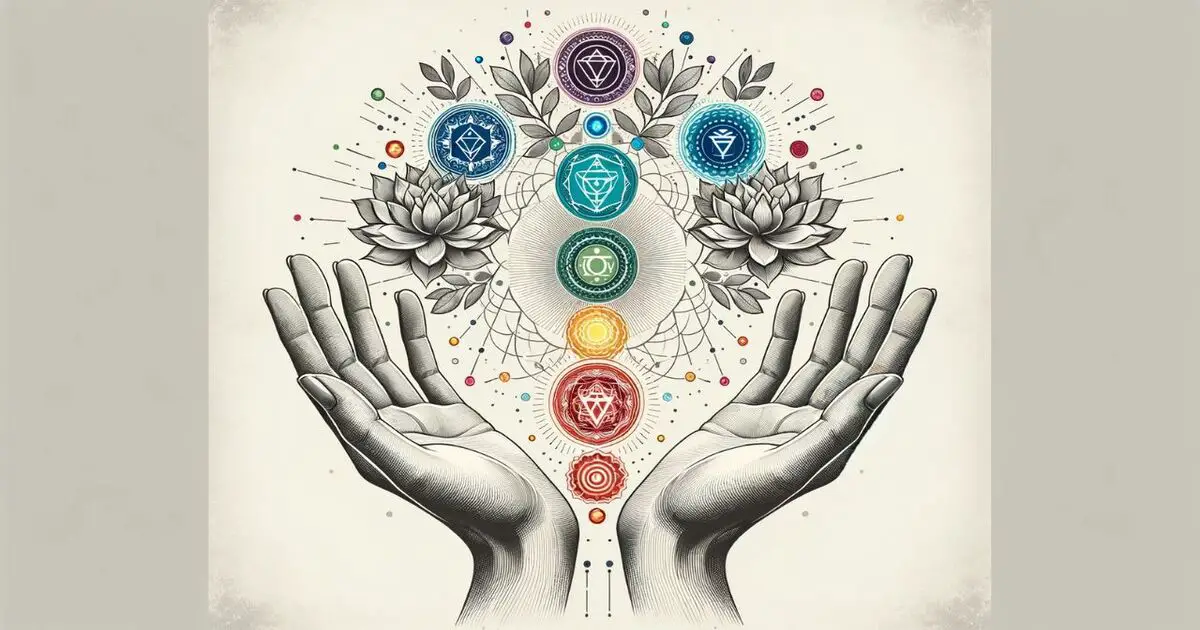
You can follow the same order on your own. Start with your attention in your feet. Move up slowly, using the seed sounds or plain breath.
Finish where you started, with your feet on the floor. Reiki itself works with what practitioners call universal life force. Many teachers of quantum Reiki scan the chakras in the same order during a session.
Yoga poses follow the same logic. Begin with grounding standing poses, like mountain pose or tree pose, before anything aimed at the head.
Avoid forcing energy up the column. Practices that push it fast carry real risks, covered in our guide to kundalini awakening.
Are the Chakras Real?
There is no scientific evidence that chakras exist as physical structures. Cleveland Clinic’s guide to the seven chakras says so plainly. It also notes that practices built around them may help people feel centered.
The tradition itself treats chakras as aids for meditation, maps for directing attention. Used that way, the system does not need to be anatomy to be useful.
Subscribe to Create Higher Vibrations!
Get Inspiration and Practical advice straight to your inbox.
What Happens When All Seven Chakras Are Open?
People often expect fireworks. On the table, an opening looks quieter, more physical.
The diaphragm lets go. Breath drops into the belly. Sleep comes back. A tension someone has carried for years finally loosens.
Then comes the last step of every session, back at the feet. If your feet feel heavy on the floor when you finish, the column is doing its job.

