
Heart Chakra Opening Symptoms: What You Feel in the Chest, the Back, and the Heart
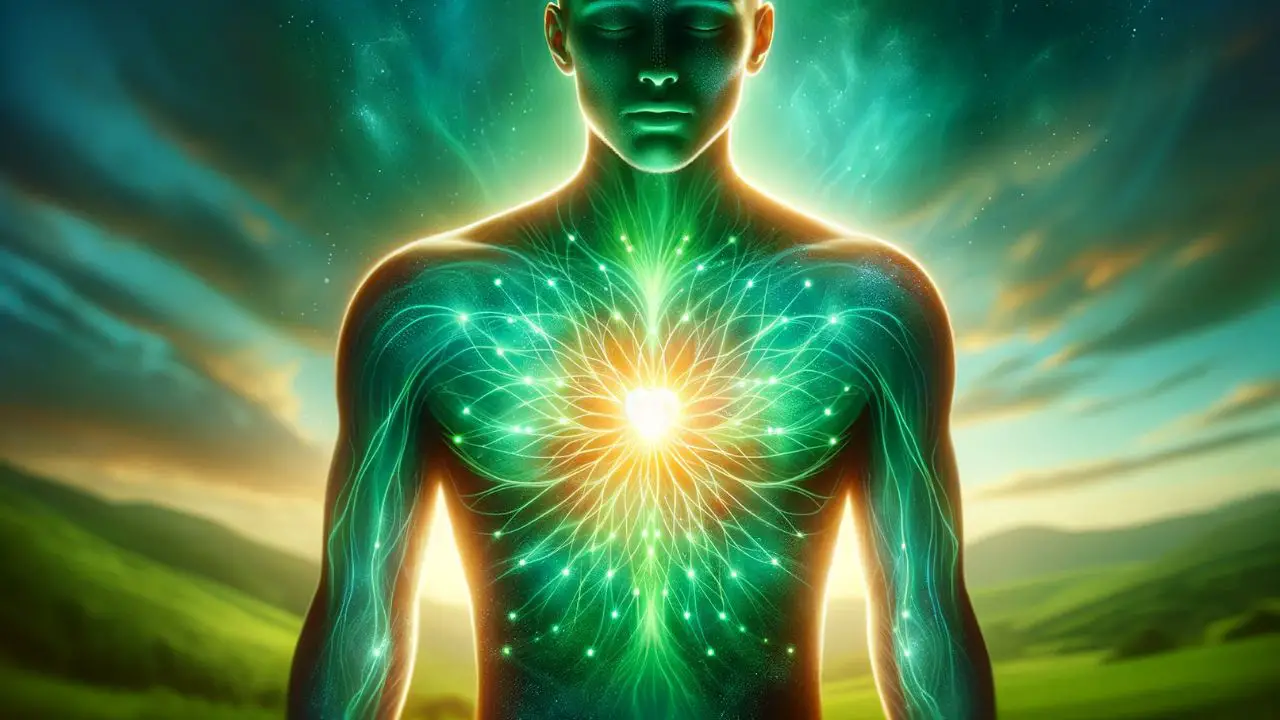
The old texts write regret, possessiveness, and hope on the twelve petals of the heart lotus, side by side.
Key Takeaways
Heart chakra opening symptoms are the physical and emotional shifts people report as Anahata, the fourth chakra at the center of the chest, begins to soften. The most common are warmth in the chest, a looser upper back, a deeper breath, and sudden tears without a clear reason.
The heart chakra sits in the middle of the seven, a bridge between the three lower chakras and the three upper chakras. What follows covers what an opening feels like, which chest symptoms need a doctor, what a blocked heart chakra looks like, and how to open it gently.
What Are the Physical Symptoms of a Heart Chakra Opening?
Working with the heart center takes patience. The chest carries strong muscular armor. If someone rushes in or presses down hard, the ribcage braces against it.
When the chest does begin to open, these are the changes I see on the table:

Some people also report a pulsing sensation in the chest, or mild tingling in the arms and hands. Those last two can overlap with heart problems, so read the next section before treating them as spiritual signs.
When Are Chest Symptoms a Medical Emergency?
A spiritual opening should never be the first explanation for chest symptoms. Cleveland Clinic lists chest discomfort, shortness of breath, nausea, and sweating as heart attack symptoms. It calls a heart attack a medical emergency.
For heart palpitations, Cleveland Clinic advises calling 911 right away in these cases:
Call emergency services first. Chakra work can wait. If palpitations come and go without those other symptoms, see your doctor to find the cause.
What Are the Emotional Signs of a Heart Chakra Opening?
When the heart center releases its armor, the emotional response rarely looks like neat, cinematic bliss. It looks more like long-held defenses lifting. These are the patterns I see most often:
Over the following days, many people notice more patience with others and an easier time forgiving. Some feel raw for a while as older grief surfaces.
Does a Heart Chakra Opening Hurt?
A heart chakra opening is usually more tender than painful. People describe an ache behind the heart, a sore feeling in the chest muscles, or emotional rawness.
That tenderness tends to ease within a day or two, much like muscles after a good stretch. Grief that surfaces can feel heavy, but it usually comes in waves and passes.
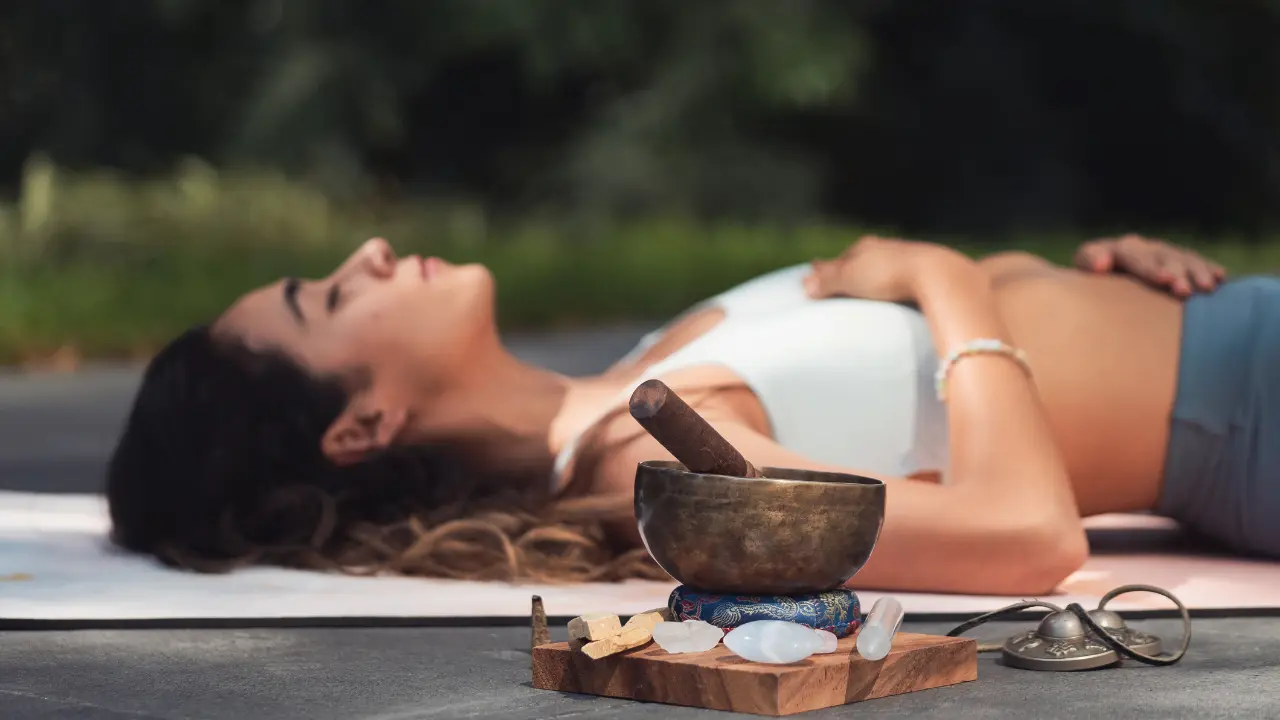
Sharp pain, pain that spreads to the arm or jaw, and pain with breathlessness are different. Treat those as medical symptoms first. If waves of grief feel too large to carry alone, a therapist or grief counselor can help.
How Long Do Heart Chakra Opening Symptoms Last?
The physical signs of a heart chakra opening usually pass quickly. Warmth and softening in the chest often fade within an hour of a session. Tenderness in the chest muscles may last a day or two.
The emotional shifts tend to come in waves. A burst of tears or relief may arrive, settle, then return a week later. Some people feel more open for days afterward.
Over months, the lasting change is quieter. Guarding takes longer to come back after a hard moment. The breath stays lower more of the time.
Is a Heart Chakra Opening the Same as a Kundalini Awakening?
A heart chakra opening and a kundalini awakening are different experiences, though people often confuse them.
A heart opening is local and gradual. The chest softens. Emotion moves. The rest of life carries on.
Kundalini awakening, in yoga tradition, describes energy rising through all the chakras from the base of the spine. Its reported effects are broader and can be intense. Our guide to kundalini awakening covers those signs and the risks of forcing them.
What Does a Blocked Heart Chakra Feel Like?
A blocked heart chakra tends to show up as guardedness. The pattern often mirrors the opening signs in reverse.
An overactive heart chakra looks different. People give until they are empty, lose themselves in others’ needs, and struggle with jealousy. The old texts place possessiveness on one of the heart lotus’s petals, which fits this pattern closely.
If you can’t tell which center is involved, our guide to identifying blocked chakras walks through a simple check.

How Do You Open the Heart Chakra Safely?
The heart chakra responds to softness. Force tends to make the chest brace harder.
Yoga tradition adds one more path. It teaches that Anahata is purified by bhakti, the practice of devotion, whether to a deity, a teacher, or life itself.
How Does Reiki Work With the Heart Chakra?
In a Reiki session, I usually hover my hands two to three inches above the sternum. Heavy contact on the chest can feel intrusive, so the person’s personal space stays unthreatened.
To cover the whole heart center, I often slide one flat hand gently beneath the upper spine, between the shoulder blades. The other hand hovers over the center of the chest. That way, the back of the heart is held as well as the front.
Reiki practitioners describe this work as moving universal life force. At the heart, the most important quality is patience.
What Is the Heart Chakra?
The heart chakra is Anahata, the fourth of the 7 chakras. It sits at the center of the chest. The solar plexus chakra lies below it, and the throat chakra lies above.
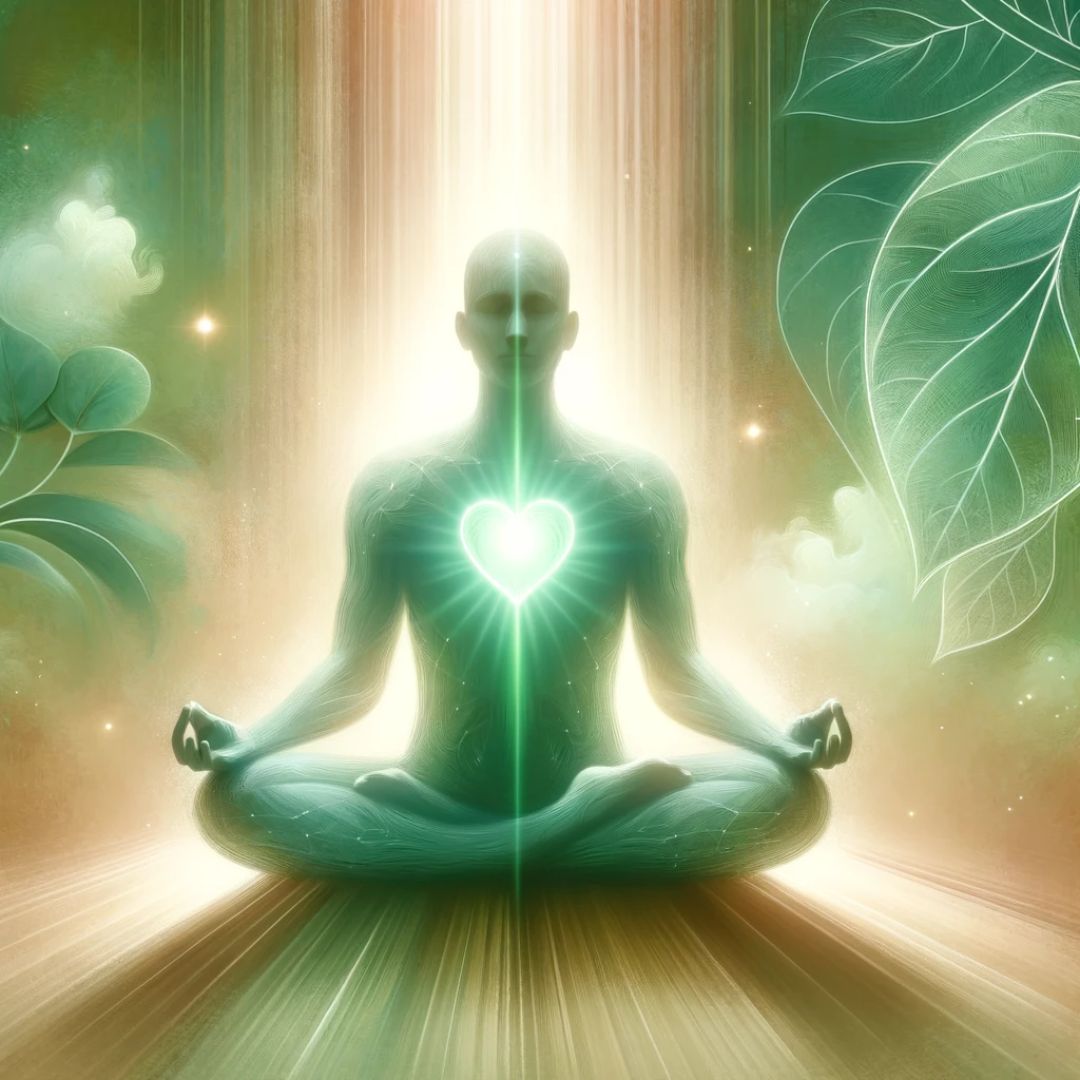
The twelve petals each carry a state of mind in the tantric texts. The list includes hope, anxiety, effort, possessiveness, arrogance, discernment, languor, ego, greed, hypocrisy, indecision, and regret. The heart center holds the whole tangle of human feeling, not only love.
The Upanishads describe the heart as holding a tiny flame. There is no scientific evidence that chakras exist as physical structures. Cleveland Clinic’s guide to the seven chakras says so plainly. The images remain useful as maps for attention.
What Is the Hrit Chakra?
Just below Anahata, some tantric texts describe a smaller center called the Hrit chakra, from hridaya, “heart.” It has eight petals.
Inside it are three nested regions: a vermilion sun, a white moon, and a deep-red fire. At the center grows the kalpavriksha, the wish-fulfilling tree. It symbolizes the power to bring what you wish into the world.
Meditators sometimes picture the Hrit chakra as an inner garden beneath the heart. It is a quieter, more private space than the heart lotus above it.
Where Does the Heart Center Appear in Other Traditions?
The heart is a central meeting point in more than one tradition.
Different maps, same intuition. The center of the chest is where people across cultures have felt the deepest part of themselves.
Subscribe to Create Higher Vibrations!
Get Inspiration and Practical advice straight to your inbox.
Where Are Your Shoulders Sitting Right Now?
The simplest heart practice takes about thirty seconds. Notice where your shoulders are. Most people find them lifted toward the ears.
Let them drop. Then take three slow breaths into the back of your ribs, feeling them widen against your hands.
Notice whether your breastbone softens, even slightly. That small release is the heart chakra opening in the most ordinary way there is.

