
Dark Masculine Energy: Meaning, Traits, and How to Integrate It
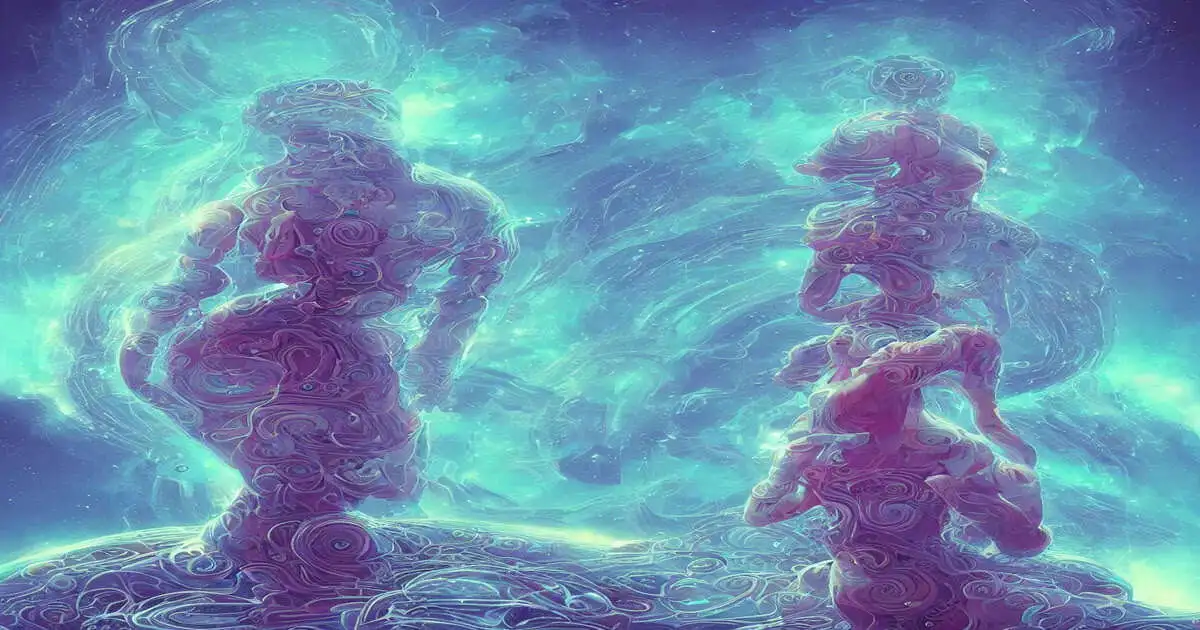
The part of you that you were taught to hide may be the part that holds your spine.
Key Takeaways
Dark masculine energy is the instinctive, untamed side of masculine energy, the part that asserts, protects, sets hard limits, and moves toward conflict instead of away from it. Everyone carries masculine energy regardless of gender, and its dark side is the part most people learn to hide because it can look dangerous.
Hidden, that energy tends to leak out as anger, control, or collapse. Owned, it becomes steadiness and courage. The meaning, traits, the difference from toxic masculinity, and the work of integration all follow from that one distinction.
What Is Dark Masculine Energy?
In spiritual language, masculine energy is the energy of direction, structure, action, and protection, and feminine energy is the energy of receptivity, flow, and connection.
Both live in every person, which is why a woman can have strong masculine energy and a man can have strong feminine energy.
Masculine energy has two faces. Light masculine energy is the side everyone approves of: calm leadership, reliability, provision, and care. Dark masculine energy is the rawer side, made of intensity, primal drive, a readiness to fight for what matters, and the ability to say no without apologizing.
The word “dark” trips people up. In this context, it does not mean evil. It means the parts that live in the dark, the instincts and emotions that were never welcomed into the light, and so were pushed out of sight.
Put simply, the dark masculine meaning comes down to this. It is the energy that makes a man, or anyone, dangerous enough to be trusted. A person who could not say no, could not get angry, and could not stand firm would have nothing to offer as protection.
Where Does the Idea of the Dark Masculine Come From?
The phrase “dark masculine” is modern, but the ideas beneath it come from depth psychology.
Swiss psychiatrist Carl Jung described the shadow as the unconscious part of the personality that does not fit a person’s ideal image of themselves. The ego resists the shadow and projects it onto others, so what we deny in ourselves we tend to see, and condemn, in other people (Wikipedia: Shadow (psychology)).
Jung did not treat the shadow as purely negative. Its contents can include strengths a person was never allowed to use, and bringing it into awareness, which he called assimilation, makes the personality stronger and wider.
Jungian analyst Robert Moore and mythologist Douglas Gillette applied this to men in King, Warrior, Magician, Lover (1990). They described four archetypes of mature masculinity, and for each one, two shadow forms, an active pole of too much and a passive pole of too little (Wikipedia: Robert L. Moore).
The King’s shadow poles are the Tyrant and the Weakling. For the Warrior, they are the Sadist and the Masochist. The Magician’s are the Detached Manipulator and the Denying “Innocent” One, and the Lover’s are the Addicted Lover and the Impotent Lover.
That structure is the key to the whole idea. The dark masculine is not the Tyrant or the Sadist. It is the raw power those shadows distort, and the work is to own that power consciously instead of being owned by it.
What Are the Traits of Dark Masculine Energy?
When dark masculine energy is integrated, the dark masculine traits below tend to show up.
Each trait has a distorted version. Assertiveness can become aggression, and independence can harden into isolation. Protectiveness, left unchecked, turns into control. The difference lies in whether the energy is conscious.
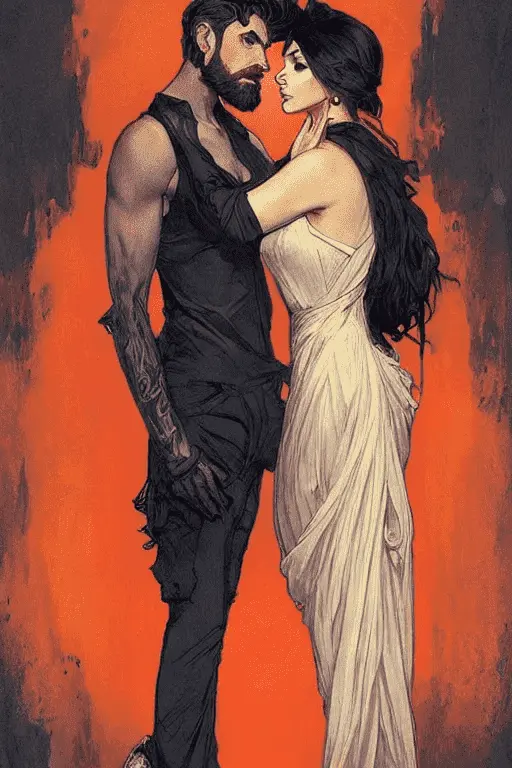
What Is the Difference Between Dark and Light Masculine Energy?
Light masculine energy is guided by logic, structure, and care. It creates safety, stability and direction, and it is the side most people picture when they think of a good father, leader or partner.
Dark masculine energy is connected to instinct, mystery, and raw inner force. It is the side that goes into the unknown, breaks what no longer works, and stands between the people it loves and whatever threatens them.
Neither is complete alone. Light masculine energy without the dark side becomes the “nice guy” who is agreeable, reliable, and quietly resentful, because he never says what he wants. Take away the light side, and the dark masculine becomes force without wisdom.
Put together, they make what spiritual teachers call the divine masculine, strength that serves and care with a spine. The article on the benefits of healthy masculinity looks at the same balance from a practical angle.
Subscribe to Create Higher Vibrations!
Get Inspiration and Practical advice straight to your inbox.
Is Dark Masculine Energy the Same as Toxic Masculinity?
No. Dark masculinity and toxic masculinity are different things, and the history of the term makes that clear.
“Toxic masculinity” first came from the mythopoetic men’s movement of the 1980s and 1990s, the same movement in which Moore and Gillette’s archetypes found their audience.
Writers such as Shepherd Bliss used it to describe the pressure on men to be violent, competitive and unfeeling, in contrast to a deeper masculinity they believed men had lost (Wikipedia: Toxic masculinity).
Terry Kupers of the Wright Institute later defined it as traits that “serve to foster domination, the devaluation of women, homophobia and wanton violence.”
The American Psychological Association has linked rigid “traditional masculinity ideology” with poorer mental and physical health, while also naming courage, leadership, and protectiveness as positive masculine traits.
Read against Moore and Gillette’s map, toxic masculinity looks like the shadow poles in action: the Tyrant who dominates and the Sadist who punishes. Integrated dark masculine energy is the opposite.
It has the same power, held with awareness and pointed at protection rather than domination.
That is the whole difference. Toxic masculinity is the dark masculine unowned.
What Is the Dark King Archetype?
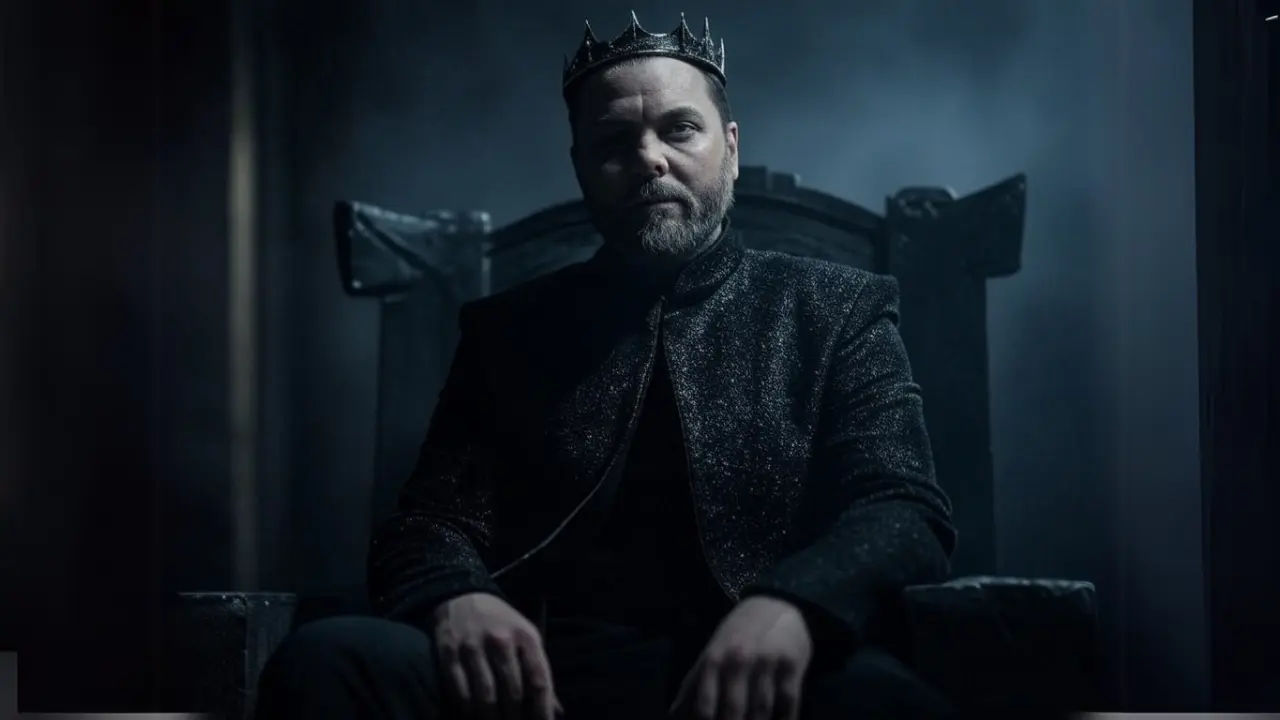
In Moore and Gillette’s model, the King is the center of mature masculinity: the energy that brings order, blesses others, and holds a clear sense of purpose. The “Dark King” of popular spiritual language describes a King who has faced his own shadow instead of denying it.
He knows his capacity for anger, ambition, and cruelty, and because he knows it, he is not ruled by it. He stays steady in chaos, makes hard decisions without panic, and earns respect by living his values rather than demanding obedience.
The Stoic emperor Marcus Aurelius is a common historical example. His Meditations, a private notebook never meant for publication, records a ruler with near-total power working daily to master his own temper, pride, and impatience.
The Tyrant is what the Dark King becomes when he stops doing that work. Living as a Dark King means staying honest about the Tyrant inside you, which keeps him in check.
How Do You Integrate Dark Masculine Energy?
Integration means bringing the dark side into awareness and giving it a healthy job. It happens through practice, not insight alone.
Progress shows up as steadiness. You react less, decide faster, and people around you feel safer, not more nervous. A strong presence is often the first outward sign.
What Makes Embracing the Dark Masculine Hard?
The path is uncomfortable, and it is meant to be. Facing the dark masculine means facing beliefs, fears, and memories you have avoided for years.
Many people resist because they fear what they will find. If you grew up around a man whose anger hurt people, owning your own anger can feel like becoming him. The truth runs the other way: the anger you deny is the anger most likely to leak out sideways.
Others fear judgment. Friends, partners, or family may be unsettled when you start saying no or taking up more space. Some of that pushback is worth listening to, and some of it is simply the discomfort of people used to the old version of you.
Community helps. Workshops, men’s groups, retreats or even one trusted friend on the same path can give you a place to talk about what comes up without shame.
How Does the Dark Feminine Balance the Dark Masculine?
The dark feminine is the untamed side of feminine energy, expressed as intuition, sensuality, emotional depth, and the power to transform through endings. It complements the dark masculine the way receptivity complements direction.
In relationships and within one person, the two need each other. Cut off from the dark feminine, the dark masculine can turn rigid and numb. And the dark feminine, lacking its masculine partner, may have no structure to act on what it knows.
The Hermetic law of gender describes this pairing as a principle running through all of creation, and the guide to divine feminine energy explores the feminine side in more depth.
What Does Integrated Dark Masculine Energy Look Like?
It looks quieter than most people expect. An integrated man rarely raises his voice, because he no longer needs volume to be taken seriously.
He can sit with his own anger without handing it to anyone else. He can say no at the dinner table as easily as in a meeting, and he can be gentle without it being mistaken for weakness, because everyone around him can tell the gentleness is a choice.
That is the paradox of the dark masculine. The more fully you own your force capacity, the less you ever need to use it.
If you want one place to begin, take a page and write down the three traits you judge most harshly in other men. Then ask where each one lives in you.
The answers will be uncomfortable, and they are the raw material for every practice in the energy healing section and beyond.

