
How Narcissistic Abuse Can Change You (And How To Make Those Changes Work For Your Healing)

Narcissistic abuse can change you by lowering self-esteem, training your nervous system to expect danger, reshaping your identity and relationships, and, for many, opening a painful yet powerful doorway into spiritual awakening and a more authentic self.
Do you ever look at your reactions now and think, “I was not like this before”? You might feel jumpier, more guarded, less trusting, or strangely numb.
These shifts are not random flaws, and they are not proof that the narcissist “won.” They are your mind, body, and spirit adapting to survive.
This article walks you through the main ways narcissistic abuse can change you and explains those changes through both trauma science and spiritual awakening.
You will see why you feel different, how your nervous system and soul have been affected, and what it really looks like to grow on the other side.
- Narcissistic abuse alters your brain wiring and self-esteem. Your body adopts these changes to survive the environment. You categorize these shifts as trauma adaptations instead of personal failures.
- You learn about complex PTSD and trauma bonds to stop self-blame. Science explains why your nervous system remains in a state of dysregulation.
- You combine trauma-informed therapy with spiritual exercises to heal your consciousness. This process reconnects you with your higher self.
- Your experience builds the foundation for firm boundaries and clear intuition. You live a life aligned with your authentic values.
What are the main ways narcissistic abuse can change you?
Narcissistic abuse can change you psychologically, physically, and spiritually by lowering self-worth, dysregulating your nervous system, reshaping your identity, and altering how you trust, attach, and relate to yourself, others, and life itself.
Many survivors notice emotional changes first. You might feel more anxious, depressed, on edge, or emotionally flat, even in situations that used to feel safe. Your inner voice may have shifted from kind to harsh, replaying the narcissist’s criticism until it sounds like your own.
Relationally, you may find it harder to trust people or to trust yourself around people. Some survivors cling to anyone who offers attention, while others keep everyone at arm’s length. It can feel as if your radar for “safe” and “unsafe” has been scrambled.
Physically, long-term narcissistic abuse can keep your body in survival mode. Chronic stress hormones affect sleep, appetite, digestion, pain levels, and immunity, which is why headaches, gut problems, and exhaustion are so common after emotional abuse.
Spiritually, narcissistic abuse can shatter old beliefs about love, family, religion, or the universe. That collapse can feel devastating, yet it often marks the beginning of a deeper, more authentic spiritual path.
These changes can feel frightening, but seeing them as trauma responses, not character defects, is the first step toward healing and reclaiming who you really are.
Understanding the big picture makes it easier to explore each specific area that’s been affected.
How does narcissistic abuse affect your self-esteem and sense of self?
Narcissistic abuse erodes self-esteem and self-trust through constant criticism, gaslighting, and devaluation, which leads you to doubt your worth, question your reality, and lose touch with who you truly are.
Narcissistic partners or parents rarely attack all at once. They chip away slowly. Repeated put-downs, backhanded compliments, and comparisons condition you to believe you are always “too much” or “not enough.” Over time, your inner narrative begins to echo their voice.

Gaslighting and blame-shifting deepen the damage. When your concerns are dismissed as “too sensitive” or “crazy,” you learn to mistrust your own memory and perception. You may start asking others for constant reassurance because your internal compass feels broken.
Key insight: Narcissistic abuse commonly leads to low self-esteem, self-doubt, and identity confusion through repeated criticism, gaslighting, and emotional invalidation.
Clinically, these patterns line up with complex PTSD features such as a persistent negative self-concept and deep shame after chronic relational trauma. The problem is not that you lack strength. The problem is that strong survival strategies have been turned against you.
On a spiritual level, this erosion of self can feel like a loss of connection to intuition or higher self.
Many survivors say they stopped listening to inner nudges because the narcissist mocked or punished any independent thought. Later, learning to hear that inner guidance again becomes part of their awakening.
Simple practices can begin to rebuild your sense of self. Gentle journaling, values clarification, and parts work (such as Internal Family Systems) help you distinguish between the “internalized narcissist” and the true self beneath.
Affirmations grounded in reality, not fantasy, reinforce this new narrative.
As you slowly replace the narcissist’s voice with a kinder, more truthful one, you start to feel like a person again, not just a reflection of someone else’s needs.
What does narcissistic abuse do to your brain and nervous system?
Chronic narcissistic abuse keeps your nervous system in survival mode, dysregulating stress hormones and rewiring brain circuits so you become hypervigilant, emotionally flooded, exhausted, and slow to return to a sense of safety.
Interpersonal neurobiology shows that relationships literally sculpt the brain. When a partner or parent repeatedly punishes, withholds, or rages, your brain learns that connection equals danger.
Circuits involved in threat detection and emotional regulation adapt to this hostile environment.
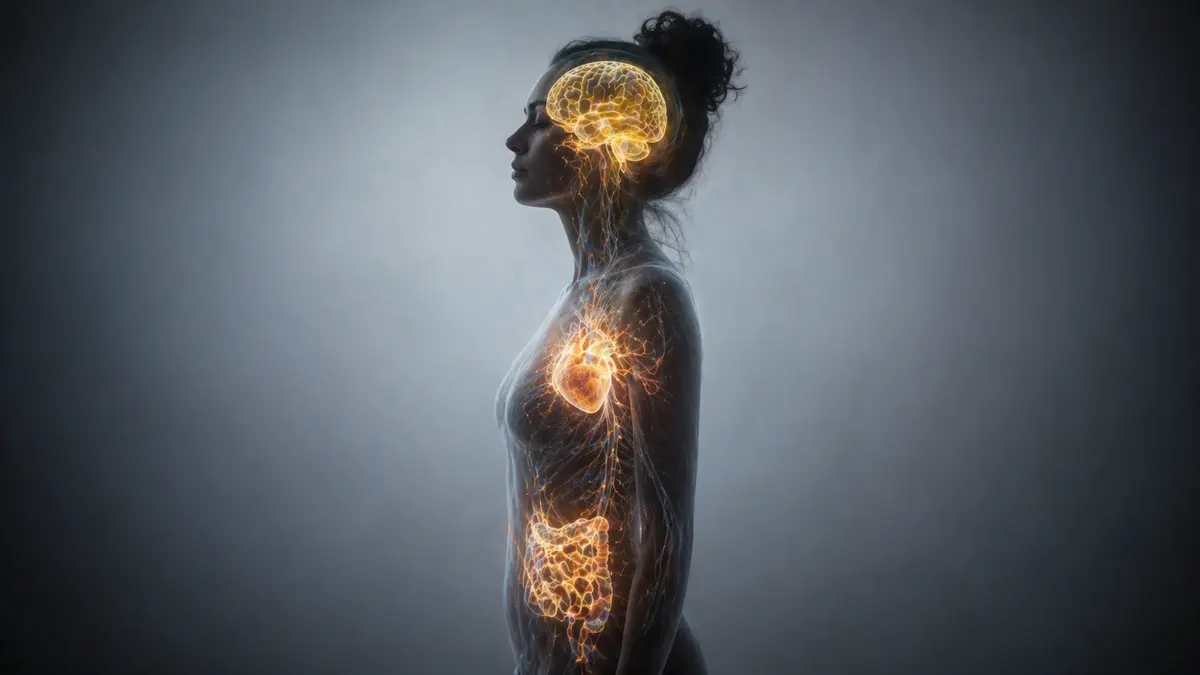
The stress response system, often called the HPA axis, can become overactive. Prolonged cortisol exposure is linked to changes in the hippocampus, which affects memory, and in the amygdala, which governs fear and alarm. This helps explain why you may feel jumpy, forgetful, and foggy after narcissistic abuse.
Key insight: Chronic emotional abuse can dysregulate the HPA axis, shrink the hippocampus, and sensitize the amygdala, keeping survivors stuck in survival mode.
Trauma bonds add another layer. Intermittent cycles of charm, love bombing, and cruelty create a neurochemical loop where dopamine, oxytocin, and stress hormones become tied to the abuser. Leaving the relationship can feel like withdrawal, not simple heartbreak.
Physically, this dysregulation can look like chronic anxiety, insomnia, startle responses, or shutdown and numbness when overwhelmed. Spiritually, it can feel as if you are “out of your body” or unable to fully inhabit the present moment.
The hopeful side is neuroplasticity. The same brain that adapted to danger can, with repeated safe experiences, supportive relationships, and somatic regulation practices, form new pathways that make safety, presence, and calm more familiar.
Learning what your brain and body have been doing to keep you alive turns self-blame into self-respect and sets the stage for nervous system healing.
Can narcissistic abuse lead to anxiety, depression, or C-PTSD?
Yes, narcissistic abuse can contribute to anxiety, depression, and complex PTSD, because long-term emotional and relational trauma overwhelms coping systems and changes how you feel, think, and relate to others.
After leaving a narcissistic relationship, many people report panic, chronic worry, intrusive thoughts, and a constant sense that something terrible is about to happen. This hypervigilance makes sense when your nervous system has spent months or years trying to predict the next outburst.
Depression can follow the collapse of that survival mode. When there is finally distance from the abuser, the body often drops from high activation into exhaustion, numbness, and hopelessness. Grief for the time lost and the self you used to be can feel heavy.
Key insight: Long-term narcissistic abuse increases risk for anxiety, depression, and complex PTSD because continuous relational threat overwhelms the nervous system.
Complex PTSD describes the impact of repeated trauma, especially in relationships, on emotions, self-image, and connection to others. Symptoms can include emotional swings, persistent shame, feeling permanently damaged, and difficulty building safe relationships.
Recognizing that these patterns are trauma responses, not proof that “you are the problem,” helps you seek the right kind of support. Therapeutic approaches that understand C-PTSD, combined with spiritual practices that restore meaning and hope, are especially helpful.
Naming what is happening in clinical terms and spiritual language can transform fear into a clearer, kinder understanding of your healing path.
How can narcissistic abuse change your attachment style and relationships?
Narcissistic abuse can shift your attachment patterns, making you clingy and anxious, avoidant and shut down, or alternating between both, which then shapes how you approach future relationships.
Attachment theory describes how early and ongoing relationships teach the nervous system what to expect from closeness. Secure attachment grows when caregivers or partners are mostly consistent, responsive, and safe. Narcissistic dynamics erode this sense of safety.

If you develop anxious attachment, you might become hyperaware of distance or conflict, overanalyze messages, and fear abandonment. If you lean avoidant, you may shut down quickly, feel smothered, or resist relying on anyone. Some survivors develop disorganized attachment, swinging between craving closeness and fearing it.
Key insight: Narcissistic abuse can shift secure attachment into anxious, avoidant, or disorganized patterns, making later relationships feel unsafe or confusing.
Betrayal trauma and betrayal blindness add complexity. When the person who harms you is also someone you depend on for love, money, or stability, your mind may minimize or distort the abuse to preserve the relationship. This is a survival strategy, not stupidity.
Spiritually, some survivors frame these relationships as “soul contracts” or intense karmic lessons that reveal unhealed wounds and invite deeper self-worth. That perspective can be helpful when it empowers you to choose differently, not when it keeps you tied to harm.
Rebuilding healthier attachment involves both inner and outer work. Practicing clear boundaries, pacing intimacy, listening to body cues of safety and danger, and choosing partners who show consistent care all help retrain your system toward secure relating.
Each safer relationship becomes proof to your nervous system that not all closeness equals pain and that you deserve connections where you can stay yourself fully.
How does narcissistic abuse affect your body and health?
Narcissistic abuse can show up in your body as chronic pain, sleep problems, digestive issues, fatigue, and frequent illness because long-term emotional stress weakens your immune system and keeps your physiology stuck in fight, flight, or freeze.
Many survivors report headaches, jaw and neck tension, back pain, irritable bowel symptoms, and migraines that flare during or after the relationship. Sleep may become light and restless, or you may struggle with insomnia as the body stays on alert.
Key insight: Survivors often report headaches, muscle tension, sleep problems, and digestive issues linked to stress and immune changes after narcissistic abuse.
Polyvagal-informed thinking and other body-based models suggest that chronic social threat disrupts vagus nerve functioning and keeps the nervous system oscillating between hyperarousal and shutdown. This can influence heart rate, digestion, inflammation, and pain sensitivity.
Some resources use the phrase “brain damage” to describe these effects. Current trauma science points more toward functional and sometimes structural changes from chronic stress rather than permanent, irreversible injury in every case. Clarity and nuance matter here.
On a spiritual level, the body can be seen as a map of unprocessed emotion and energy. Tight chests, clenched jaws, or heavy stomachs often match places where fear, grief, and anger have never had safe expression.
Subscribe to Create Higher Vibrations!
Get Inspiration and Practical advice straight to your inbox.
Gentle somatic practices such as breathwork, yoga, tremoring, grounding exercises, and restorative rest can help your body learn that the danger has passed. These tools do not replace medical care but can sit alongside it as part of a holistic healing plan.
As your body slowly feels safer, your health symptoms can become valuable feedback rather than mysterious enemies.
In what ways can narcissistic abuse change your beliefs, values, and spirituality?
Narcissistic abuse often shatters previous beliefs about love, safety, and worth, which can lead either to deep disillusionment or to a profound spiritual reevaluation and awakening.
When someone who claimed to love you lies, cheats, smears, or abandons you, your old framework for understanding relationships can collapse. This collapse may extend to beliefs about family, religion, community, or even a higher power.
Key insight: Many survivors describe narcissistic abuse as a catalyst for spiritual awakening that changes their values, intuition, and sense of purpose.

Some people move away from institutions or belief systems that minimize their pain. Others deepen their spiritual life but in a more grounded, less idealized way, valuing embodiment and boundaries as much as compassion.
Intuition often becomes stronger. Once the fog lifts, survivors describe noticing red flags faster, sensing energetic dynamics more clearly, and feeling guided toward people and spaces that resonate with their truth.
Spiritual concepts like karmic lessons or soul contracts can be useful when they validate your growth and remind you that you are not to blame for someone else’s choices. The healthiest spiritual framing honors both the trauma and the transformation.
Practices such as meditation, prayer, time in nature, energy healing, or conscious breathwork can help reconnect you with a higher self while your nervous system slowly learns to feel safe again.
Over time, the belief that “pain is all I deserve” can shift into a lived understanding that your soul is worthy of gentleness, truth, and reciprocity.
Why might you feel like a different person after narcissistic abuse?
You may feel like a different person after narcissistic abuse because your brain, nervous system, beliefs, and self-image have adapted to survive, leaving you with new fears, sensitivities, and priorities that do not match your old self.
The self is not a fixed object. It is a living process shaped by experience. When those experiences include chronic emotional harm, the parts of you that were open, trusting, or carefree may have stepped back to protect you.

Preferences and tolerances also change. You might have less patience for drama, loud environments, or certain jokes. You may prefer solitude over company you once tolerated, because your system is learning to feel safe again.
Key insight: Complex PTSD research shows chronic relational trauma can alter brain networks involved in self-perception, explaining why survivors feel like strangers to themselves.
Neuroscience suggests that chronic trauma can reorganize the brain’s default mode network, which is involved in self-narrative and introspection. This can create a sense that the story you tell about “who I am” no longer fits.
Spiritually, this often looks like a form of ego death or dark night of the soul. The old identity, built partly on pleasing others and ignoring intuition, breaks down so a more aligned self can emerge.
Meeting this “new” self with curiosity instead of judgment is key. Reflective questions like “What do I value now?” or “What feels like truth in my body?” help you rebuild an identity that honors what you have survived and who you are becoming.
As your brain, body, and energy adjust to safer conditions, you can integrate the wisdom gained without staying stuck in the fear that created it.
Can anything good come from how narcissistic abuse changed you?
Yes, while the harm is real, many survivors eventually discover that the changes forced by narcissistic abuse lead to stronger boundaries, deeper self-compassion, sharper intuition, and a more spiritually aligned, authentic life.
It is important not to rush here. Looking for “silver linings” too early can feel invalidating. The first step is always acknowledging the full impact of what happened and honoring grief, anger, and loss.

Over time, post-traumatic growth research and lived experience show that some people emerge with greater empathy, purpose, and clarity about what they will and will not accept. They become less willing to abandon themselves for approval.
Hypervigilance can gradually transform into discernment. Instead of scanning every room for danger, your nervous system learns to notice subtle cues of safety and alignment.
People-pleasing can evolve into conscious, heart-aligned generosity that does not require self-betrayal.
Key insight: Effective recovery often involves both neurobiological approaches, such as somatic therapy, and spiritual practices like meditation or energy work.
The concept of raising your vibration fits here when it means living in greater truth, self-respect, and presence, not bypassing pain. Your energy becomes less available for chaos and more available for what nourishes you.
Key insight: Neuroplasticity means that, even after narcissistic abuse, the brain and nervous system can form healthier pathways with consistent, safe experiences over time.
Healing does not erase what happened, but it can transform the way those experiences live inside you, turning survival adaptations into the foundation for a more conscious, loving life.
Conclusion
Narcissistic abuse can change how you think, feel, relate, and believe, but those changes are evidence of a system that worked hard to keep you alive, not proof that you are broken.
With trauma-informed support, somatic and nervous system work, and spiritually grounded practices, your brain, body, and spirit can gradually relearn safety and trust.
As you keep healing, you may feel called toward resources on healing from narcissistic abuse, energy healing techniques after narcissistic abuse, or conscious relationships that match your new level of self-respect.