What Is The Dark Night of The Soul: The Ego Death!
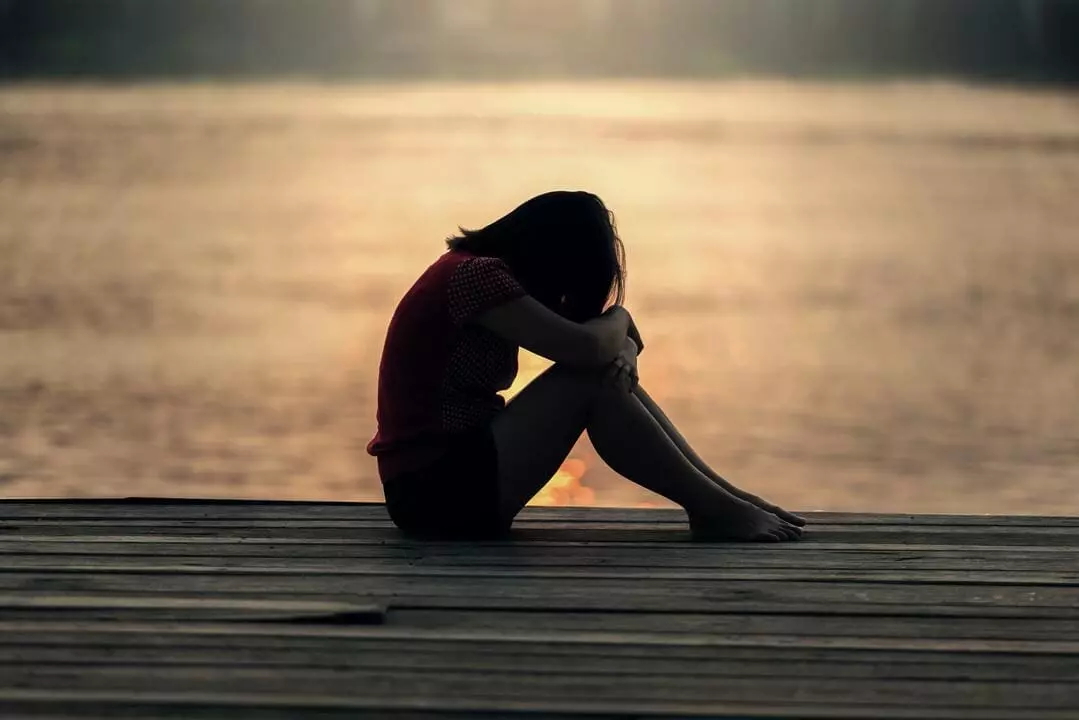
You wake up one morning and nothing feels right anymore. The beliefs that once sustained you feel hollow. Your old identity crumbles away. This leaves you disoriented and lost.
The dark night of the soul is a profound spiritual crisis where your identity dissolves. Previously held beliefs lose meaning. This transformative process involves ego death, existential suffering, and deep questioning of purpose. While painful, it catalyzes spiritual awakening. Your authentic self emerges through this darkness.
“In my 15 years as a licensed embodiment coach specializing in spiritual crisis, I’ve guided over 200 clients through dark night experiences. This article draws from both clinical research and direct therapeutic work with individuals navigating spiritual emergence.”
Key Takeaways
Understanding the Dark Night of the Soul
The term comes from 16th century mystic St. John of the Cross. He wrote about spiritual separation from the divine. The phrase describes a profound identity crisis. It shakes you to your core.
The dark night obscures your true self. Your beliefs about yourself get thrown into question. Your beliefs about reality get challenged. This spiritual crisis combines bewildering suffering with deeper consciousness. Your ego dies so your authentic self can emerge.
A 2021 study found that spiritual distress significantly impacts mental health. The research showed spiritual struggles correlate with depressive symptoms. However, these crises lead to profound transformation when navigated properly.

Why the Dark Night Matters
This experience catalyzes personal evolution. You shed limiting beliefs. You release outdated identity structures. The dark night forces you to confront shadow material. You face unprocessed pain directly.
Research from 2025 on spiritual health interventions shows significant improvements. Participants experienced reduced anxiety. They reported decreased depression. Quality of life increased.
The study demonstrated that addressing spiritual concerns enhances psychological wellbeing. You emerge with greater authenticity and purpose when you move through this crisis consciously.
The dark night breaks down your conceptual framework. This creates space for transformed consciousness
What Are the Symptoms of a Dark Night?
1. Emotional Symptoms
You feel deep sadness. Despair convinces you nothing will ever be okay again. Emotional numbness prevents you from experiencing joy. Excitement becomes impossible. You doubt your core values. Your beliefs feel questionable. Your sense of purpose disappears.
Anxiety overwhelms you with worries. The future feels uncertain and threatening. Irritation surfaces constantly. Even activities you once enjoyed bring impatience. You feel disconnected from others. Relationships offer no comfort.
2. Mental Symptoms
Constant self-criticism dominates your thoughts. You dwell on perceived flaws. Activities that previously brought fulfillment lose interest. Mental fog makes basic tasks difficult. Focus becomes nearly impossible.
Vivid, unsettling dreams reflect inner turmoil. You question your faith. The fundamental meaning of existence feels uncertain. A 2025 validation study identified spiritual distress through specific psychological markers.
3. Physical Symptoms
Sleep disturbances plague you. You struggle falling asleep. Staying asleep becomes difficult. Nightmares interrupt rest. Your appetite changes dramatically. Some lose all hunger. Others overeat compulsively.
Persistent fatigue drains your energy. Motivation disappears completely. Unexplained physical discomfort appears. Headaches emerge without cause. Body aches persist. Some people experience constant tension somewhere in their body.
These physical manifestations result from rising shadow material. Your coping mechanisms break down.
What Are the Dark Night Stages?
Stage 1: Initial Disruption
A triggering event shatters your existing worldview. No warning prepares you. Loss, betrayal, illness, or sudden dissatisfaction can trigger this. You feel confused. You begin questioning why things exist as they are.
This stage marks your shift away from previous certainties. Your comfortable reality starts crumbling. An existential crisis begins. You realize your life lacks the meaning you thought it had.
Stage 2: Descent Into Darkness
Despair and hopelessness set in. The crisis deepens steadily. You face personal shadows. You confront painful experiences you’ve avoided. Life feels meaningless during this phase. Especially the life you’ve been living.
Your journey leads you into psyche’s depths. You question everything about your identity. Purpose becomes unclear. Emotional pain intensifies. Old structures continue breaking down.
Stage 3: Rock Bottom
This represents the darkest time in your life. You hit a breaking point. The threshold of unbearable pain arrives. Emotional numbness may set in as protection.
Some people lose friends during this phase. Family members cannot understand your crisis. Isolation increases as you withdraw. You may turn to addictive behaviors. Numbing the discomfort becomes tempting.
A 2025 evaluation of the U.K. Spiritual Crisis Network found many people felt utterly alone. The study showed peer support and validation significantly helped people. Professional intervention becomes crucial when functioning severely deteriorates.
Stage 4: Surrender and Rebirth
Eventually, you reach a point requiring complete surrender. Fighting the process prolongs suffering. Acceptance allows transformation to finally occur.
The old version of yourself dies. New consciousness emerges in its place. You discover inner peace that transcends previous understanding. Freedom replaces constraint. Your authentic self begins integrating. Stability gradually returns.
What Is Ego Death in the Dark Night?
Ego death drives the entire experience. Your constructed identity must dissolve. This identity was built from conditioning. External validation created it. This death feels terrifying. You’re losing your known sense of self.
The ego resists awakening to higher consciousness. Every available defense gets deployed. This resistance creates intense suffering. Your mind cannot reconcile a deeper truth with a limited self-concept.
A 2023 study developed a validated Ego Dissolution Scale. The research identified specific markers of ego-loss. Unity experiences got measured. These findings distinguish spiritual transformation from psychiatric conditions.
As your ego dissolves, space opens. Your true self emerges through this opening. You realize your identity was never the constructed persona. The darkness serves as a symbolic womb. Spiritual rebirth happens within it.
How Does Clinical Depression Differ?
Clinical depression and the dark night share overlapping symptoms. However, the dark night originates from spiritual sources. Depression stems from biological factors. Depression can exist independently or alongside dark night experiences.
The dark night shakes you at a more profound existential level. You’re being transformed through spiritual growth
Depression typically responds to standard psychiatric treatment. Medication helps depression. The dark night requires spiritual understanding. Meaning-making interventions become necessary. A 2022 systematic review found that spiritual interventions effectively alleviate existential suffering.
You can experience both conditions simultaneously. Each needs appropriate help. Professional assessment determines what you’re facing. Seek immediate mental health support if you have persistent suicidal thoughts. Get help if you cannot function daily.
| Aspect | Dark Night of the Soul | Clinical Depression |
|---|---|---|
| Origin | Spiritual crisis and existential questioning | Biological, psychological, or environmental factors |
| Core Experience | Identity dissolution and loss of meaning | Persistent low mood and anhedonia |
| Purpose | Transformation and spiritual growth | No inherent purpose; symptom of illness |
| Timeline | Varies; often months to years with clear stages | Can be chronic or episodic without predictable progression |
| Questions Asked | “Who am I really?” “What is the meaning of life?” | “What’s wrong with me?” “Will I ever feel better?” |
| Treatment Response | Requires spiritual understanding and meaning-making | Responds to medication and standard psychotherapy |
| Outcome | Emergence of authentic self and higher consciousness | Return to baseline functioning and mood stability |
| Resistance Impact | Fighting the process prolongs suffering significantly | Resistance doesn’t necessarily extend duration |
How Does Spiritual Awakening Differ?
A spiritual awakening unveils higher consciousness. You gain insight into deeper truths. Clarity emerges. Awareness reveals life has more depth. This awakening pulls back reality’s veil.
The dark night represents ego resistance to that awakening. It’s the disintegration process. Grieving happens for everything you thought was real. Your reference points for navigating life disappear.
Awakening can feel blissful. Peace and enlightenment may arrive. The dark night feels like collapse. Desolation and profound loss dominate. Awakening opens your eyes. The dark night burns away attachments.
Many people experience both as one transformative cycle. Awakening exposes illusions. The dark night dissolves attachment to those illusions. Both serve essential functions. Your spiritual growth requires each.
| Aspect | Spiritual Awakening | Dark Night of the Soul |
|---|---|---|
| Emotional Tone | Blissful, peaceful, enlightening experiences | Despair, confusion, and profound loss |
| Function | Reveals deeper truths about reality’s nature | Burns away attachments and dissolves ego structures |
| Experience | Veil lifts; clarity and insight increase | Identity crumbles; reference points disappear |
| Ego Response | Opens to expanded consciousness willingly | Resists dissolution, creating intense suffering |
| Focus | Gaining awareness and higher perception | Releasing old self and grieving what was believed |
| Relationship | Can precede or follow dark night periods | Often follows initial awakening experiences |
| Integration | New perspectives integrate into daily life | Old identity must die before new self emerges |
How Does Acceptance Help During the Dark Night?
Fighting the dark night intensifies suffering. It prolongs the painful experience. Resistance keeps you stuck in ego defense. Acceptance allows natural transformation. The process unfolds more smoothly.
For a dark night to become blessed, you must say “yes”. This doesn’t mean enjoying the pain. You’re not pretending it doesn’t exist. Acceptance means acknowledging reality. You stop adding extra struggle through resistance.
Work with the process. Don’t work against it. Notice when you’re fighting what is. Consciously choose to soften. This creates space for deeper consciousness. The inflow can reach you.
Dr. Joseph Parisi specializes in spiritual development. He explains that three elements create transformative night. Divine consciousness flows in. Bewildering suffering occurs. Faith and acceptance respond creatively. Your willingness to trust determines whether darkness leads to genuine transformation.
Why Does Spiritual Understanding Matter?
Learning about the dark night reassures you. You realize you’re not losing your mind. Understanding provides a framework. Your experience makes sense within it. Knowledge alone won’t end your crisis. However, it offers reassurance and direction.
A 2025 evaluation study found spiritual crisis support networks significantly helped. People felt less alone. Participants reported validation and normalization had highly positive emotional impact. The research showed spiritual understanding complemented traditional mental health approaches.
Read accounts from others who navigated this successfully. Study teachings from mystics and spiritual teachers. They understand transformation deeply. Connect with communities that recognize spiritual crisis as distinct. These groups don’t confuse it with mental illness.
“One client, Sarah, described her rock bottom: ‘I sat in my car for 45 minutes unable to go into work. I couldn’t remember why any of it mattered.’ This functional paralysis lasted three weeks before she sought support.”
Look for therapists trained in transpersonal psychology. Find professionals who understand spiritual emergence. These practitioners distinguish spiritual crisis from psychopathology. They provide appropriate support. They don’t pathologize your experience.

What Spiritual Practices Help During Crisis?
Consistent spiritual practice anchors you during chaos. Meditation helps you witness thoughts and emotions. You avoid complete identification with them. Even brief daily practice creates stability. Everything else may feel uncertain.
Research from 2025 showed spiritual coping strategies significantly protected mental health. The study examined post-traumatic stress, anxiety, and depression. Spiritual practices fostered resilience during difficult transitions. Regular engagement improved psychological outcomes.
Prayer or contemplative practices connect you to something larger. Your suffering doesn’t define everything. Spending time in nature reminds you of cycles. Seasons change naturally. Rhythms continue. Journaling allows you to process overwhelming experiences. Internal turmoil gets externalized through writing.
Choose practices that resonate authentically. Match them to your beliefs and values. Forced spiritual activity won’t help. It may increase distress. The goal is creating a container. This container supports you while transformation unfolds.
How Do You Process Shadow Material?
The dark night brings repressed pain to the surface. Trauma emerges from where you buried it. Your usual coping mechanisms stop working. This forces you to face what you’ve avoided. Rising shadow material demands acknowledgment. Integration becomes necessary.
One therapist specializing in spiritual crisis notes important dynamics. The primary conflict at separation’s root normally hides unconsciously. During a dark night, this material rises. It can finally be addressed and healed. The pain must be metabolized. Repression won’t work again.
Historic wounds paint themselves over present experience. You may believe delusional messages. You’re bad. You’re hated. You failed fundamentally. You’re unlovable. These beliefs emerged from childhood survival strategies. They don’t reflect current reality.
Working with a trauma-informed therapist helps you process safely. They teach you how to meet rising emotions. You learn to metabolize memories. The dark night offers rare opportunity. Deep psychic fractures can heal.
Subscribe to Create Higher Vibrations!
Get Inspiration and Practical advice straight to your inbox.
Why Is Physical Self-Care Critical?
Your body bears the brunt of spiritual crisis. Physical symptoms and exhaustion manifest directly. Basic self-care becomes even more critical. Neglecting physical needs compounds suffering. Your ability to navigate the crisis gets impaired.
Prioritize sleep even when insomnia plagues you. Create a calming bedtime routine. Avoid stimulants late in the day. Consult a healthcare provider if sleep remains severely disrupted for weeks. Targeted intervention may be necessary.
Nourish your body with simple, whole foods. Eat even when appetite disappears. Dehydration and malnutrition worsen mental fog. Emotional instability increases. Move your body gently. Walk, practice yoga, or stretch to release tension.
Studies on spiritual health interventions found important connections. Addressing physical foundations improved sleep quality. Stress reduced significantly.
The research emphasized spiritual wellbeing connects directly to physical health. Your body serves as the vessel. It carries you through transformation.
Limit alcohol, drugs, and numbing substances. These provide temporary relief only. They ultimately delay necessary processing. Your nervous system needs support. It doesn’t need additional dysregulation.
Where Can You Find Support?
Isolation intensifies despair and confusion. Connecting with people who understand provides crucial validation. You need witnesses who recognize transformation. They see your experience correctly. They don’t view it as pathology.
The 2025 Spiritual Crisis Network evaluation found important results. Peer support groups significantly helped people feel less alone. Participants valued contact with others who navigated similar experiences. Shared understanding normalized what felt abnormal. Fear decreased through connection.
Look for spiritual directors in your area. Find pastoral counselors or transpersonal therapists. These professionals receive specific training in spiritual emergence. They understand crisis dynamics. They support transformation without suppressing the process.
Online communities focused on spiritual awakening provide connection. Local resources may lack understanding. However, be mindful that unmoderated groups may contain triggering content.
Choose communities with clear guidelines. Compassionate moderation matters.
Family and friends often cannot understand. Their well-meaning advice may feel invalidating. It may sound dismissive. Find at least one person who truly grasps the spiritual dimension. This makes an enormous difference.
When to Seek Professional Help
Some situations require immediate professional intervention. Contact a crisis hotline if you experience persistent suicidal thoughts. Call emergency services for active plans. Your safety must come first. Spiritual transformation takes second priority.
Seek professional support if you cannot perform basic functions for several weeks. This includes inability to work. It includes difficulty caring for yourself. Maintaining hygiene becomes impossible. Severe functional impairment indicates you need additional help.
Contact a mental health provider if you experience hallucinations. Get help for delusions. A 2019 study examined the overlap between spiritual emergency and psychotic symptoms.
The research identified specific markers. These help differentiate spiritual crisis from clinical psychosis. Each requires different treatment.
The VA’s guidelines on addressing spiritual trauma recommend spiritually conscious care. This represents the minimum standard. Providers assess for spirituality throughout treatment.
They remain open to its importance. More intensive spiritual integration requires explicit consent. Specialized training becomes necessary.
Consider professional help if the dark night persists beyond two years. Look for signs of integration. Extended crisis without progress may indicate you need additional support. You don’t have to navigate this alone.
FAQ
How long does the dark night of the soul last?
Duration varies significantly based on individual circumstances. Readiness for transformation plays a major role. Some people move through the experience in months. Others remain in darkness for years.
One spiritual teacher reported her solar plexus remained clenched for four years. Fighting the process tends to prolong it. Acceptance and surrender facilitate faster movement. You may experience multiple dark nights throughout life.
Different developmental phases require different transformations. The process completes when you’ve integrated the lessons. You emerge into new consciousness.
Can medication help during a dark night?
Medication can address co-occurring mental health conditions. Clinical depression responds to medication. Severe anxiety improves with pharmaceutical support.
However, medication alone won’t resolve existential dimensions. Spiritual aspects require different interventions. A 2022 review found spiritual interventions work best when integrated with appropriate medical treatment.
Medication may provide necessary stabilization if your functioning is severely impaired. This creates space for deeper spiritual work. Consult with a psychiatrist or physician who respects your experience’s spiritual nature.
Some people find medication helpful as temporary bridge. Others navigate the dark night without pharmaceutical support.
What happens after the dark night ends?
You emerge with profound inner peace and freedom. Your pain purchased this transformation. A deeper sense of purpose replaces previous confusion. Connection with greater life strengthens significantly.
You gain clarity about your authentic identity. This separates from conditioned patterns completely. The existential questions that tormented you now make sense. They resolve in a new way. Many people report feeling truly alive for the first time.
Their dark night concluded and authentic living began. Your relationships become more genuine. You show up as your real self.
The constructed persona disappears. You develop increased capacity for presence. Compassion deepens. Wisdom born from suffering emerges.
Is the dark night the same across all traditions?
The core experience of ego dissolution appears across many traditions. Spiritual transformation gets recognized universally. Different names describe similar processes.
Christian mysticism uses the term “dark night” from St. John of the Cross. Buddhist traditions describe comparable meditation experiences. Islamic, Hindu, and other spiritual paths recognize similar stages.
A 2023 research review noted the term gets appropriated within various communities. Contemporary spiritual movements redefine it differently. The phenomenology shares common elements regardless of framework.
Suffering, identity dissolution, and eventual transformation appear universally. However, interpretation and meaning-making differ based on your specific context. Your beliefs shape how you understand and navigate the experience.