Rhythmic Health: How Ancient Healing Systems Are Shaping Modern Wellness
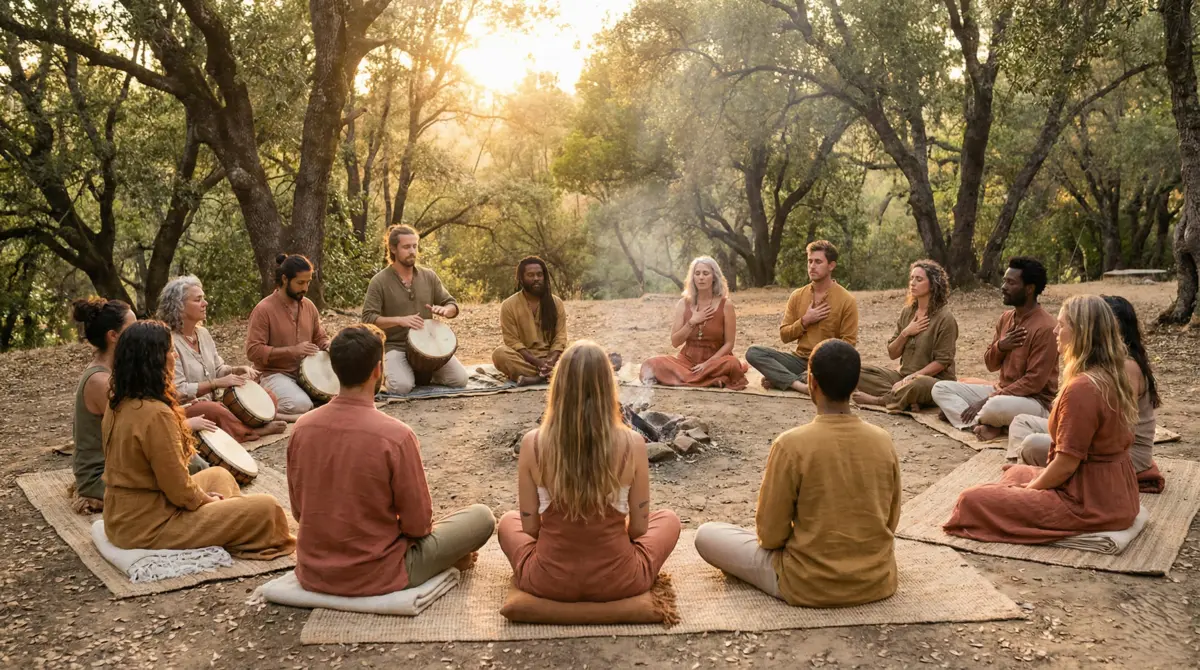
Rhythmic Health is the practice of aligning biological cycles with physical movement. This approach merges traditional healing rituals with modern sports science. You synchronize your bodily systems to strengthen coordination and mental toughness.
The foundation of these methods rests on long-standing cultural knowledge of human physiology.
The World Health Organization reports 80 percent of people in developing nations use traditional healers for primary healthcare. Fitness studios and therapy centers globally now adopt these ancestral practices.
Medical professionals see better results when they combine ancient techniques with modern biomechanics. This shift proves that ritualized movement works in clinical and athletic settings.
Primary components of Rhythmic Health include:
People use these techniques in various settings. A physical therapist uses drumming to help stroke survivors walk. A coach uses polyrhythmic breathing to boost oxygen use during hard workouts.
Trainers use rhythmic vibrations to ease tension in muscle tissue. These examples show how rhythmic health links cultural history to modern health results.
- Rhythmic health aligns your body and emotions with natural cycles. Traditional healing systems practiced this approach for centuries.
- About 80% of people in developing nations rely on traditional healers. Mainstream medicine and wellness studios now follow their lead.
- Daily tools like rhythmic breathing and timed movement support your nervous system to build lasting change.
- Self-mastery requires understanding your emotional and energy patterns. Choose steady rhythmic practices over quick fixes.
1. What Rhythmic Health Really Means In Today’s Mainstream Wellness
Rhythmic health is your capacity to live in sync with the cycles that already shape you, from your heartbeat and breath to emotional waves and life seasons.
As traditional healing practices gain visibility, we see rhythmic health becoming the common language that links ancient wisdom and modern science.
When these rhythms are ignored, we see burnout, chronic stress, and emotional disconnection.
When we learn to work with them, we experience more stability, clarity, and self‑trust.
How Traditional Healing Systems Framed Rhythm
Many indigenous and traditional systems viewed the body as an instrument that must be tuned to the larger song of life.
Rituals, drumming, dance, chanting, fasting, and breathwork were all tools to restore lost rhythm and coherence.
The Mind–Body Connection: Science Catching Up With Ancient Rhythm
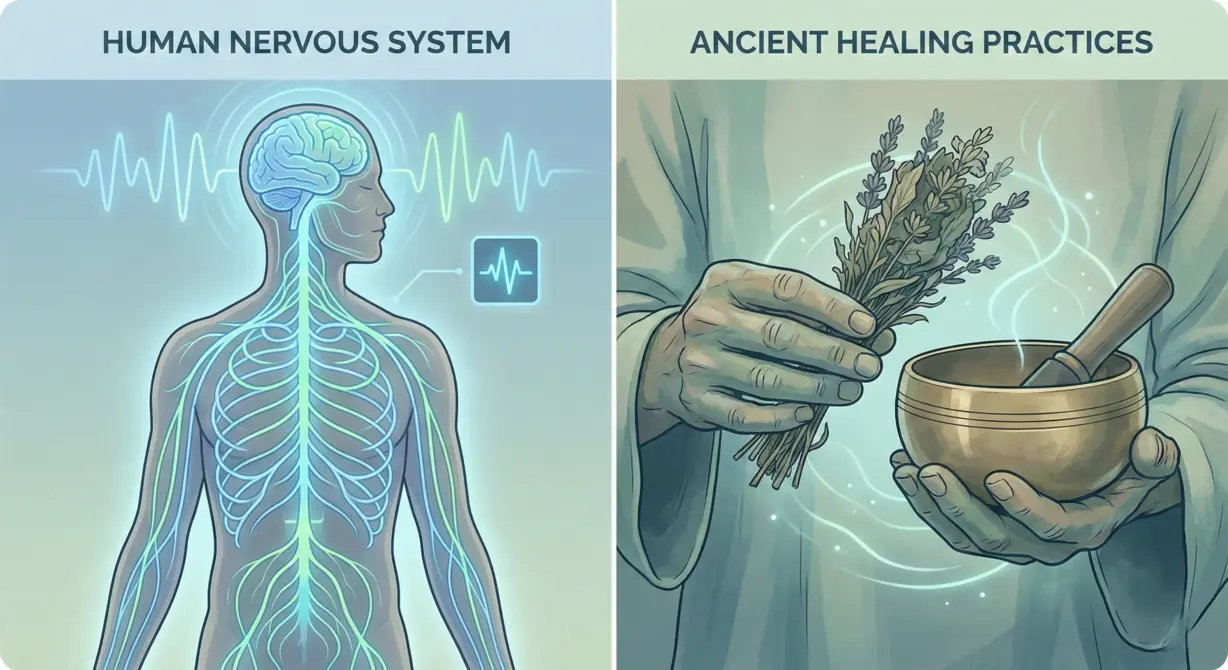
Our work with the mind–body connection is really about helping you see how every thought, belief, and feeling lands in your nervous system and tissues.
Traditional medicine has always treated the mind and body as one system, and research is now reinforcing that position.
Why Rhythm Matters In The Mind–Body Connection
Your nervous system is rhythmic by nature, shifting between activation and rest all day long.
When these shifts are respected, your body can process stress, recover, and return to balance more easily.
Our perspective is simple.
If you want sustained healing, you need sustained rhythm, not occasional intensity.
From Ancient Philosophies To Everyday Practice
Ancient philosophies saw illness as a disruption of flow, not just a physical malfunction.
By reintroducing rhythmic practices into modern routines, we bring that understanding into daily life in a grounded and practical way.

The Universal Law of Rhythm: A Bridge Between Spiritual Law And Daily Life
The Universal Law of Rhythm teaches that everything moves in cycles, from economic markets and relationships to your own moods and energy levels.
We view this law as a practical map that helps you stop fighting change and start working with it consciously.
How The Law Of Rhythm Shows Up In Your Healing Journey
In any deep healing or self‑mastery process, there are natural highs and lows.
Instead of seeing dips as failure, we invite you to recognize them as part of an intelligent cycle that carries hidden information.
When you know a low is temporary, you are less likely to abandon your practices or collapse into old patterns.
That awareness alone is a powerful form of emotional regulation.
Practical Uses Of The Law Of Rhythm
We use this law as a framework in our coaching and programs to time practices with your natural energy curves.
This can look like lighter practices during emotional winters and more outward action during inner summers.

Explore how rhythmic health and traditional healing systems go mainstream. This infographic highlights the 5 key benefits.
Why Traditional Healing Systems Are Moving Into The Mainstream
Traditional medicine is not a niche trend; it is already the primary care path for most of the planet.
In Africa, for example, around 80% of the population uses traditional medicine for healthcare, and global interest in those methods is rising.
From Margins To Policy
What used to be dismissed as superstition is now gaining policy recognition and research attention.
This shift reflects a simple reality: people want care that honors both their biology and their beliefs.
Mainstream clinics are beginning to refer to traditional practitioners in some regions.
At the same time, wellness spaces in large cities are borrowing and adapting rhythmic healing tools to serve stressed modern nervous systems.
Collective Rhythms As Medicine
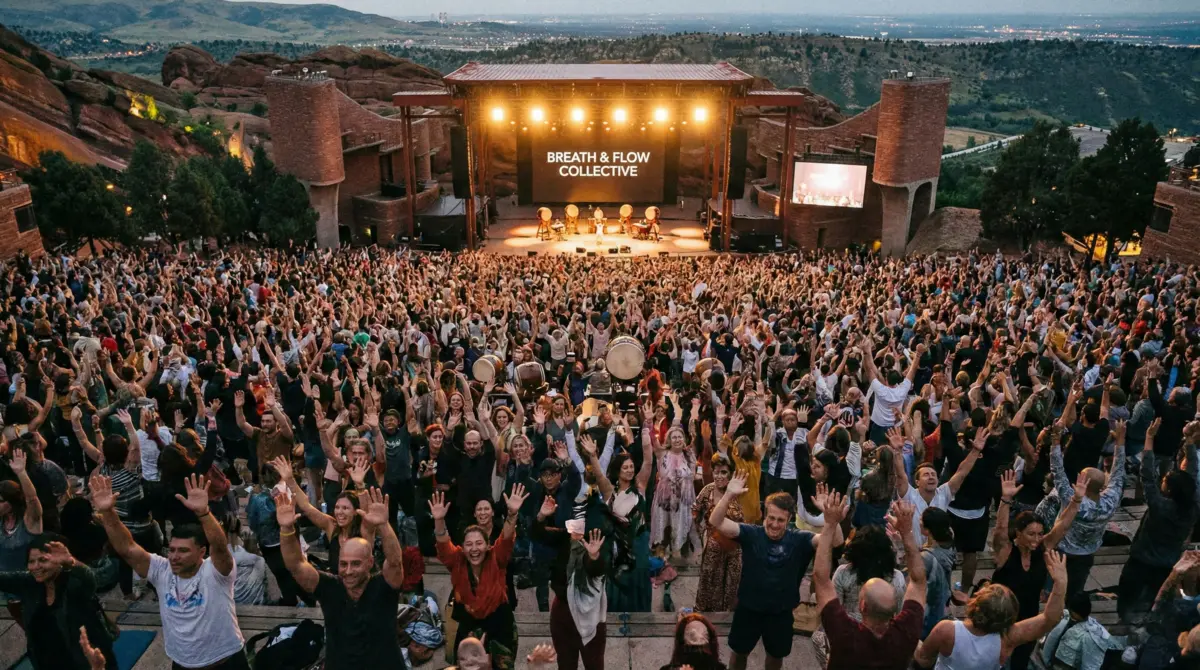
Events like large-scale scream circles, breathwork concerts, and drum-based gatherings are modern echoes of communal rituals.
About 600 people attending a rhythmic Scream Squad session in London is not an outlier; it is evidence that collective rhythm is resonating with everyday people.
From Ancestral Ritual To Daily Routine: Rhythmic Practices You Can Use
We focus on making rhythmic health simple enough to live every day, not just in retreat spaces.
You do not need a drum circle to begin, you need consistent, repeatable practices that your nervous system can rely on.
Core Rhythmic Practices For Modern Life
Some of the simplest tools are also the most effective.
Here are practices we often weave into coaching and programs:
You can start small and attach these to existing habits, like breathing rituals in the shower or walking rhythms during your commute.
Over time, these small cycles build an internal sense of safety and predictability.
Turning Rhythmic Health Into A Lifestyle
Rhythmic health is not a hack; it is a lifestyle that respects your limits and your potential.
When you commit to any practice on a daily or weekly rhythm, you are already living traditional wisdom in a modern way.
Discover Your Inner Self. Join Our Self-Mastery Program.
Self-Mastery Coaching gives you the space, tools, and guidance to grow, reflect, and discover your values and inner strength.
Self‑Mastery As The New Mainstream Language For Ancient Wisdom
Self‑mastery is our way of describing what many traditional systems taught, the art of knowing yourself deeply and choosing your response.
When we bring rhythmic health into self‑mastery, you are not forcing change, you are working with the natural timing of your nervous system and life circumstances.
The 7 Steps To Self‑Mastery Through Rhythm
On our self‑mastery path, rhythm shows up in several ways.
For example:
When you study your own patterns like a scientist, rhythm stops being random and starts being useful data.
This is where traditional awareness and modern psychology meet.
Our Self Mastery Program And Rhythmic Structure
In our 8‑week Self Mastery Program, we use weekly modules as a deliberate rhythm for inner work.
Each week focuses on a specific theme, giving your system time to process, integrate, and apply the material before moving on.
Embodiment Coaching: Grounding Rhythmic Health In Your Nervous System
Embodiment coaching is our way of helping you move from intellectual understanding into lived experience.
Rhythmic health is not just a concept; it is something your body needs to feel consistently.
Why Embodiment Matters For Rhythmic Healing
You can read about cycles and traditional healing for years and still feel stuck if your nervous system is locked in survival mode.
Embodiment work brings attention to breath, posture, movement, and sensation so that change becomes physical, not just mental.
We see embodiment as the missing link between spiritual insight and practical change.
Once your body learns a new rhythm of safety, your mind can follow.
Working One‑On‑One With Rhythmic Patterns
In one‑on‑one coaching, we look carefully at your unique cycles, including energy spikes, emotional lows, and stress patterns.
From there, we help you design realistic rituals that respect your current life while moving you toward your desired state.
Subscribe to Create Higher Vibrations!
Get Inspiration and Practical advice straight to your inbox.
Time, Self‑Awareness, And The Rhythm Of Your Day
Time management is often treated as a pure productivity issue, but we see it as a rhythmic health issue first.
If your schedule fights your natural cycles, no planner will fix the exhaustion that follows.
Self‑Awareness As A Rhythm Tool
Self‑awareness helps you see when, where, and how your energy naturally rises and falls.
Once you recognize these patterns, you can place the right tasks in the right windows instead of forcing yourself through resistance all day.
This approach is not indulgent, it is strategic.
You work with your body instead of constantly pushing against it.
The Cost Of Ignoring Rhythmic Health In Productivity
Ignoring your inner rhythm often shows up as chronic procrastination, burnout, and emotional numbness.
Bringing rhythmic awareness into your time use is one of the most grounded ways to reclaim your authority over each day.
Spiritual Rhythm: Energy, Vibration, And Conscious Growth
Many traditional systems describe health in terms of energy flow or vibration.
We use similar language to describe how your emotional state, beliefs, and actions create a field that either constricts or supports you.
Raising Your Vibration As Rhythmic Practice
Raising your vibration is not about avoiding difficult feelings.
It is about creating a consistent rhythm of practices that bring you back to clarity when life pulls you into fear or contraction.
When this rhythm is in place, you build resilience spiritually and psychologically.
You stop being at the mercy of every external shift.
Traditional Healing And Modern Energy Work
From holy water rituals to herbal cleanses, traditional cultures have long used symbolic and energetic tools for cleansing and protection.
Modern energy healing, intention practices, and quantum meditation are extensions of this same instinct to work with subtle, rhythmic layers of experience.
Integrating Traditional Wisdom Without Falling Into Toxic Self‑Help
As rhythmic health and traditional healing go mainstream, there is also a real risk of dilution, over‑promising, and spiritual bypassing.
We take that risk seriously and aim to keep this work grounded, ethical, and trauma-informed.
Red Flags In Mainstream Spiritual And Rhythmic Spaces
Some signs that a space is out of integrity include:
True rhythm respects timing, which means giving your system and story the time they need.
There is no need to rush yourself in the name of growth.
A Conscious Path Forward With Rhythmic Health
We believe you have the power to shape your reality when you understand your rhythms and honor them daily.
Our role is to guide, not to impose, and to offer tools that help you reclaim your authority rather than outsource it.
Conclusion
Rhythmic health and traditional healing systems are not fringe ideas anymore, they are reshaping how we think about medicine, mental health, productivity, and spiritual growth.
As these practices move into the mainstream, you have an opportunity to use them consciously, with respect for their roots and clarity about your own needs.
When you honor your cycles, work with your body, and choose steady practices over quick fixes, self‑mastery stops being an ideal and becomes your daily reality.
You do not need to wait for the world to slow down to find your rhythm, you can begin creating that rhythm within you today, one intentional cycle at a time.