
Trauma-Informed Coaching Goes Mainstream in 2026: Your Complete Guide

Traditional coaching asks you to push harder. Trauma-informed coaching asks if you feel safe enough to try. In 2026, this shift became mainstream because 64% of adults carry childhood wounds into their work and relationships.
Your nervous system remembers what your mind tries to forget. Trauma-informed coaching works with both, not against either.
- Trauma-informed coaching prioritizes nervous system safety over productivity alone. This shift recognizes that motivation cannot override survival responses.
- Traditional coaching ignores how your body stores trauma. Trauma-informed work integrates somatic awareness with goal setting for sustainable change.
- Psychological safety in workplaces reduces quit risk by 75%. Organizations adopting trauma-informed principles see better retention and innovation.
- Narcissistic abuse recovery requires specialized trauma-informed approaches. Generic coaching often retraumatizes survivors who experienced gaslighting and control.
- 75% of high school students have experienced adverse childhood experiences. Adults who heal trauma create safer environments for the next generation.
Trauma-Informed Coaching Becomes Mainstream in 2026: Why the World Is Finally Ready
As trauma-informed coaching becomes mainstream in 2026, people are recognizing that motivation alone does not heal the parts of us shaped by fear, neglect, or chronic stress.
We see clients every day who tried traditional coaching, only to feel blamed or misunderstood when their nervous system could not simply “push harder.”
The shift from performance to nervous system safety
In past years, coaching often centered around productivity, optimization, and external success metrics.
Now, more individuals are asking a different question, “How do I feel safe in my own body so I can actually enjoy my life and relationships?”
Rising trauma awareness in everyday life
With conversations around narcissistic abuse, attachment, and adverse childhood experiences becoming public, more people are naming what they have lived through as trauma rather than “just the past.”
This collective awareness is what pushes trauma-informed coaching into the mainstream, not as a niche, but as a baseline of care.
How our Self Mastery Programs mirror this global shift
In our Self Mastery Program, we do not ask you to override your body to reach a goal, we help you reconnect with your body so goals feel aligned and sustainable.
You are not broken or behind, you are a human whose system adapted to survive and now deserves support to live, not just cope.
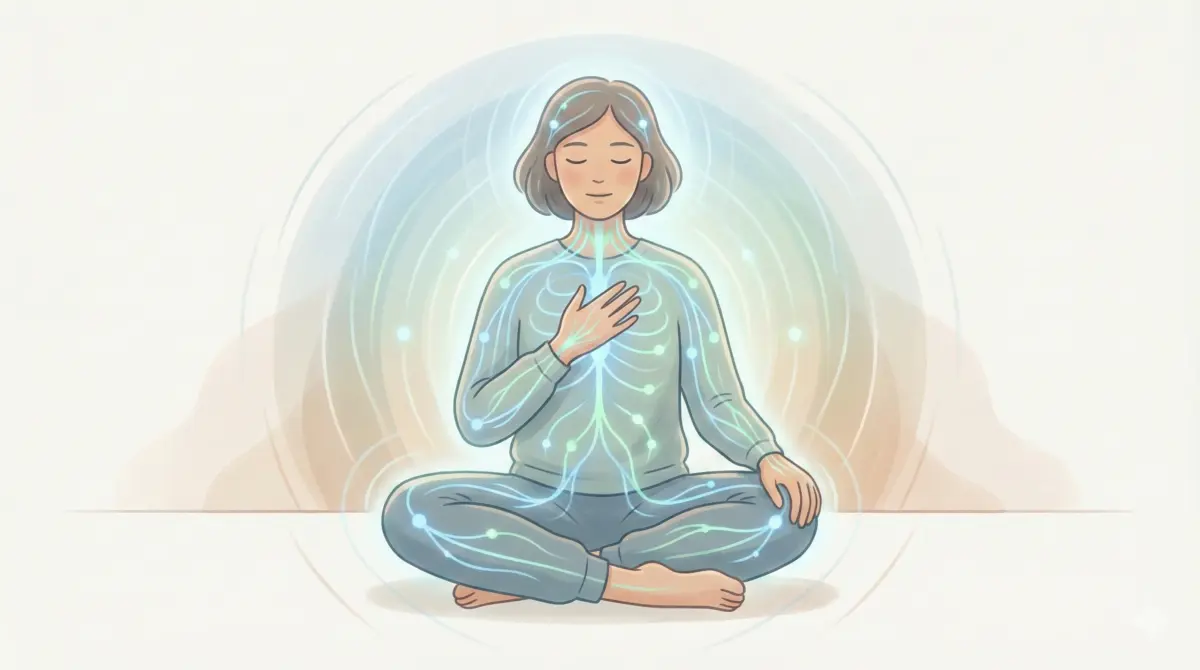
From Traditional Coaching to Trauma-Informed Coaching: Key Differences You Need to Know
Traditional coaching tends to focus on goals, accountability, and mindset reframes, which can be helpful, but often ignore the body’s survival responses.
Trauma-informed coaching respects that shutdown, freeze, or anxiety are not “mindset issues” but nervous system states that require gentle, regulated support.
What trauma-informed coaching looks like in practice
We slow down when your system signals overwhelm instead of pushing you to “stay committed.”
We work with body sensations, breath, and grounding, not only thoughts and affirmations.
Respecting consent, choice, and pace
In trauma-informed coaching, you choose what feels safe to explore, and we adapt the pace to your capacity, not to a rigid program script.
Your “no” is honored as wisdom, not resistance, which is a radical and healing experience for many clients.
Why embodiment is central to this evolution
Our embodiment coaching integrates mind and body so that insight becomes lived experience, not just intellectual understanding.
We guide you to notice patterns in posture, breath, and tension that match old survival strategies, and then support you in practicing new ways of being that actually feel safe from the inside.

The Role of Embodiment Coaching in the 2026 Trauma-Informed Landscape
As trauma-informed coaching becomes mainstream in 2026, embodiment coaching is emerging as one of the most practical applications of this shift.
It bridges what you know mentally with what you can actually feel and choose in the present moment.
Why mind-only approaches often fall short
You can understand your trauma story and still feel triggered, numb, or shut down in everyday situations.
Embodiment coaching recognizes that safety is not a thought, it is a felt sense in your nervous system.
How we work somatically without forcing retraumatization
We do not need to relive every moment of the past to heal; instead, we track present-day body responses and create small, achievable experiences of grounding and choice.
This builds capacity over time and rewires how your system responds to stress and connection.
Embodiment inside our Self-Mastery Programs
In our Self-Mastery Programs, we integrate somatic awareness into each module so you are not just learning concepts, you are practicing them in your body.
Clients learn to sense their boundaries, notice early signs of shutdown, and respond with tools that are kind rather than punishing.
Psychological Safety, Workplaces, and Trauma-Informed Coaching in 2026
Organizations are realizing that psychological safety is not a soft extra, it directly affects retention, engagement, and innovation.
Trauma-informed coaching gives leaders practical tools to create cultures where people feel safe enough to be honest, creative, and present.
Why psychological safety is a trauma-informed principle
When people have lived through emotional neglect, shaming, or abuse, they often expect punishment or dismissal when they speak up.
Coaching leaders to respond with curiosity instead of criticism is not just “good management,” it is trauma-aware care at scale.
How one-on-one coaching supports leaders and teams
In our One On One Coaching, we help leaders understand their own triggers so they stop passing unprocessed stress onto their teams.
We also support individuals in navigating burnout, people-pleasing, and conflict patterns that often began long before their current job.
The business case without losing the human focus
When psychological safety increases, attrition risk drops and well-being improves, which benefits both people and organizations.
Our perspective is simple, when humans feel safe, they can contribute fully without sacrificing their mental and emotional health.
Discover Your Inner Self. Join Our Self-Mastery Program.
Self-Mastery Coaching gives you the space, tools, and guidance to grow, reflect and discover your values and inner strength.
Narcissistic Abuse Recovery: A Leading Edge of Trauma-Informed Coaching
One of the clearest areas where trauma-informed coaching has grown is in narcissistic abuse recovery, where gaslighting, trauma bonds, and chronic self-doubt are central.
By 2026, more survivors are seeking specialized, structured coaching instead of generic advice that minimizes their experience.
Our 8-week Narcissistic Abuse Recovery program
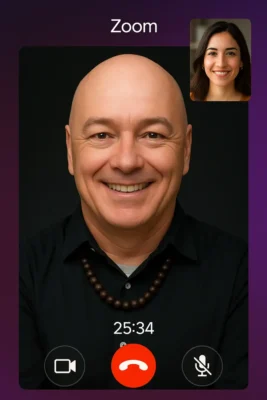
Our Narcissistic Abuse Recovery program is an 8-week intensive container led by Narcissistic Abuse Coach Vishnu Ra, designed to help you break the trauma bond and stop the cycle of gaslighting.
The program is currently listed at $888.00, reduced from $1997.00, reflecting our intention to keep deep recovery work accessible while still honoring its depth.
What you actually do inside the program
You receive weekly live 1:1 sessions, 24/7 access to guidance, and a clear roadmap that blends education, somatic tools, and practical boundary work.
We focus on regaining internal clarity so you can trust your perception again, not just intellectually, but in your body.
Why trauma-informed is non-negotiable here
Survivors of narcissistic abuse are often hypervigilant and deeply self-blaming, so any harsh or dismissive coaching approach can feel like more abuse.
Our work is grounded in validation, clear language around abuse dynamics, and gradual nervous system stabilization.

Spiritual Trauma, Religious Harm, and Trauma-Informed Coaching
As trauma-informed coaching becomes mainstream in 2026, spiritual trauma is finally entering the conversation in a serious way.
Many of our clients carry wounds from religious environments that taught fear, shame, or conditional worth.
Understanding spiritual trauma in a coaching context
Spiritual trauma is not just about doctrine, it is about how authority figures used spiritual language to control, exclude, or harm.
In our work, we offer space to question inherited beliefs without pressuring you toward any specific spiritual path.
Rebuilding trust with your own inner guidance
Trauma-informed coaching around spiritual wounds means helping you differentiate between fear-based conditioning and your own inner sense of truth.
We move at your pace, especially if the idea of “trusting yourself” feels unsafe or foreign right now.
Why this matters as coaching grows
As more coaching spaces use spiritual language, it becomes even more important that coaches understand spiritual abuse dynamics and do not repeat patterns of control.
Our article on spiritual trauma was written to educate both practitioners and survivors so coaching can be a place of clarity, not further confusion.
Preventing Childhood Trauma: How Coaching Culture Impacts the Next Generation
The fact that trauma-informed coaching becomes mainstream in 2026 has direct implications for children, because adults who heal tend to parent, teach, and lead differently.
When caregivers and leaders understand trauma, they are less likely to rely on shame, fear, or emotional withdrawal to control behavior.
What we know about childhood trauma and long-term impact
Adverse childhood experiences are linked to mental, emotional, and physical challenges later in life, from depression to relational difficulties.
We see this every day in adults who come to coaching carrying patterns rooted in early environments where their emotions were not safe.

Trauma-informed principles that protect children
Simple principles like consistent attunement, repair after conflict, and respect for a child’s boundaries lower the risk of traumatic imprinting.
Adults who do their own healing work become more able to respond rather than react, which creates a healthier emotional climate at home and in schools.
Our contribution through education
In our guide to preventing childhood trauma, we focus on real-life practices that families and communities can adopt, not perfection.
A trauma-informed coaching culture is part of shifting what “normal” parenting and leadership looks like for the next generation.
Explaining Narcissistic Abuse and Trauma to Others in a Trauma-Informed Way
As trauma-informed coaching becomes mainstream in 2026, more people are looking for language to explain what happened to them without minimizing or dramatizing it.
Part of healing is being able to speak your story in a way that feels honoring and grounded.
Why it is so hard to explain narcissistic abuse
Narcissistic abuse often involves subtle patterns of gaslighting and control that outsiders do not see, which can make you doubt your own experience.
We help clients name patterns, not just events, so the invisible dynamics start to make sense.
Speaking safely without retraumatizing yourself
We encourage you to share only with people who have shown some level of emotional maturity and to use phrases that feel manageable for your nervous system.
Sometimes that means starting with, “It was an emotionally unsafe relationship,” rather than going into detail immediately.
Coaching as a space to rehearse your voice
In coaching sessions, you can practice saying out loud what you have only thought privately, and we hold steady, non-judgmental presence as you do.
This is part of reclaiming your authority; your reality is valid, even if others do not fully understand it yet.

Self-Mastery, Consciousness, and Trauma-Informed Growth
Self-mastery in a trauma-informed world is not about controlling yourself harder, it is about knowing yourself deeply, including the parts shaped by pain.
By 2026, more people understand that discipline without compassion can recreate internal abuse rather than support growth.
What self-mastery really looks like in our work
In our self-mastery programs, we focus on awareness, choice, and alignment, not perfection or bypassing emotions.
You learn to recognize the difference between your authentic self and survival strategies built around people-pleasing, hyper-independence, or withdrawal.
Trauma-informed tools for long-term spiritual growth
We offer practices that integrate mind, body, and what you might call spirit, always with respect for your limits and consent.
Growth becomes less about chasing an ideal version of yourself and more about embodying your truth gradually and consistently.
Programs and formats to support different journeys
Whether you are drawn to structured courses, ongoing 1:1 work, or specific recovery programs, our offerings are built on the same trauma-informed foundation.
The aim is not to fix you, but to support you in relating to yourself in a way that is grounded, honest, and kind.

How to Choose a Trauma-Informed Coach in 2026
When trauma-informed coaching becomes mainstream, labels alone are not enough, you need to know how to discern alignment and integrity.
Not every coach who uses trauma language is working in a truly safe, attuned way.
Questions to ask potential coaches
The way a coach answers these questions will tell you a lot about their level of attunement and humility.
Red flags to pay attention to
A trauma-informed coach respects your boundaries and never uses shame as a motivator.
Our commitment at Create Higher Vibrations
In every program and session, we prioritize safety, consent, and your sovereignty over any rigid model or agenda.
You are the expert on your lived experience, we bring tools, presence, and perspective to support your own knowing.
Conclusion
As trauma-informed coaching becomes mainstream in 2026, we are witnessing a cultural shift from “push through it” to “understand and support your system.”
Our role at Create Higher Vibrations is to offer trauma-informed, embodiment-based coaching that honors your history while guiding you toward self-mastery rooted in truth, not in old survival patterns.