
What Is a Spirit Animal? Meaning, Origins & How to Find Yours
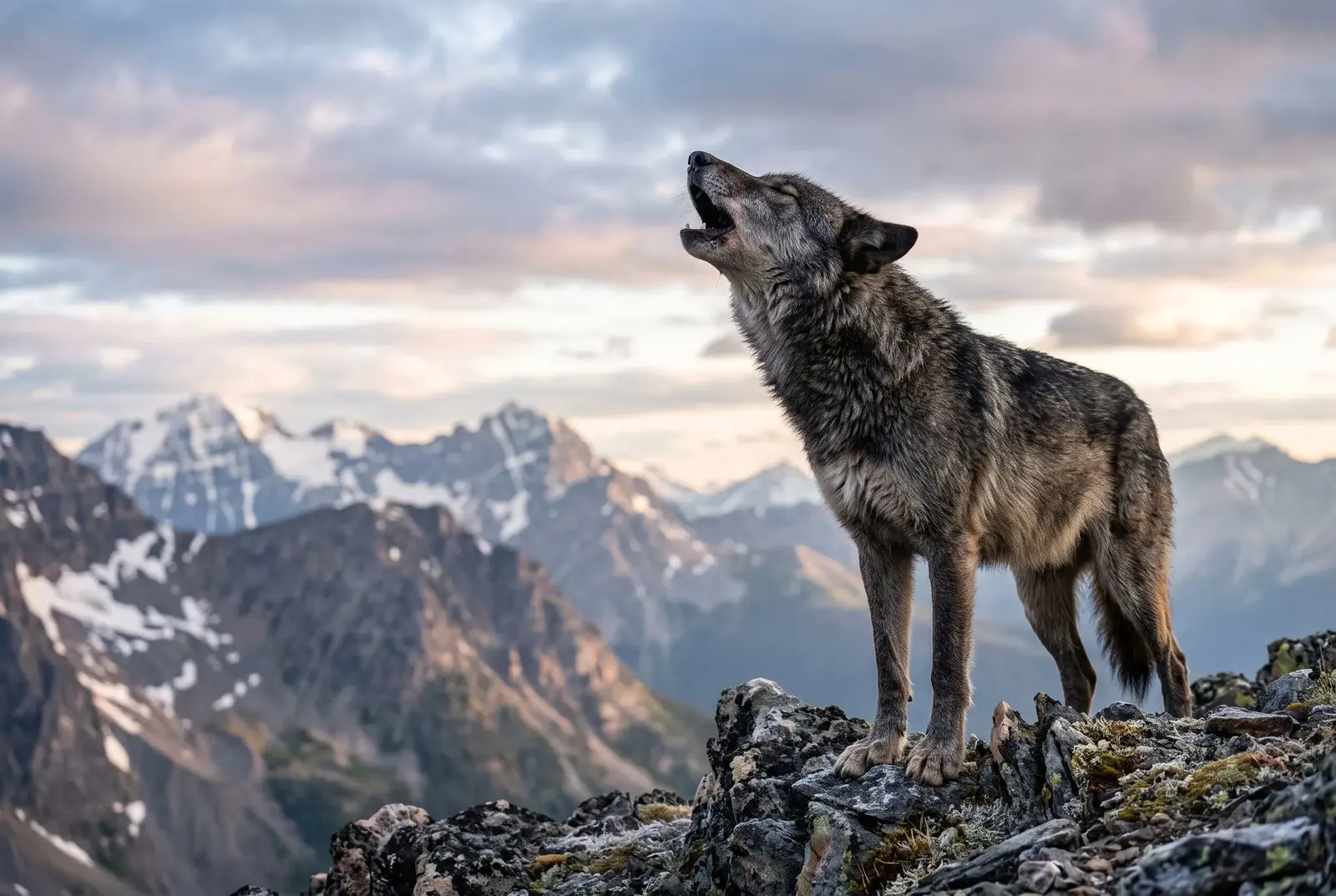
An animal keeps crossing your path. The question is what you do with that.
Key Takeaways
A spirit animal is an animal whose qualities are believed to reflect and guide a person’s own nature. People recognize theirs through repeated encounters, dreams, or a lifelong pull toward one creature. The idea draws on Indigenous traditions, European folklore, and modern shamanism.
Each of these sees the bond a little differently.
A Lakota elder, a 17th-century English villager, and a weekend workshop teacher would each describe it in their own way. Knowing which tradition you borrow from helps you use the idea well. It also helps you find an animal that means something to you.
What Does “Spirit Animal” Mean?
The simplest spirit animal meaning is a teacher in animal form. Its habits show you something about yourself. A fox shows cunning. A turtle shows patience. A wolf shows loyalty to the group.
The Aktá Lakota Museum & Cultural Center describes it as an animal whose instincts reflect a person’s own nature and life path. The museum stresses that in Lakota life these bonds are real relationships. They are not metaphors.
Today the phrase has three common uses:
Most people searching the term mean the first two. The slang use is where the debate starts, and it has its own section further down.

Where Does the Idea of a Spirit Animal Come From?
No single culture owns the idea of animal teachers. Humans have looked to animals for meaning in almost every part of the world. Four sources shaped the modern phrase most.
Lakota and other Plains nations
In Lakota teaching, animals are relatives who teach by example. The Aktá Lakota Museum lists animals such as the eagle, buffalo, turtle, deer, owl, and wolf. Each carries lessons.
The eagle stands for vision, with a link to the Creator. The turtle stands for Mother Earth. It also means long life. The buffalo stands for life given freely, since it once fed and sheltered whole communities.
According to the museum, knowing which animal spoke to you was part of knowing who you were. That knowledge came through observation, ceremony, and time spent on the land.
Ojibwe clans (doodem)
The Ojibwe word doodem means clan. Ojibwe scholar Anton Treuer explains that the English word “totem” comes from it. Its root ties to the idea of heart or center.
Clans are usually named for animals, birds, or fish. Each has a role. Treuer notes that the loon clan represents diplomacy. The crane clan represents authority and decisions.
A clan is a family lineage. You are born into it. You do not pick it because you like the animal.
The witch’s familiar in Britain
Europe had its own animal helpers. In the witch trials of 16th- and 17th-century England and Scotland, accused women and men described familiar spirits. These were often small animals such as cats, dogs, toads, or hares.
Historian Emma Wilby studied hundreds of these confessions in Cunning Folk and Familiar Spirits (2005). She argued that many describe real visionary experiences, rooted in older British folk belief. The familiar was a working partner in healing and magic, not a pet.
Harner’s power animal
The modern “power animal” comes largely from Michael Harner, an American anthropologist. He did fieldwork with the Shuar of Ecuador and the Conibo of Peru. His 1980 book The Way of the Shaman gives power animals a full chapter.
Harner taught what he called core shamanism. It strips shamanic practice of any one culture’s details, so anyone can learn it. Many workshops that promise to introduce you to your animal trace back to his method.
Is a Spirit Animal the Same as a Totem or Power Animal?
The terms overlap in casual speech, but they started in different places.
For personal practice, “animal guide” or “power animal” describes most people’s experience better than “totem.” A totem belongs to a family and a nation. A guide can belong to you.
How Can I Know My Spirit Animal?
Online quizzes match your personality to a list. That tells you what a quiz writer thinks of foxes. It says little about your own life.
The traditions above point to a slower way. They look at which animals keep turning up in waking life and in dreams; five questions help.
1. Which animal keeps crossing your path? Notice repeat encounters that feel out of the ordinary; a hawk on the same fence three mornings running counts. One pigeon at a bus stop probably does not.
2. Which animals appear in your dreams? Keep a note by the bed for a month. An animal that returns across several dreams deserves attention. So does one that speaks to you.
3. Which animal have you loved since childhood? Many people have one creature they drew, collected, or read about for years. Early pulls often point somewhere real.
4. Which animal unsettles you? Fear is information too. The animal you avoid may show a quality you have pushed away. That link pairs well with shadow work.
5. What happens in stillness? Sit quietly and picture a path into a forest. Let an animal appear without choosing it. These visualization techniques help if guided meditation is new to you.
One sighting is a moment. A pattern across these five questions is a signal. Once an animal stands out, ask what it does well. That trait is usually the message.
What Does It Mean When an Animal Keeps Showing Up?
Many people read a repeated animal the same way they read angel numbers. It feels like a nudge from something larger.
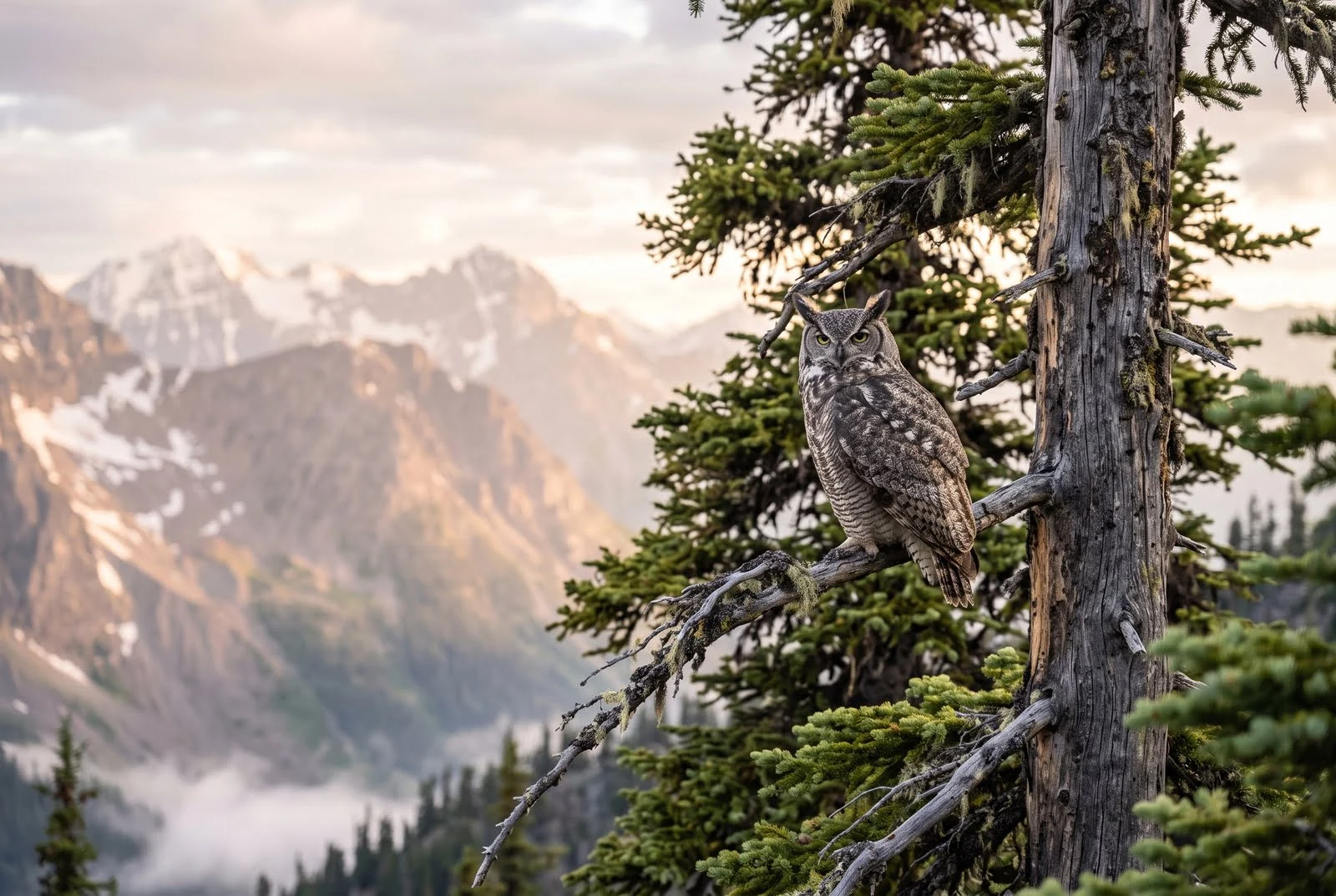
A spiritual reading asks what the animal’s nature says about your current season. A dragonfly appears during a big change. An owl appears when you need to see what others miss. A crow appears when you are being asked to pay closer attention.
A practical reading asks a second question. Has your routine changed? New walks, a new home or a new season all bring new wildlife. Both readings can be true at once. The animal can be ordinary and still carry meaning for you.
What Is My Spirit Animal by Zodiac or Birth Date?
The “12 spirit animals” that many people search for usually refer to the Chinese zodiac. Its twelve animals are the rat, ox, tiger, rabbit, dragon, snake, horse, goat, monkey, rooster, dog, and pig.
Each one rules a birth year. They are birth signs, not personal guides.
Birth-month charts that give every Aries a falcon or every Virgo a bear are modern inventions. None of the traditions above assigns animals by calendar. In those traditions, an animal comes to you through family, experience, or vision.
A zodiac animal can still be a fun lens on your personality. Treat it as a starting point, then check it against the animals your own life keeps showing you.
If you want the chart anyway, the guide to the spirit animal for each zodiac sign lists all twelve and traces where the pairings came from.
What Are the Most Common Spirit Animals and What Do They Mean?
These twelve come up most often in modern animal symbolism. The meanings draw on the animal’s real behavior, which is where most animal lore begins.
Your animal may not be on this list. A spider, a heron, a backyard cardinal, or a blue jay can carry just as much meaning.
Subscribe to Create Higher Vibrations!
Get Inspiration and Practical advice straight to your inbox.
Is It Wrong to Say “Spirit Animal”?
Many Native people see the casual use of the phrase as cultural appropriation. In a 2021 Discover Magazine report, Native voices explained why. Memes often pair the term with stereotyped images of Indigenous people.
Clan relationships to animals are ancestral. They are tied to ceremony, not personal taste.
The same report notes that views differ. Some Native people take strong offense, often after bad experiences with New Age sellers. Others see the slang as too far from their beliefs to matter.
A respectful middle path is simple:
You can still feel close to an animal. This only asks you to be clear about what you practice.
Try a Seven-Day Animal Log
The quickest way to meet your animal guide is to pay attention for one week. Carry a small notebook or use your phone.
Each day, write down three things:
On day seven, read the whole log in one sitting. Look for the animal that shows up in more than one column. Then look up how it lives. Its habits will usually tell you more than any quiz.
If nothing repeats, that is an answer too. Keep going for another week. Most traditions agree that animals come on their own schedule. A regular meditation practice makes you quieter company, which helps.
Your animal was never something to look up. It is something you notice.
For more animals and what they mean, browse the symbolism hub. If the signs you notice feel like part of a larger shift, read the signs of a spiritual awakening.