
Butterfly Symbolism: Meaning, Signs and the Soul
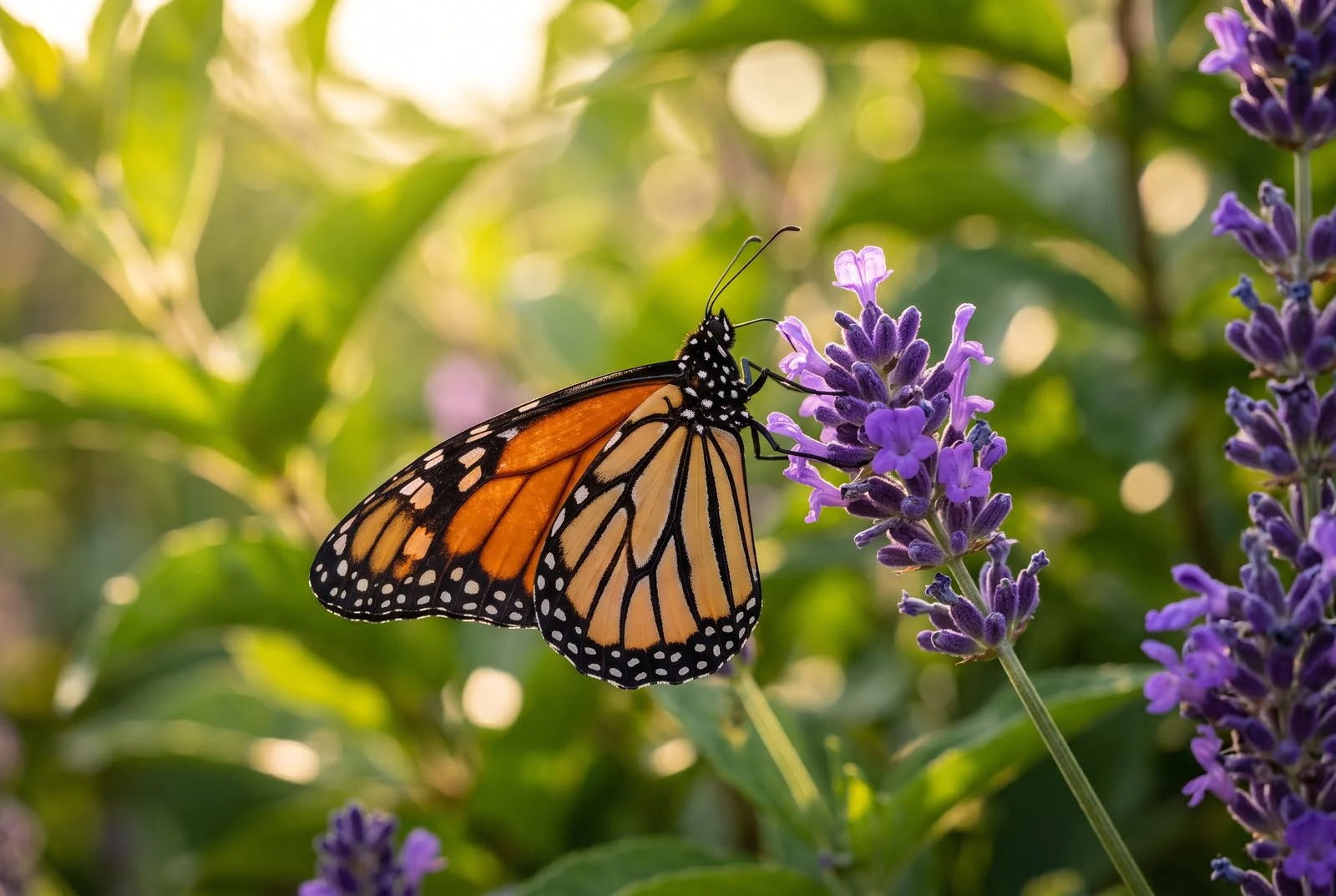
Before it flies, a caterpillar must completely come apart.
Key Takeaways
Butterfly symbolism centers on transformation, the soul, and hope. The butterfly is read as a sign of change, a messenger from loved ones who have passed, and proof that something beautiful can emerge from a dark, closed-in season.
Butterfly meaning shifts a little from culture to culture. The core ideas run through Greek philosophy, Japanese folk belief, and Mexican tradition. They also match what really happens inside a chrysalis, which is stranger than most people imagine.
What Does a Butterfly Symbolize?
Five meanings show up in almost every account of butterfly symbolism.
Each one grows from the insect’s real life. That is why the symbol has lasted so long.
Why Is the Butterfly a Symbol of Transformation?
A butterfly’s life cycle has four stages: egg, caterpillar, chrysalis, and adult. Most people picture the caterpillar simply growing wings. What really happens is stranger.
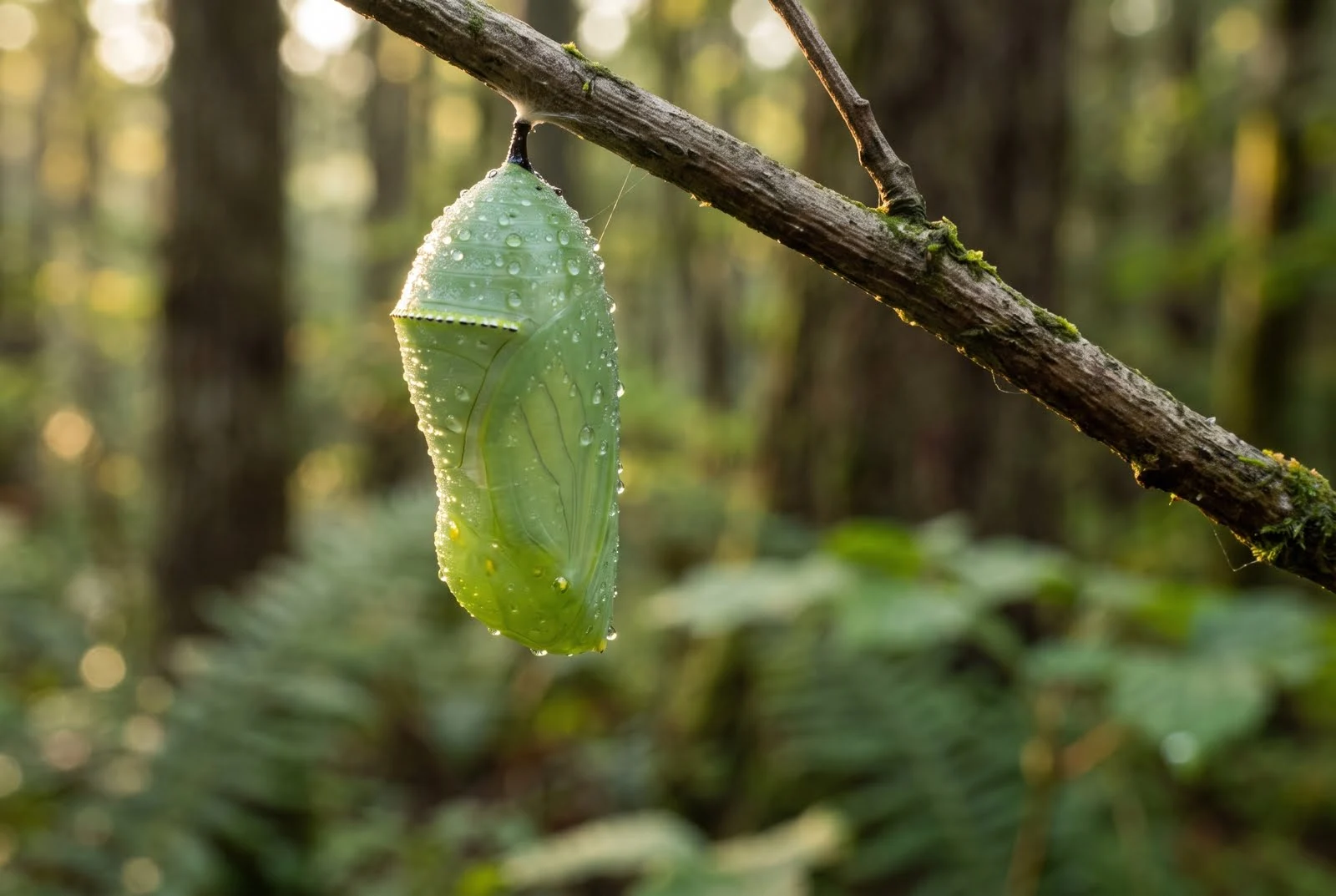
According to a Scientific American explainer by Ferris Jabr, the caterpillar first “digests itself” inside the chrysalis, releasing enzymes that dissolve its tissues. If you opened the case at the right time, a kind of soup would pour out.
A few groups of cells survive. They are called imaginal discs, and they formed while the caterpillar was still in its egg. Using the soup as fuel, these discs build eyes, wings, legs, and antennae.
So the butterfly is not the caterpillar with extras added. The old body is taken apart first. That is what gives the symbol its weight. Real change often feels like falling apart before anything new appears.
The dragonfly carries a gentler version of the same story. Its nymph climbs out of the water and splits its skin, but it never dissolves.
Why Is the Butterfly a Symbol of the Soul?
The link is older than most people think. In ancient Greek, psyche meant soul, life, or breath. It could also mean butterfly or moth. In myth, Psyche herself is often shown with butterfly wings.
Japan has a similar belief. In his 1904 book Kwaidan, Lafcadio Hearn collected Japanese stories about butterflies. He wrote that “in Japanese belief, a butterfly may be the soul of a dead person as well as of a living person.”
One story in the book tells of an old man whose young love, Akiko, died long before him. On his last day, a white butterfly comes to his room. The story ends with the line “the white butterfly was her soul.”
What Does It Mean When You See a Butterfly?
The spiritual meaning of seeing a butterfly usually points to change, hope, or a message from spirit. Timing and setting shape the message.
Keep a short note of each sighting. After a few weeks, the thread between them usually becomes clear.
What Does It Mean When a Butterfly Lands on You?
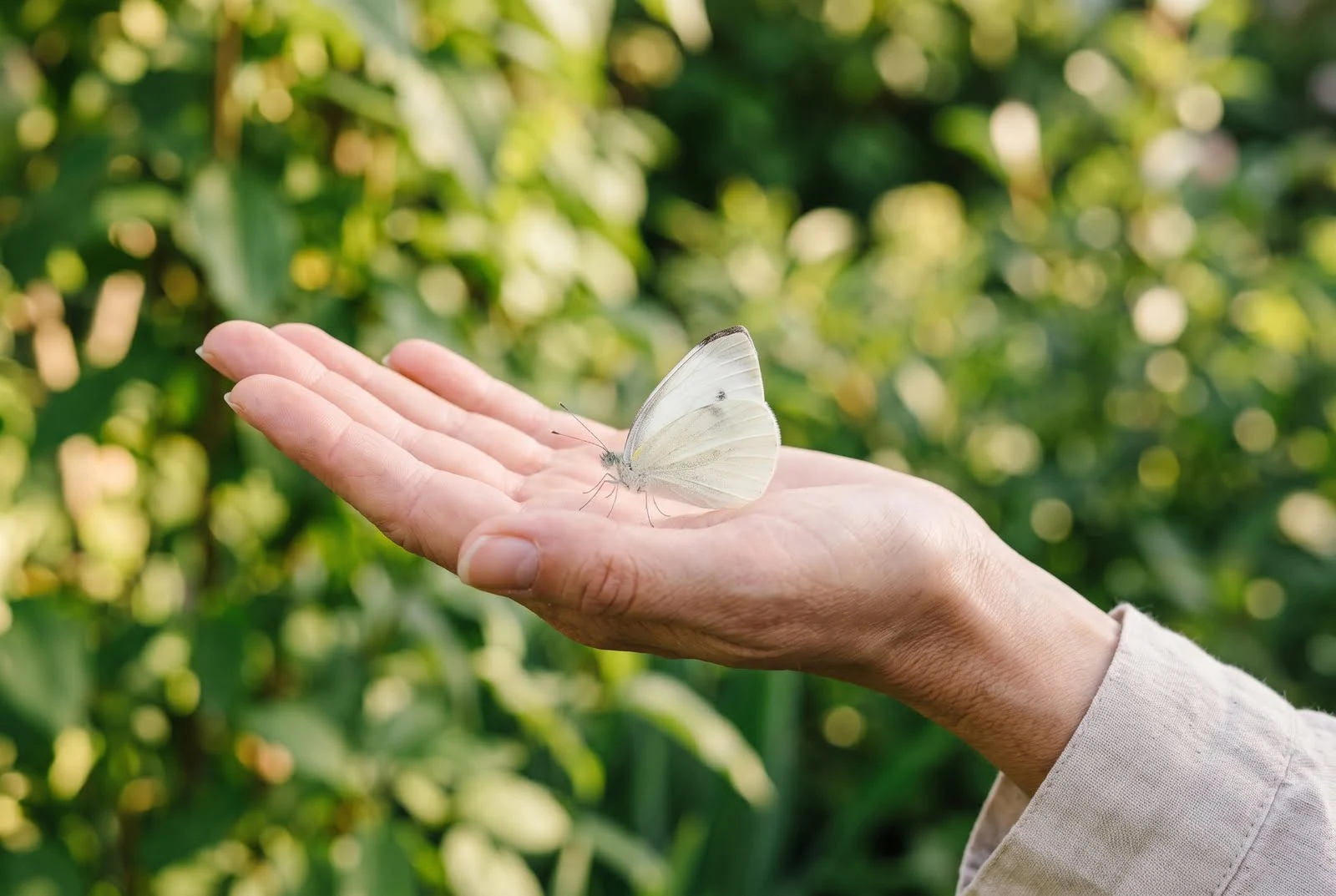
A butterfly landing on you is widely read as a blessing. It suggests trust, good luck, and a gentle connection.
There is also a physical reason. Butterflies need salts and minerals, which they sip from damp mud and other surfaces. Even sweat on human skin can attract them.
The two readings can sit together. A butterfly may land on you for the salt and still mean something to you. If it stays, stay still too. Moments like that are rare.
Is a Butterfly a Sign From Someone Who Died?
Many grieving people believe it is. The butterfly’s link to death is gentle. It suggests the dead are free and close, not that death is coming.
That belief is strongest in Mexico. The monarch migration reaches its winter forests there in early November, right around the Day of the Dead.
The U.S. Fish and Wildlife Service notes that “to many the return of the monarch symbolizes the souls of the dead returning to visit each year.”
Older Mexican tradition knew the butterfly too. The Aztec goddess Itzpapalotl, whose name means “obsidian butterfly,” was a skeletal warrior and death goddess. In her, the butterfly was power as well as beauty.
Hearn’s white butterfly story carries the same comfort. A hummingbird does the same for many families, as the guide to hummingbird meaning explains.
If a butterfly came to you after a loss, that comfort is real. It can sit beside the slower work of grief.
What Do Two Butterflies Mean?
Two butterflies flying together usually stand for love, partnership, or a soul bond. A pair spiraling upward can look like a dance.
China has a famous story behind this reading. In the legend of the Butterfly Lovers, Liang Shanbo and Zhu Yingtai are kept apart in life. After their deaths, their spirits rise from the grave as a pair of butterflies and fly away together, never to be separated again.
For that reason, a pair of butterflies is a classic Chinese image of lasting love, death, and rebirth joined in one picture.
What Does the Monarch Butterfly Mean?
The monarch is the butterfly of endurance and return. Eastern monarchs fly up to 3,000 miles each fall to reach the mountain forests of central Mexico.
No single butterfly makes the round trip. The Fish and Wildlife Service explains that the monarchs arriving in Mexico are the “great-grandchildren” of the ones that began the spring migration north.
That gives the monarch a meaning of its own. It stands for family lines, inheritance, and something that returns even when the individual does not. For many, a monarch reminds us that those who came before are still carrying them.
What Does the Butterfly Mean in the Bible?
The word butterfly does not appear in the Bible. The caterpillar does, in a harsh role. Joel 1:4 lists it among the insects that strip the land, spelled “caterpiller” in that translation.
Christian butterfly symbolism is later and devotional. Many Christians see the butterfly as a picture of resurrection. The caterpillar seems to die in the chrysalis, then rises in a new body.
The verse most often paired with it is 2 Corinthians 5:17. In the King James Version, it reads, “If any man be in Christ, he is a new creature: old things are passed away; behold, all things are become new.”
For believers, a butterfly can quietly remind us of that promise.
What Does a Blue Butterfly Mean?
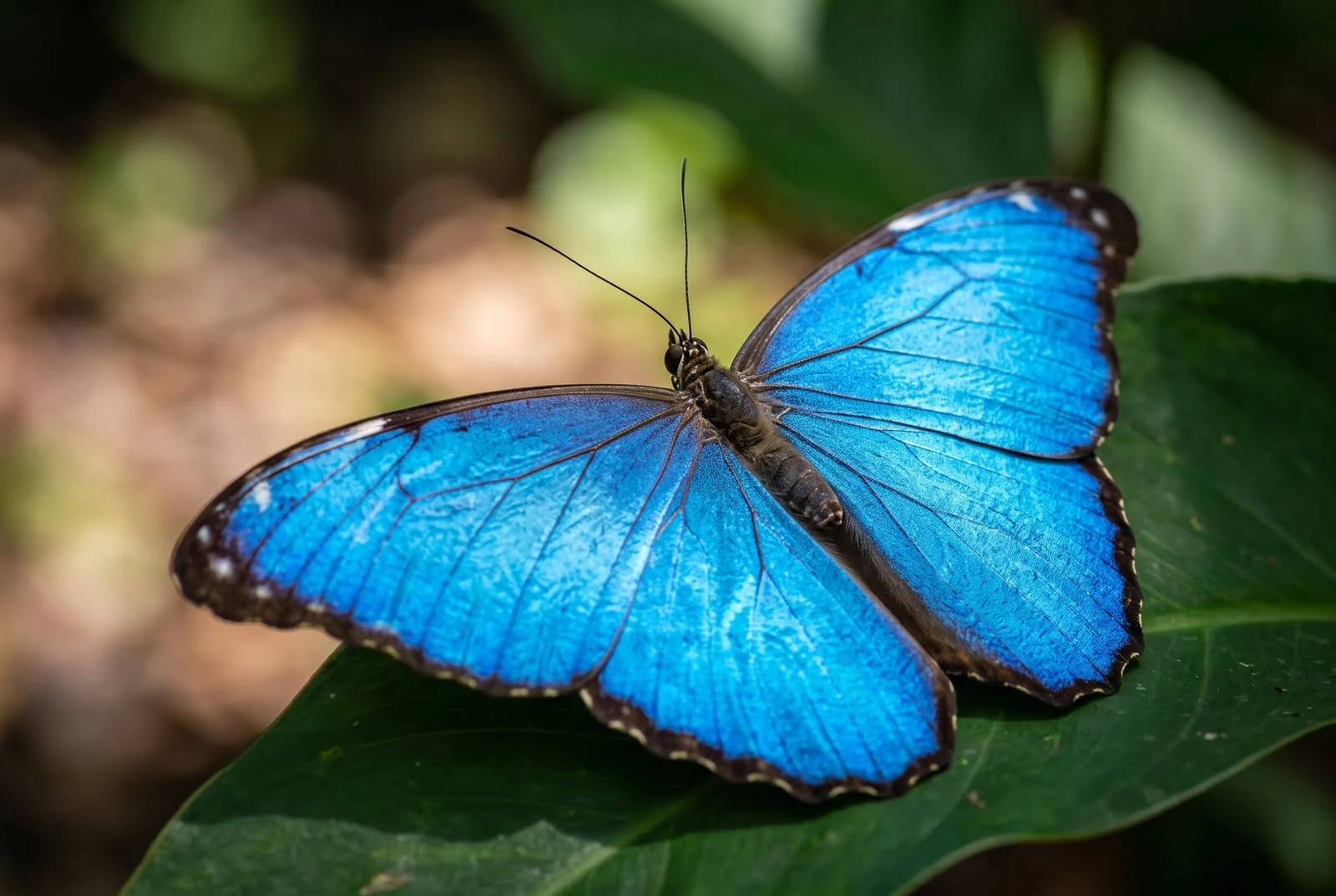
A blue butterfly usually stands for joy, luck, or a wish about to come true. Blue is rare among butterflies, so a sighting feels special.
Many also link blue to calm, truth, and clear speech. For that reason, some read a blue butterfly as a nudge to say something you have been holding back. The throat chakra, linked to the voice, is also blue.
Species such as the blue morpho have no blue pigment. Their wings are covered in tiny scales that scatter blue light.
What Do Other Butterfly Colors Mean?
These readings are modern, but widely shared.
What Does the Butterfly Mean as a Spirit Animal?
As a spirit animal, the butterfly belongs to people who are always changing. They grow through seasons that look like endings from the outside.
A butterfly guide brings three lessons:
If a butterfly keeps appearing to you, the guide to finding your spirit animal explains how to read a repeating animal. The piece on spiritual transformation goes further into inner change.

What Does a Butterfly Tattoo Mean?
A butterfly tattoo usually stands for transformation, freedom, or a new start. Many people choose one after recovery, a divorce, a move, or any season that changed them.
For many women, a butterfly tattoo marks becoming someone new, often after a hard chapter. It can also stand for femininity, grace, and the soul.
Common versions carry their own meanings:
What Does It Mean to Dream of a Butterfly?
A butterfly dream usually points to change, freedom, or a message from your deeper mind.
The most famous butterfly dream in history belongs to a Chinese philosopher. It closes this article.
Subscribe to Create Higher Vibrations!
Get Inspiration and Practical advice straight to your inbox.
Man or Butterfly?
Around 2,300 years ago, the Chinese philosopher Zhuangzi dreamed he was a butterfly. He flew about happily and forgot he was a man.
Then he woke up. Suddenly he was himself again, lying in bed. But he could not settle one question. Was he a man who had dreamed of being a butterfly? Or a butterfly now dreaming it was a man?
According to the Wikipedia summary of the Zhuangzi, the image became so famous that people wrote entire dramas about it.
Here the butterfly asks its hardest question. The self you are sure of today may be the chrysalis, not the final form. The next time a butterfly crosses your path, ask which one you are right now.
Other animal guides, from crows to cardinals, live in the symbolism hub.