

Social Intelligence in 2026: 10 Powerful Ways to Improve Your Social Skills and Deepen Connection

When most people think about “being smart,” they picture test scores, problem‑solving, or remembering complex information. Yet, in daily life, what often matters more is how well you read the room, respond to emotions, and build relationships that actually feel safe and genuine.
If you want to improve social intelligence, you’re really choosing to relate more consciously to yourself and the people around you.
This guide walks you through what social intelligence is and why it matters so much right now. How it differs from emotional intelligence, and practical, research‑informed ways to strengthen it, especially if you’re healing from relational wounds or learning how to communicate effectively for the first time.
Key Takeaways
1. What Social Intelligence Really Is (Beyond “Being Friendly”)
Social intelligence is the capacity to understand what is happening between people, in real time, and to respond in a way that respects both your needs and theirs.
It is not about people‑pleasing or being the loudest in the room. It is about awareness, attunement, and choice.
At its core, social intelligence combines four abilities:
These skills can be built, no matter your starting point or history.
Socially intelligent people tend to “read the room” accurately: they notice facial expressions, posture, tone, and timing.
They also understand social roles and norms, how to adjust in a work meeting versus a casual hangout, or when someone needs space instead of advice.
Over time, these patterns of awareness and response strengthen your relationships and reduce unnecessary chaos.
2. Why Improving Social Intelligence Matters More Than Ever
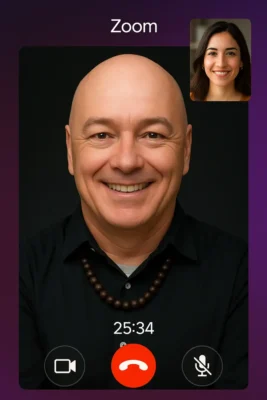
We live in a world where many conversations happen through screens, comments, and quick reactions.
A 2023 study in the Journal of Social and Clinical Psychology found that people who spent more time on social media tended to show lower levels of empathy and reported stronger feelings of loneliness.
More “connection” online did not translate into feeling deeply connected in real life.
Social intelligence is the antidote to this disconnection. It helps you notice nonverbal cues, hear what someone really means beneath their words, and navigate delicate situations without blowing them up.
These are the same skills that support healthy friendships, solid romantic relationships, better teamwork, and calmer conflict at home or work.
The good news: social intelligence is not fixed. You are not stuck with whatever you learned (or didn’t learn) in childhood.
The more often you put yourself in real‑world interactions, pay attention to feedback, and intentionally adjust your behavior, the more capable you become of moving through even difficult conversations with clarity and care.
Discover Your Inner Self. Join Our Self-Mastery Program.
Self-Mastery Coaching gives you the space, tools, and guidance to grow, reflect and discover your values and inner strength.
3. Social Intelligence vs Emotional Intelligence: How They Work Together
Social intelligence and emotional intelligence are related, but they are not the same thing. Emotional intelligence (EQ) is about knowing yourself: recognizing your feelings, regulating your reactions, and staying grounded when you are triggered.
Social intelligence is about knowing what is happening between you and others.
Someone with high emotional intelligence may be very good at calming themselves down, understanding their own triggers, and seeing both sides of a situation.
Someone with high social intelligence reads group dynamics, communicates clearly, and builds strong networks and alliances. In everyday life you need both: one keeps you centered internally, the other helps you navigate the external world.
A 2019 survey highlighted by Harvard Business Review reported that 71% of executives rated emotional intelligence as more important than IQ for career success.
That does not mean skills like social intelligence are optional. It shows that soft skills, self‑awareness, empathy, and communication are now viewed as central to effective leadership and collaboration, not nice extras.
4. Core Skills That Improve Social Intelligence
To improve social intelligence, it helps to see it as a combination of specific, trainable skills rather than a vague personality trait. Four of the most important are empathy, clear communication, conflict resolution, and cultural awareness. Each one builds on the others.
Empathy and Social Awareness
Empathy is your ability to sense what someone else may be feeling and to respond in a way that acknowledges that inner reality.
Social awareness extends this one‑on‑one sensitivity into groups: reading the tone of a meeting, noticing who is uncomfortable, and understanding unspoken rules.
Communication and Conflict Skills
Effective communication is more than finding the “right” words. It includes timing, tone, pacing, and the willingness to listen fully before you respond.
Conflict resolution skills allow you to address tension without shaming, stonewalling, or controlling the other person. Instead of “winning,” your focus shifts to clarity and repair.

5. The Role of Self‑Awareness in Social Intelligence
You cannot read other people clearly if you have no idea what is going on inside you. Self-awareness means being aware of your own thoughts, body sensations, and emotions, and how they influence your reactions. Instead of moving on autopilot, you can pause and choose.
A 2022 study in the Journal of Personality and Social Psychology found that people with higher self‑awareness also reported better social skills and more effective relationships.
When you understand your triggers, blind spots, and patterns, you are far less likely to project them onto others or misinterpret neutral behavior as an attack.
A simple practice: at the end of the day, mentally replay one important interaction. Ask yourself: What was I feeling? What did I assume about the other person? How did my tone or body language contribute?
This kind of gentle review builds the inner clarity that makes outer connection easier.
6. Cultural Awareness: Why Context Shapes Connection
No two people are carrying the same cultural map. We differ in language, norms, values, gender roles, and ideas of respect.
Socially intelligent people do not assume their way is universal; they slow down, observe, and stay curious. This is especially important in a world where we regularly interact across cultures, both online and in person.
A 2018 study from the University of Michigan highlighted that individuals with higher cultural competence, awareness of and adaptability to different cultural norms, reported stronger social skills and richer relationships.
Cultural awareness does not require you to agree with everything; it asks you to recognize that your own lens is not the only one.
Practical ways to grow this: spend time with people whose backgrounds differ from yours, read or listen to voices outside your usual bubble, and notice when you label something as “weird” or “wrong” instead of “different.”
That small shift opens the door to more respectful, less reactive interactions.

7. Signs You Already Have High Social Intelligence
If you are wondering where you currently stand, there are some common signs of strong social intelligence. You probably recognize yourself in at least a few of these already.
The goal is not to be perfect at all of them, but to see where your strengths and growth areas are.
If these traits feel far away, they are guideposts, not judgments. Each one can be strengthened over time with conscious practice and honest reflection.
8. Active Listening: The Fastest Way to Improve Social Intelligence
Active listening is one of the most powerful tools for building social intelligence, yet it is rarely modeled well.
Instead of preparing your reply while the other person is still speaking, you give them your full attention, words, tone, facial expressions, and body language. You listen to understand, not just to answer.
Practicing active listening means you do not interrupt, rush to fix, or center yourself in every story. You may reflect on what you heard, “So you felt dismissed when that happened?”, to check your understanding.
This simple shift makes people feel deeply seen and often softens defensiveness or conflict on its own.
“When people feel heard, they naturally become more open, less guarded, and more willing to engage honestly.”
By becoming an active listener, you automatically become better at reading emotions, tracking patterns, and responding in ways that actually match what others need in the moment.
9. Reading the Room: Nonverbal Cues and Environmental Awareness
Improving social intelligence also means sharpening your ability to notice what is going on around you, not just what is being said. Nonverbal cues like posture, eye contact, micro‑expressions, and distance often tell you more truth than words do.
Environmental awareness is your skill in tracking group energy, dynamics, and power structures.
You can practice this by quietly observing when you enter a room: Who is talking the most? Who is withdrawn? Who seems tense or bored? What topics change the mood?
You are not judging; you are collecting data that helps you respond in a way that fits the moment rather than clashes with it.
This awareness is especially important if you have a history of chaos or abuse, where you may have learned to scan for danger constantly.
Over time, you can retrain this hyper‑vigilance into grounded, non‑anxious observation that keeps you informed without keeping you on edge.
10. Boundaries, Abuse Recovery, and Healthy Social Intelligence
If you have lived through narcissistic abuse, emotional manipulation, or chronic invalidation, your social intelligence may be both heightened and scrambled. You might read danger quickly but doubt your own perceptions.
Part of improving social intelligence in this context is learning to trust yourself again and set clear boundaries.
Recognizing patterns like gaslighting, love‑bombing, and control helps you step out of unhealthy dynamics sooner and protect your energy.
As you heal, you learn the difference between genuine connection and trauma‑bonding, between respectful disagreement and psychological warfare.
Healthy social intelligence is not just about getting along; it is also about knowing when to step back, go no‑contact, or say “no more” to relationships that consistently harm you. That clarity is part of relational wisdom.
11. Daily Practices to Improve Social Intelligence Over Time
Social intelligence grows through repetition, reflection, and small experiments in real life. You do not need to overhaul your entire personality. You can simply adjust the way you move through your existing interactions.
Those steady, everyday choices shape how safe and understood people feel around you, and how safe you feel inside your own relationships.
Subscribe to Create Higher Vibrations!
Get Inspiration and Practical advice straight to your inbox.
Conclusion
Social intelligence is not a mysterious talent reserved for naturally “charismatic” people. It is a set of learnable skills that help you understand yourself, read others more accurately, and move through relationships with more honesty and care.
In a time when digital interaction can leave us lonelier than ever, choosing to improve social intelligence is a deeply practical way to create more real connections in your life.
By strengthening self‑awareness, listening more deeply, respecting cultural and personal differences, and honoring your own boundaries, you build relationships that are not only more peaceful but more authentic.
You do not have to get it right every time. You only need to stay curious, keep practicing, and let each interaction teach you something about how you and others relate.
Over time, those small shifts add up to a very different way of being with people, with less confusion and more genuine understanding on both sides.


Components of Social Intelligence