
21 Signs You Are a Genuinely Good Person (Psychology)

You wonder if you count as a genuinely good person. Psychology defines goodness as consistent empathy, integrity, and respect under pressure. Good people admit mistakes, set boundaries, and support others without fanfare.
Research from 840 college students showed that empathy predicts prosocial behavior significantly. The study found empathy positively predicted helping actions with a beta coefficient of 0.42.
This means empathetic people help others 42% more consistently than less empathetic individuals.
- Genuine goodness shows in consistency, empathy, and boundaries.
- Self-reflection separates it from niceness.
- Growth happens through deliberate practice.
- It benefits health and relationships long-term.
What Makes Someone a Genuinely Good Person?
A genuinely good person acts with empathy, accountability, and consistency. They prioritize others’ well-being without self-sacrifice or burnout. Research in positive psychology identifies self-awareness and moral courage as core markers.
Good people feel uncomfortable with undeserved praise. They reflect on their impact regularly. Unlike performative niceness, genuine goodness persists when no one watches. They treat janitors with the same respect as CEOs.
A 2024 study on emotional intelligence found empathy correlated strongly with prosocial traits. Higher empathy scores predicted greater life satisfaction and stronger social networks.
The research surveyed 1,171 adolescents and found empathy influenced prosocial behavior directly and through social support.
People pleasers differ from genuinely good people in motivation. Fear drives people pleasers; values drive good people. Good people say no to protect their capacity for true help. People pleasers say yes to avoid rejection.
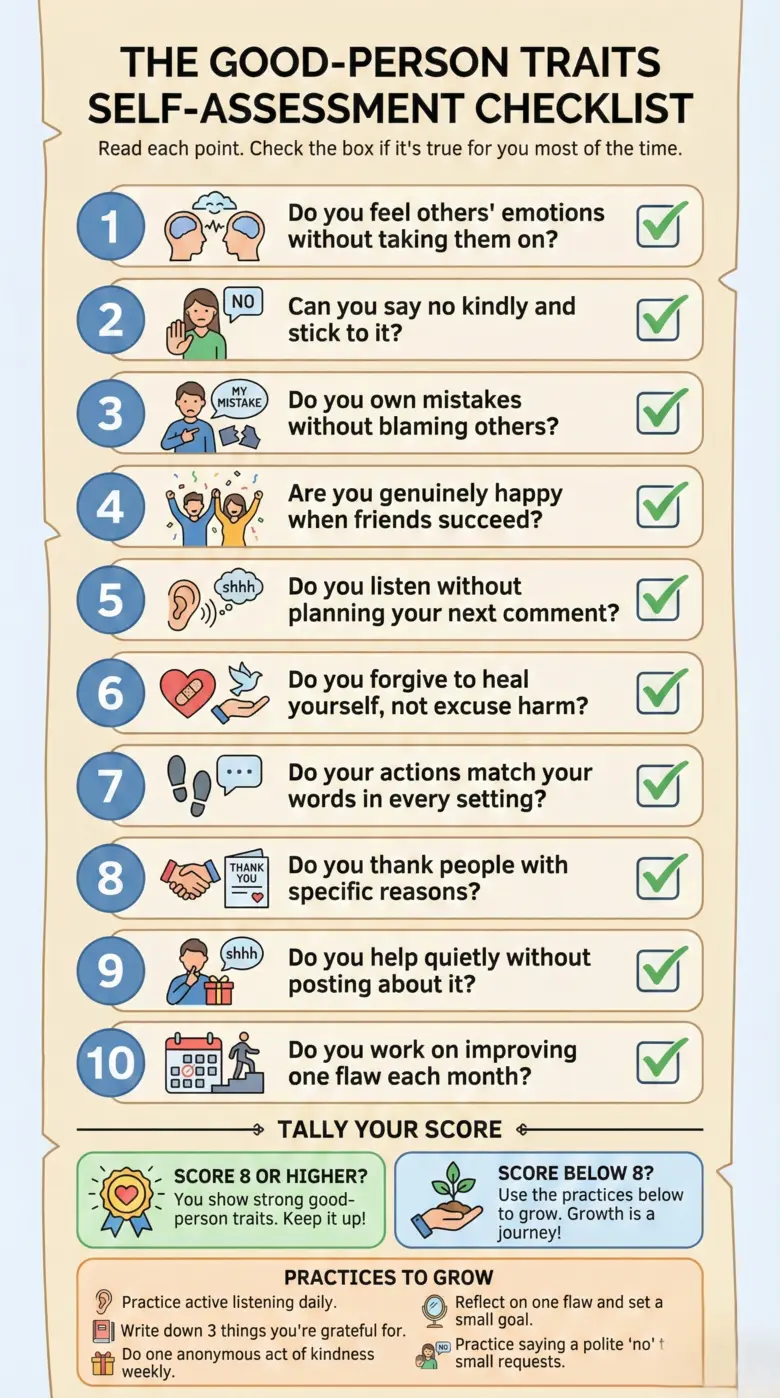
21 Signs You Are a Genuinely Good Person
1. You Practice Empathy Without Absorbing Others’ Pain
You sense others’ emotions and respond with care. When friends share loss, you validate their pain first. You don’t immediately redirect to your own similar story.
Psychology calls this “empathic concern,” different from personal distress. A study of 840 participants found that empathy significantly predicted prosocial behavior.
The beta coefficient was 0.42, meaning strong predictive power. Higher empathy correlated with 42% more helping actions.
You avoid emotional burnout by setting limits on helping. You say, “I care deeply, but I need rest tonight.” This balance lets you support others sustainably long-term.
2. You Set Boundaries Kindly and Hold Them
Good people say no without guilt or aggression. You decline extra work respectfully: “I appreciate the ask. I can’t commit right now.”
This preserves energy for true priorities. Research shows boundary-setters experience significantly less workplace burnout. A 2021 study found that people who struggle with boundaries report higher anxiety and depression symptoms.
Contrary to myths, boundaries enhance kindness by preventing resentment. A 2023 study found that couples who respect boundaries experience higher relationship satisfaction. You recognize over-giving signals, people-pleasing, and not genuine goodness.
3. You Admit Mistakes and Apologize Without Excuses
You own faults quickly: “I was wrong to snap. I’m sorry.” No blame-shifting or justifications follow. Accountability builds trust in all relationships, personal and professional.
This trait appears in small moments, not just big failures. You correct a wrong restaurant order without defensiveness. You acknowledge forgetting a friend’s birthday without elaborate excuses.
Research links accountability to leadership effectiveness and team performance. Good people view errors as growth opportunities, not ego threats.

4. You Celebrate Others’ Success Without Jealousy
Your friend’s promotion genuinely thrills you. You ask detailed questions and share your news proudly.
Psychology calls this “compersion,” pure joy in others’ wins. Envy may flicker briefly, but it doesn’t overshadow happiness. Research shows that secure people with this trait report higher relationship quality overall.
You cheer for them even when they’re absent. This proves sincerity. You post congratulations on social media without centering yourself.
5. You Listen More Than You Talk
You put your phone down and maintain eye contact. You recall past conversations: “How did that project end?”
Active listening signals you value the other person. Emotional intelligence research shows it fosters deeper bonds. Good listeners paraphrase to confirm understanding: “So you felt dismissed?”
This reduces misunderstandings by 40% according to communication studies. The habit extends to strangers, showing baseline respect.
6. You Forgive to Free Yourself, Not Excuse Harm
You release hurts after a fair processing time. Forgiveness heals you; it doesn’t erase consequences for wrongdoers.
A meta-analysis of 54 studies found that forgiveness interventions reduced depression and anxiety significantly. A 2023 study showed that forgiveness improved sleep and lowered blood pressure.
Research also found that increases in forgiveness decreased perceived stress over five weeks.
Good people distinguish forgiveness from reconciliation clearly. Safety comes first. You forgive the drunk driver who hit you without letting them back in your life.
7. You Act the Same Publicly and Privately
Your behavior stays steady across all settings. You’re kind to bosses, waitstaff, and family equally.
Psychology spots fakes through inconsistencies in different contexts. Genuine goodness shines brightest in stress and anonymity. You remain calm and fair when tired or frustrated.
Observers notice this in unguarded moments, like traffic jams. You don’t curse at drivers or honk aggressively.
8. You Express Specific, Sincere Gratitude
You thank people with details: “Thanks for listening yesterday. Your perspective helped me decide.”
Gratitude rewires brains for positivity. Harvard research shows daily gratitude practice boosts happiness by 25%. Good people model it in notes, texts, and casual conversations.
It appears unprompted, not just when receiving gifts. You thank your partner for daily tasks, not just birthdays.
9. You Help Without Needing Applause
You shovel a neighbor’s walk without telling anyone. Prosocial acts release dopamine and create natural rewards internally.
Research shows habitual helpers live longer and experience better health. A study on 840 students found that prosocial behavior correlated with moral identity. You get help from intrinsic motivation, not social approval.
Your scale of help matches the need present. You offer time for friends, money for causes.
10. You Reflect Weekly on Your Behavior
Every Sunday, you journal: “Where did I fall short?” Self-awareness drives moral development consistently.
Good people pursue therapy, books, and feedback relentlessly. They ask trusted friends: “What do I miss about my behavior?”
This prevents stagnation and arrogance over time. Research shows that self-reflection increases emotional intelligence scores significantly.
11. You Treat Service Workers Like Executives
You chat equally with baristas and company presidents. Social equality reflects low prejudice and high moral development.
No condescension or excessive friendliness appears. You use the same polite tone with everyone. Studies link this to advanced stages of moral reasoning.
You learn names and ask how their day goes. Simple gestures matter.
12. You Refuse to Gossip About Others
When friends gossip, you redirect: “Let’s focus on solutions.” This guards reputations and builds trust long-term.
Psychology ties gossip refusal to high integrity scores. You speak about absent people as if they’re present.
You also don’t share others’ private information for entertainment. Confidentiality matters in all relationships.
13. You Choose Integrity Over Convenience
Temptations test you daily; you choose honesty repeatedly. You return extra change from the cashier.
Moral alignment consistently predicts ethical decisions under pressure. Research shows integrity sustains self-respect and mental health long-term.
You don’t cheat on small things like taxes or timesheets. Character shows in tiny choices.
14. You De-escalate Conflict Instead of Winning
Disagreements stay solution-focused: “I see your point. Here’s mine.” You lower your voice when others raise theirs.
De-escalation skills mark emotional maturity and secure attachment. Conflict research shows it preserves relationships through difficult periods.
You apologize for your part, even if wronged more. Pride doesn’t block resolution.
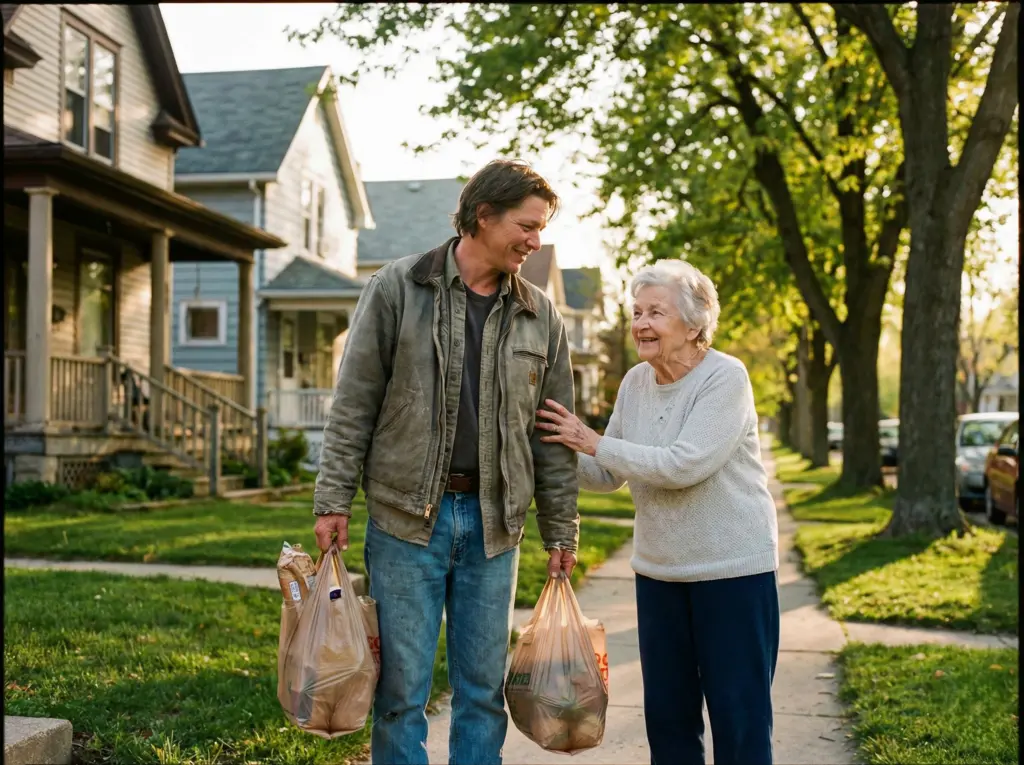
15. You Ask Real Questions About Others’ Lives
You move beyond small talk: “What excites you lately?” You remember their answers for future conversations.
This builds genuine rapport and shows sincere interest. Good people care about others’ inner lives, not just surface details.
You follow up weeks later: “Did you start that project?” Memory demonstrates care.
16. You Credit Others for Shared Success
Achievements get “We did it” language, not “I did it.” You name teammates publicly when praised.
Humility boosts likability and team cohesion significantly. Studies show braggarts alienate people and damage relationships quickly.
You highlight others’ contributions in meetings and emails. Recognition matters to everyone.
17. You Keep Promises Even When No One Checks
You said you’d call; you call. Reliability builds trust invisibly but powerfully.
Good people honor commitments to themselves and others equally. You finish the book you said you’d read.
Integrity shows most when consequences don’t exist externally. Character is who you are alone.
18. You Sit in Silence When Someone Needs Presence
You resist fixing every problem immediately. Sometimes you say, “I’m here,” and stay quiet.
This validates emotions without overstepping boundaries. Good people trust others’ capacity to find their own solutions.
You offer support without taking over their journey. Presence matters more than advice often.
Discover Your Inner Self. Join Our Self-Mastery Program.
Self-Mastery Coaching gives you the space, tools, and guidance to grow, reflect and discover your values and inner strength.

19. You Say “I Don’t Know” Without Shame
You admit knowledge gaps: “I need to learn that.” Vulnerability strengthens trust and relationships paradoxically.
Good people don’t fake expertise to impress others. Honesty about limits shows self-awareness and humility.
You ask questions to learn, not to look smart. Curiosity drives growth.
20. You Stay Hopeful While Planning for Reality
Hope balances with action, not denial. You expect good outcomes while preparing for challenges.
Resilient optimism aids recovery from setbacks significantly. Research shows it predicts mental health and life satisfaction.
You don’t catastrophize or minimize real problems. Balanced thinking guides good judgment.
21. You Work on One Flaw Each Month
Daily small improvements compound over the years. This month, you practice patience; next month, active listening.
Growth mindset, per Carol Dweck’s research, defines high achievers morally and professionally. People who believe abilities develop through effort persist longer.
You track progress in journals or apps. Measurement creates accountability.
Good Person vs. People Pleaser vs. Fake Nice
This table clarifies crucial nuances people often miss. Genuinely good people balance self-care with care for others.
| Behavior | Genuinely Good | People Pleaser | Fake Nice |
|---|---|---|---|
| Motivation | Values and compassion | Fear of rejection | Social approval |
| Boundaries | Sets kindly, holds firmly | Avoids at all costs | Selective for image |
| Apologies | Owns fully, changes behavior | Over-apologizes constantly | Rarely admits real fault |
| Help Given | Sustainable, boundaried | Until burnout hits | Publicly only |
| Conflict Response | Addresses directly, calmly | Accommodates always | Smiles through anger |
| Authenticity | Same in all settings | Changes per audience | Performance varies |
| Energy After | Fulfilled and energized | Drained and resentful | Calculating next move |
People pleasers act from fear and obligation, not choice. Their kindness feels compulsory, not generous. They struggle to say no even when harm results.
Fake nice people perform goodness strategically for reputation. They’re kind when others watch or when it benefits them. Consistency disappears in private settings.
Ask yourself: “Do I act from love or fear?” This question reveals your true motivation quickly.
How to Become a Better Person: 10 Weekly Practices
- Track empathy moments daily: Note when you sensed others’ emotions accurately. Aim for five instances weekly.
- Practice saying no kindly twice this week: “I appreciate the ask. I can’t right now.” Notice your discomfort decreases over time.
- Apologize specifically for one mistake: No excuses, just “I was wrong about X.”
- Congratulate three people publicly on their wins: Post sincerely on social media or tell others.
- Listen 70% of the time in conversations: Put your phone away completely during talks.
- Forgive one small grudge through letter-writing: Write to release, don’t necessarily. Studies show this reduces stress significantly.
- Check consistency: Did you act the same way with different statuses? Reflect on this.
- Express specific gratitude to three people: Tell them exactly what they did that helped.
- Help someone quietly without mentioning it anywhere: Notice how it feels without recognition.
- Journal for 10 minutes weekly: Answer “Where did I fall short? What do I improve next?”
Follow this for 90 days consistently. Research shows new habits form in 66 days on average. Track progress weekly to maintain motivation and see growth.
Growth happens through deliberate, consistent practice over time. Carol Dweck’s research proves abilities develop through sustained effort, not innate talent alone.
Subscribe to Create Higher Vibrations!
Get Inspiration and Practical advice straight to your inbox.
FAQ: Common Questions About Being a Good Person
What defines a genuinely good person in psychology?
Someone with consistent empathy, integrity, and prosocial behavior across situations. Research shows empathy predicts helping behavior with a beta coefficient of 0.42.
What’s the difference between a good person and a nice person?
Good people act on values privately; nice people seek approval publicly. Good people set boundaries; nice people avoid conflict through agreement.
Can genuinely good people still feel anger or jealousy?
Yes, absolutely. Good people experience all human emotions naturally. They regulate emotions constructively and address root causes calmly. Feeling anger at injustice is healthy; acting destructively is not.
How do I know if I’m genuinely kind or just people-pleasing?
Ask yourself: “Do I act from choice or fear?” People pleasers feel drained and resentful after helping. Genuinely kind people feel fulfilled and energized.
Can a good person make big mistakes?
Yes. Good people aren’t perfect; they’re accountable. They own mistakes, apologize sincerely, and change their behavior afterward. Mistakes don’t cancel goodness; refusal to grow does.
Are good person traits different across cultures?
Core traits like empathy and integrity appear universally. Expression varies culturally. Some cultures value direct communication; others value indirect harmony.
How long does it take to become a better person?
Growth is lifelong, but you’ll notice changes in 90 days. Research shows habits form in approximately 66 days. Track one trait monthly for steady progress.
Do good people need to sacrifice their own needs?
No. Healthy boundaries protect your capacity to help sustainably. Research shows boundary-setters experience less burnout and better mental health.