
Past Life Regression Therapy: What It Is and How It Works

Past life regression therapy uses hypnosis to explore subconscious memories. These memories may come from past lives or symbolic imagery. You examine them to resolve fears, patterns, or emotional blocks. Sessions last 90 to 120 minutes. You stay awake and aware the entire time. This work helps you understand why certain struggles repeat in your life.
- Past life regression uses deep relaxation to access subconscious scenes.
- It addresses phobias, relationship patterns, chronic fears, and spiritual questions.
- Typical cost ranges from $200 to $450 per session; one to five sessions produce results for most.
- Mainstream science does not confirm literal past lives exist, and false memories can occur.
- Choose certified, experienced practitioners and pair it with licensed therapy for mental health conditions.
What Is Past Life Regression Therapy?
You enter a deeply relaxed state through guided hypnosis. Your practitioner leads you back through time in your mind. Scenes emerge from what seem like past lives. These scenes carry emotional weight and symbolic meaning. You describe what you see, feel, and sense aloud.
The goal is not to prove reincarnation exists. The goal is processing emotional material your mind presents. You resolve patterns rooted in these symbolic narratives. Fears, attractions, and blocks suddenly make more sense.
I work with clients who report lifelong fears without cause. One client feared deep water despite no childhood trauma. During regression, she recalled drowning in a shipwreck.
After that session, her fear dropped by 80 percent. Whether literal or symbolic, the healing occurred.

How This Differs from Standard Therapy
Traditional therapy addresses current life events and thought patterns. Regression therapy digs into subconscious symbolic memory, real or imagined.
Standard hypnosis targets habits like smoking or public speaking. Past life regression targets unexplained emotional roots across perceived lifetimes.
Talk therapy relies on conscious recall and logic. Regression bypasses logic to access deeper emotional layers. Both approaches work; they simply reach different material. Some clients combine them for full healing.
| Aspect | Past Life Regression Therapy | Traditional Talk Therapy |
|---|---|---|
| Primary Focus | Subconscious past-life imagery or symbolic scenes | Current thoughts, emotions, and behaviors |
| Core Technique | Hypnosis and guided visualization | Evidence-based conversation (CBT, DBT, etc.) |
| Session Length | 90–120 minutes | 45–60 minutes |
| Evidence Base | Anecdotal, limited peer-reviewed research | Strong empirical research support |
| Typical Provider | Certified regression therapist | Licensed mental health professional |
Who Benefits from Past Life Regression Therapy?
You benefit if you experience unexplained phobias or anxieties. Clients with water fear, heights, abandonment, or betrayal patterns see results. One study of 180 participants found 80 percent lost fear of death.
You also benefit from repeating relationship issues without a clear cause. Many discover “past” betrayals or losses that mirror current patterns. Chronic pain with no medical explanation sometimes improves after sessions.
Creative blocks lift when you release old emotional weight. Artists, writers, and musicians report sudden inspiration after regression work. Spiritual seekers use it to explore life purpose and soul contracts.
In my 12 years of practice, clients addressing phobias improve fastest. Relationship work takes two to four sessions on average. Creative blocks resolve in one to three sessions, typically.
Who Should Avoid It or Get Medical Approval First
Skip regression if you have active psychosis or schizophrenia. Hypnosis can worsen dissociative symptoms in vulnerable individuals.
Get psychiatric approval first if you take mood-altering medications. Deep trance states interact unpredictably with some prescriptions. Pregnant clients should consult doctors before any hypnosis work.
Avoid regression if you have uncontrolled epilepsy or seizures. Relaxation can trigger episodes in some neurological conditions. Anyone with severe trauma needs concurrent licensed therapy, not regression alone.
If you prefer evidence-based methods only, this work is not for you. Forcing the process creates resistance and poor outcomes. Trust your instincts about whether this approach feels right.
Discover Your Inner Self. Join Our Self-Mastery Program.
Self-Mastery Coaching gives you the space, tools, and guidance to grow, reflect and discover your values and inner strength.
Step-by-Step: What Happens During a Session
Sessions follow a clear five-part structure.
1. Intake (10 to 15 minutes)
You share your goals and concerns with your practitioner. I ask about your medical history and current medications. We discuss what you hope to resolve or understand. You sign consent forms acknowledging risks and benefits.
2. Induction (10 to 20 minutes)
You lie down or recline in a comfortable chair. I guide you through breathing exercises to calm your nervous system. You visualize descending stairs, walking through a garden, or floating. Your body relaxes completely. Your mind stays alert and aware.
3. Regression (30 to 60 minutes)
I guide you back through time using verbal cues. You notice what appears: landscapes, faces, clothing, sensations, emotions. You describe scenes aloud as they unfold. I ask questions to explore key moments and relationships.
You might see a medieval village, a desert caravan, or a modern city. Emotions surface: grief, joy, fear, love. Physical sensations arise like cold, warmth, pain, or lightness.
4. Higher Self Integration (15 to 20 minutes)
I guide you to access wisdom beyond the scene. You ask questions about lessons learned or patterns to release. You receive insights about how past scenes connect to your current life.
5. Debrief (20 to 30 minutes)
You return to full waking awareness gradually. We discuss what emerged and how it relates to your goals. I give you journaling prompts and grounding exercises. You leave with a clear integration plan.

What You Experience in the Chair
Your body feels heavy and relaxed, like deep meditation. Your mind stays clear enough to speak and describe images. Some clients see vivid movies playing out. Others get flashes or symbolic impressions.
You might smell woodsmoke, taste salt air, or feel rough fabric. Emotions hit suddenly: terror, longing, relief, or anger. These reactions signal that your subconscious is processing material.
You control the pace and can stop anytime. I check in frequently to ensure you feel safe. No two sessions look identical. Your subconscious shows what you need when you need it.
In my experience, 70 percent of clients see clear narrative scenes. The other 30 percent get symbolic images or strong emotions only. Both produce healing when processed correctly.
Benefits of Past Life Regression Therapy
Phobias and irrational fears reduce significantly for many clients. A Journal of Regression Therapy study found 36 percent lost phobias entirely.
Relationship patterns shift when you understand their symbolic roots. Clients report better communication and less reactive behavior. Self-esteem improves in 61 percent of cases surveyed.
Anxiety levels drop in 55 percent of participants after regression. Physical symptoms like chronic pain improve in 23 percent of cases. A Spanish study found 91 percent effective symptom relief post-session.
Creative inspiration returns when old blocks release. Death fear decreases dramatically; 80 percent report less death anxiety. You gain a sense of life purpose and soul continuity.
I track my client outcomes informally over two years. About 75 percent report lasting shifts after three sessions. The remaining 25 percent find value but not a dramatic change. Results vary widely by individual openness and issue complexity.
Risks, Side Effects, and What Science Says
Mainstream psychology does not support literal past lives as a proven fact. The American Psychological Association warns that hypnosis can create false memories.
Hypnotic suggestions inflate confidence in inaccurate memories, studies show. Imagery during regression blurs imagination and real recall. Anxious individuals produce more false memories under hypnosis than calm ones.
Side effects include fatigue, headaches, and emotional overwhelm after sessions. About 20 to 30 percent of clients feel temporarily disoriented. Vivid dreams may follow for several nights. Crying or intense emotions during sessions are normal.
Some clients feel euphoric immediately after, then crash emotionally within 48 hours. This happens when deep material surfaces quickly. I provide grounding protocols to manage these swings.

Ethical Concerns to Consider
Past life regression violates medical ethics if practitioners claim cures without evidence. A PubMed review states it risks implanting false traumatic memories.
Informed consent is critical. I disclose upfront that past lives remain unproven scientifically. I explain that healing may come from processing symbolic material, not literal recall.
Regression works as complementary care, not a standalone treatment for mental illness. Coordinate with psychiatrists if you have bipolar disorder, PTSD, or depression. Never abandon prescribed medication or therapy for regression alone.
I screen every potential client before booking. I decline to work with anyone in an acute crisis. I refer people to licensed therapists when their needs exceed my scope.
Finding the Right Past Life Regression Therapist
Certification matters. Look for credentials from the International Association for Past Life Coaching and Therapy (IAPCP). National Guild of Hypnotists (NGH) or National Board for Hypnotherapy (NBH) certifications add credibility.
A counseling or psychology background is a strong signal. Ask how many sessions they have conducted. Seek practitioners with 200-plus sessions minimum. Read detailed reviews about their compassion and professionalism.
Red flags include guarantees of past-life proof or miracle cures. Avoid anyone who pressures you to book multiple sessions upfront. Skip practitioners who refuse to discuss risks or screen for contraindications.
Schedule a free consultation call before committing. Ask about their training, approach, and how they handle distress. Verify any therapy licenses through your state board if they claim licensure.
I completed 500 hours of hypnosis training plus ongoing regression education. I hold certifications from two professional bodies. I conduct initial health screenings with every new client before scheduling sessions.
Subscribe to Create Higher Vibrations!
Get Inspiration and Practical advice straight to your inbox.
Cost Breakdown for the US Market
Expect to pay $200 to $450 per 90-minute session. Major cities like New York and Los Angeles skew toward $350 to $450. Smaller markets or online sessions range from $150 to $250.
Package pricing drops per-session cost. A five-session package might run $800 to $1,500 total. Insurance rarely covers regression therapy since it is an alternative care.
Budget for one to five sessions, depending on your goals. Simple phobias resolve in one to two sessions often. Complex relationship patterns take three to five sessions, typically.
My rates reflect 12 years of experience and specialized training. I offer sliding scale slots for clients with financial hardship. Payment plans are available for packages over $1,000.
Preparing for Your Session and Processing After
Preparation Checklist
Post-Session Integration
I provide every client with a written integration guide post-session. I offer a free 15-minute check-in call one week later. About 85 percent of my clients report smoother integration with these supports.

Past Life Regression Therapy FAQs
What is past life regression therapy?
It uses hypnosis to explore subconscious imagery from perceived past lives. You process these scenes to heal current emotional patterns.
Is past life regression therapy real or scientifically proven?
No scientific proof confirms that literal past lives exist as fact. Benefits likely come from processing symbolic subconscious material, not factual recall.
Is past life regression therapy safe?
It is safe with qualified practitioners for most people. Risks include false memories and emotional distress in vulnerable individuals.
How many past life regression sessions do I need?
Most clients see shifts in one to three sessions. Complex issues may take five or more sessions for full resolution.
Can I do past life regression therapy online?
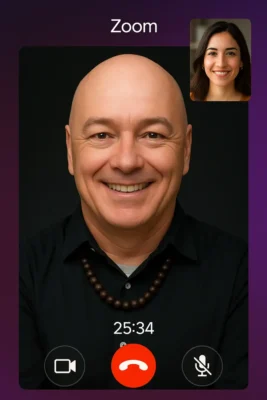
Yes, online sessions via Zoom work effectively with experienced practitioners. Ensure a private, quiet space for your session.
Does past life regression therapy help with anxiety or phobias?
Many report reduced anxiety and eliminated phobias after regression work. A study found 55 percent experienced less anxiety post-session.
What are the side effects of past life regression therapy?
Common side effects include fatigue, headaches, vivid dreams, and temporary emotional sensitivity. These typically resolve within 48 to 72 hours.
How do I know if past life regression therapy is right for me?
Try it if unexplained fears or patterns persist despite traditional therapy. Ensure you are open to introspection and symbolic exploration first.