First Quarter Moon: What It Is, When to See It, and How to Use Its Energy

The first quarter moon is one of the most misunderstood lunar phases. Despite looking half-lit, it’s called “quarter” because the moon has completed one-quarter of its 29.5-day orbit around Earth. This phase marks a turning point. The moon is gaining light, and the energy is building toward fullness.
For anyone drawn to moon phases, whether for astronomy or spiritual practice, the first quarter moon offers a unique window. It’s visible during the afternoon and evening, making it accessible for observation. And energetically, it’s the phase that challenges you to act on what you started during the new moon.
This guide covers the science, visibility, spiritual meaning, and practical rituals tied to the first quarter moon. You’ll learn when to see it, how it differs from other phases, and how to use its momentum for personal growth.
- The first quarter moon occurs about seven days after the new moon.
- It appears half-lit but marks one quarter of the lunar cycle.
- This phase rises around noon and sets near midnight.
- Spiritually, it represents action, balance, and pushing through obstacles.
- Use this time for decision-making, rituals, and goal reassessment.
What Is the First Quarter Moon?
The first quarter moon happens when the moon is positioned at a 90-degree angle relative to Earth and the Sun. From our perspective, the right half of the moon appears illuminated in the Northern Hemisphere, while the left half is lit in the Southern Hemisphere.
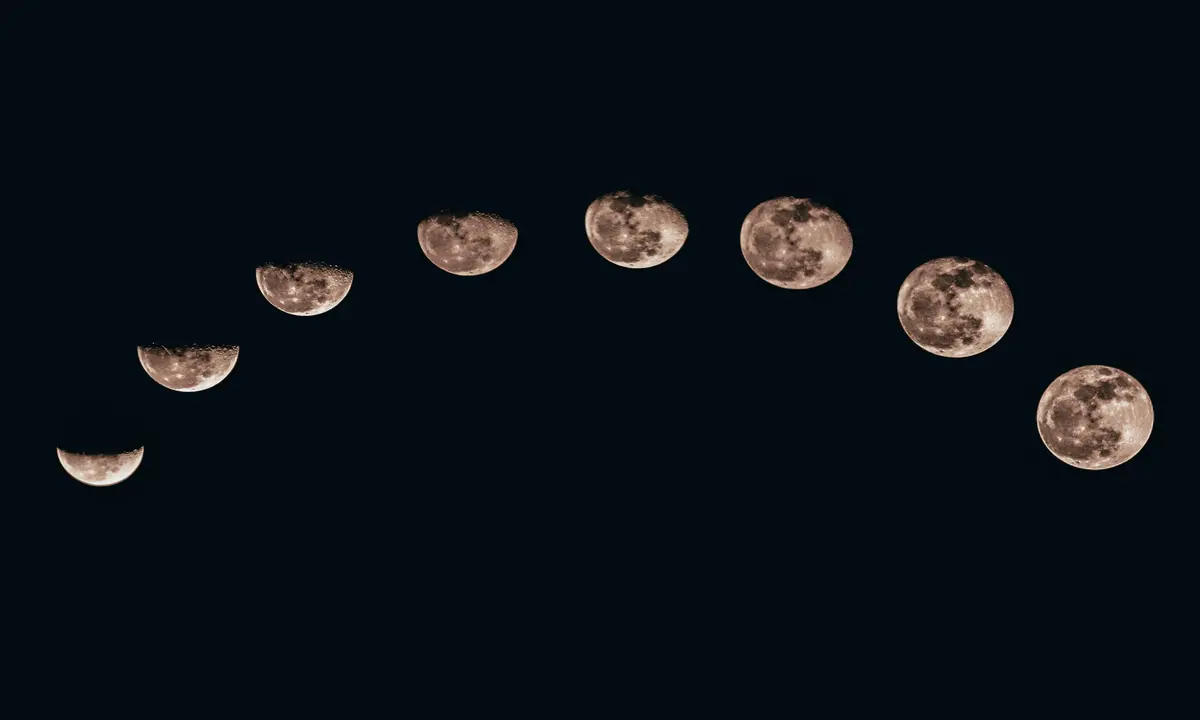
This phase occurs roughly seven days after the new moon and marks the halfway point between new and full. The moon is waxing, meaning it’s growing brighter each night.
Why It’s Called “Quarter” When It Looks “Half”
The name confuses many people. The moon looks half-lit, so why not call it the “half moon”?
The term “first quarter” refers to the moon’s position in its orbit, not the amount of light visible. At this point, the moon has completed one-quarter of its journey around Earth. The illuminated portion is indeed 50%, which is why “half moon” is a common nickname.
Astronomers stick with “first quarter” to distinguish it from the third quarter moon, which also appears half-lit but occurs during the waning phase.
Where the First Quarter Moon Fits in the Lunar Cycle
The lunar cycle has eight recognized phases:
The first quarter sits at the cycle’s midpoint between new and full. It’s a transition phase. The moon is no longer in shadow but not yet at peak brightness.
For a clearer picture of the moon’s phases, check out NASA’s lunar phase guide.
When and Where to See the First Quarter Moon
Facts about the first quarter moon
Visibility Times and Best Viewing Conditions
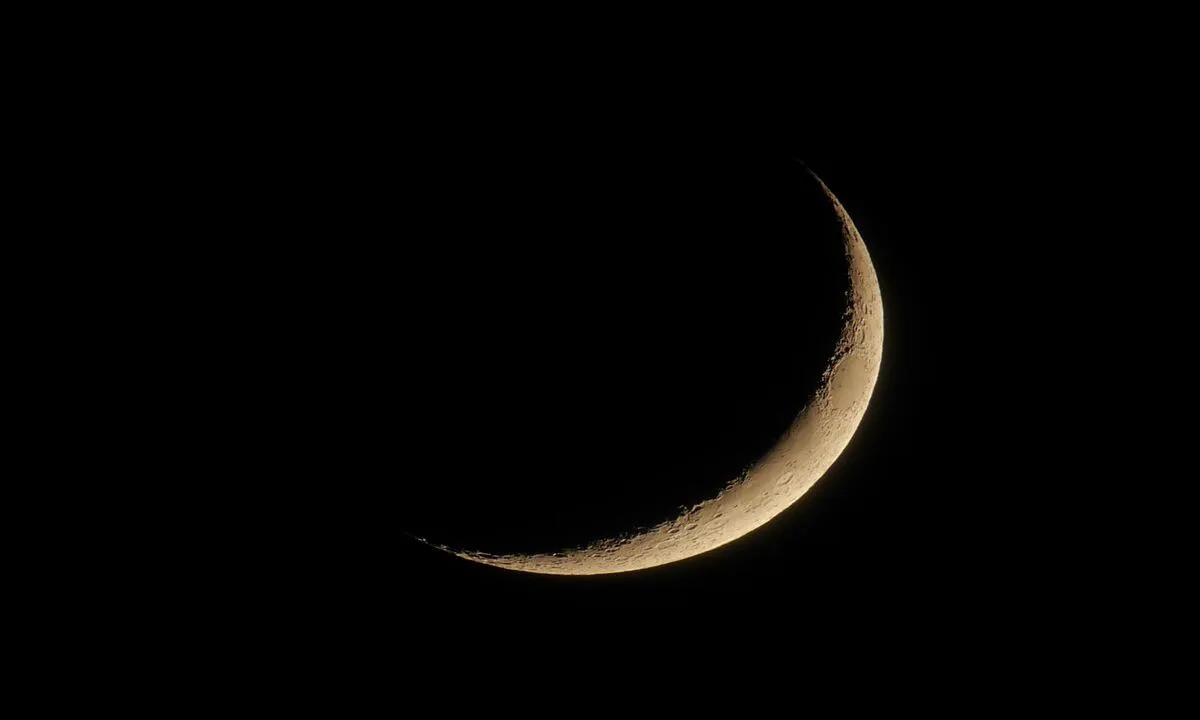
The first quarter moon rises around noon and sets near midnight. This makes it one of the easiest phases to observe, even during daylight hours.
Look toward the southern sky in the Northern Hemisphere during late afternoon. The moon will appear high overhead by sunset and remain visible through the evening.
Because the moon is at a 90-degree angle to the Sun, the terminator (the line between light and shadow) is sharply defined. This creates a dramatic contrast, especially when viewed through binoculars or a telescope.
How Often Does the First Quarter Moon Occur?
The first quarter moon occurs once every 29.5 days, matching the length of the full lunar cycle. Each month features one first-quarter phase, though the exact date shifts.
For example, if the first quarter moon falls on February 5, 2026, the next will occur around March 6, 2026. You can track upcoming dates using tools like Time and Date or NASA’s moon phase calendar.
First Quarter Moon vs. Other Lunar Phases
| Phase | Timing in Cycle | Illumination | Spiritual Meaning | Best Practices |
|---|---|---|---|---|
| New Moon | Day 0 | 0% | New beginnings, intention-setting | Set goals, plant seeds |
| First Quarter | Day 7 | 50% (right half) | Action, balance, decision-making | Reassess, push through resistance |
| Full Moon | Day 14–15 | 100% | Completion, release, celebration | Gratitude rituals, letting go |
| Third Quarter | Day 22 | 50% (left half) | Reflection, forgiveness, rest | Review lessons, prepare for closure |
The first quarter is often confused with the third quarter because both appear half-lit. The key difference: the first quarter occurs during the waxing phase (growing light), while the third quarter occurs during the waning phase (diminishing light).
Spiritual Meaning of the First Quarter Moon
The first quarter moon represents a moment of reckoning. You’ve set intentions during the new moon. Now, obstacles surface. This phase asks: Are you willing to push forward?
Action and Forward Momentum
The first quarter moon is a call to act. The energy is no longer passive or introspective. It’s dynamic and outward-facing.
This is the phase where plans meet reality. You may encounter friction, doubt, or external challenges. The moon’s energy supports bold moves and course corrections.
Balance Between Effort and Adjustment
The moon is exactly half-lit, symbolizing equilibrium between light and shadow. Spiritually, this reflects the need to balance effort with flexibility.
You may need to adjust your strategy without abandoning your goal. The first quarter moon teaches that persistence doesn’t mean rigidity. It means showing up and adapting.
Decision-Making and Overcoming Resistance
This phase heightens tension between what you want and what stands in the way. It’s common to feel stuck or uncertain during the first quarter moon.
Use this energy to make decisions. The moon’s growing light supports clarity. Ask yourself: What needs to change for me to move forward? What am I avoiding?
The first quarter moon rewards those who lean into discomfort and take action despite fear.
How to Work with First Quarter Moon Energy
Rituals and Practices
The first quarter moon is ideal for rituals that focus on momentum, balance, and decision-making. Here are five practices to try:
1. Moonlight Journaling
Write under the moon’s light (or near a window). Reflect on progress since the new moon. What’s working? What needs adjustment? End with one action step you’ll take in the next three days.
2. Lunar Altar Creation
Set up a small altar with items that represent action and balance. Include candles, action-oriented crystals like citrine or carnelian, and symbols of your current goals.
3. Mindful Movement
Practice yoga, walking, or dancing under the first quarter moon. Focus on poses or movements that build strength and stability, like Warrior II or Tree Pose.
4. Decision Meditation
Sit quietly and bring to mind a decision you’ve been avoiding. Visualize the moon’s half-lit face. Ask: What does moving forward look like? Trust the first answer that surfaces.
5. Obstacle Mapping
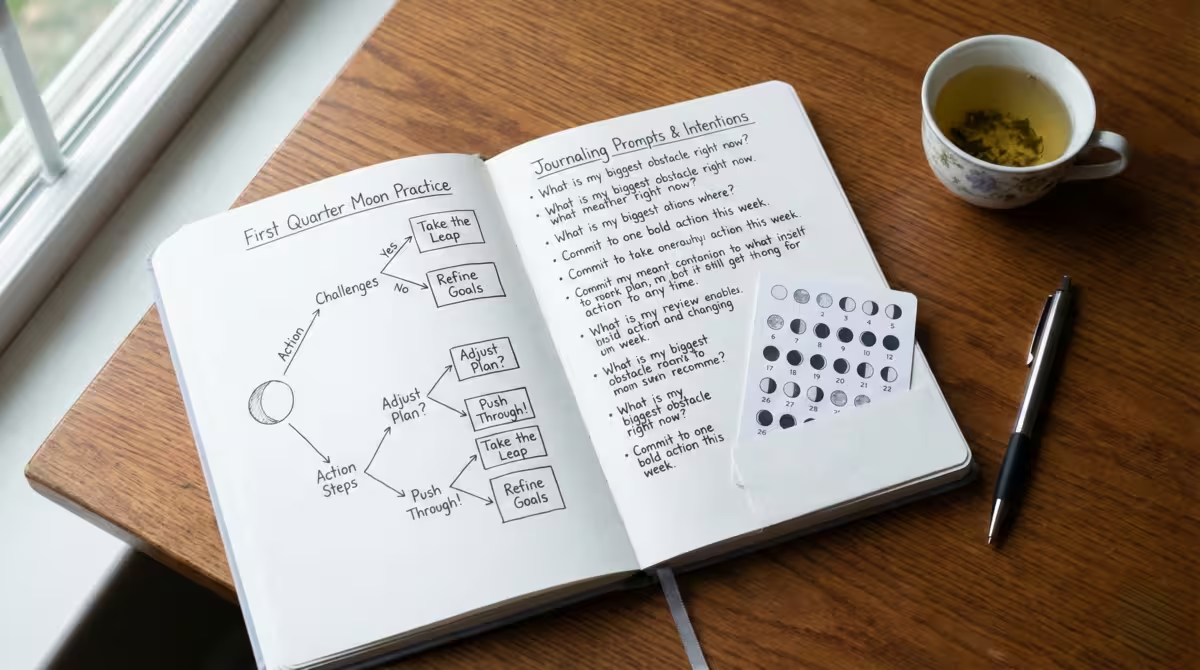
List three obstacles blocking your progress. For each one, write one small action you can take this week to reduce its power.
Crystals and Tools for This Phase
Certain crystals align with the first quarter moon energy:
| Crystal | Properties | How to Use |
|---|---|---|
| Citrine | Motivation, confidence, manifestation | Carry in your pocket during decision-making |
| Carnelian | Courage, action, vitality | Place on your altar or wear as jewelry |
| Tiger’s Eye | Strength, focus, grounding | Hold during meditation or journaling |
| Clear Quartz | Amplification, clarity, energy boost | Use to charge other crystals under the moon |
Charge your crystals by placing them on a windowsill where moonlight reaches them overnight.
Journaling Prompts and Reflection Questions
Use these prompts to deepen your first-quarter moon practice:
First Quarter Moon in Astrology and Birth Charts
What It Means to Be Born Under a First Quarter Moon
If you were born during the first quarter moon phase, your natal chart carries this energy as a core theme. First-quarter moon natives are known for their drive, resilience, and ability to overcome challenges.
You likely feel pulled toward action and growth. Stagnation frustrates you. You thrive when you have a clear goal and obstacles to navigate.
Key Traits and Challenges
Strengths:
Challenges:
First-quarter moon natives benefit from practices that encourage rest, reflection, and community support. Balance is your lifelong lesson.
FAQ About the First Quarter Moon
Why is the first quarter moon called a half moon?
How long does the first quarter moon phase last?
What’s the difference between first quarter and third quarter moon?
Can I see the first quarter moon during the day?
What are the best practices during the first quarter moon?
How does the first quarter moon affect mood and energy?
Practical Exercises to Harness First Quarter Moon Energy
[Step-by-Step Checklist: First Quarter Moon Practice]
Exercise 1: Progress Check-In (15 minutes)
Subscribe to Create Higher Vibrations!
Get Inspiration and Practical advice straight to your inbox.
Exercise 2: Moon Gazing Meditation (10 minutes)
Exercise 3: Decision Tree Mapping (20 minutes)
Bringing It All Together
The first quarter moon is a phase of action, balance, and decision. It appears half-lit, rises at noon, and sets at midnight. It marks the point where intention meets resistance.
Whether you approach the first quarter moon through astronomy, spirituality, or personal growth, its message is clear: keep moving. Adjust your course, but don’t stop.
Use the rituals, crystals, and exercises in this guide to harness the momentum this phase offers. Track the first-quarter moon each month and notice how its energy shifts your focus and results.
The next time you see the moon half-lit in the afternoon sky, remember: it’s not halfway done. It’s halfway to full.