
How to Self-Reflect: 9 Self-Reflection Techniques and 30 Questions to Ask

Most people think they know themselves. Very few have checked.
Key Takeaways
Self-reflection is the practice of deliberately turning your attention inward to examine your thoughts, emotions, beliefs and behavior. The aim is not to judge yourself. It is to understand what happened, what it means for you and what you will do next.
It matters because most of us run on autopilot. We repeat the same reactions and wonder why the same problems return. Learning how to self-reflect is how you catch the pattern and change it.
What Is Self-Reflection?
Self-reflection means stepping back from your experience to look at it clearly. Psychologists also call it introspection. It covers three questions: what happened, how you responded and what you want to do differently.
Reflection is different from self-criticism. Criticism asks, “What is wrong with me?” Reflection asks, “What happened, and what can I learn?” The first tends to shut you down. The second opens a door.
It is also different from worrying. Worry spins on the same thoughts without reaching a conclusion. Reflection has a purpose. It ends with an insight or a next step.
The psychologist Carl Jung put the idea memorably. In a 1916 letter to Fanny Bowditch, he wrote: “Who looks outside dreams; who looks inside awakes.”
Why Does Self-Reflection Matter?
Self-reflection matters because self-awareness is rarer than it feels. Organizational psychologist Tasha Eurich and her team studied thousands of people. Most believed they were self-aware. Only 10 to 15 percent actually met the criteria.
Reflection also helps you learn faster. In ten experiments with more than 4,000 people, Giada Di Stefano, Francesca Gino, Gary Pisano and Bradley Staats found that reflecting on past practice often did more good than simply practicing more.
The quality of reflection matters, though. In a 2011 study of 121 students, Ronald Harrington and Donald Loffredo found that insight was the strongest positive predictor of well-being. Rumination predicted lower well-being. Looking inward only helps when it leads somewhere.
For the deeper question of who you are, the guide on how to understand yourself goes further.

What Are the Best Self-Reflection Techniques?
These nine techniques cover the main ways to reflect. Start with one or two. Add others as the habit grows.
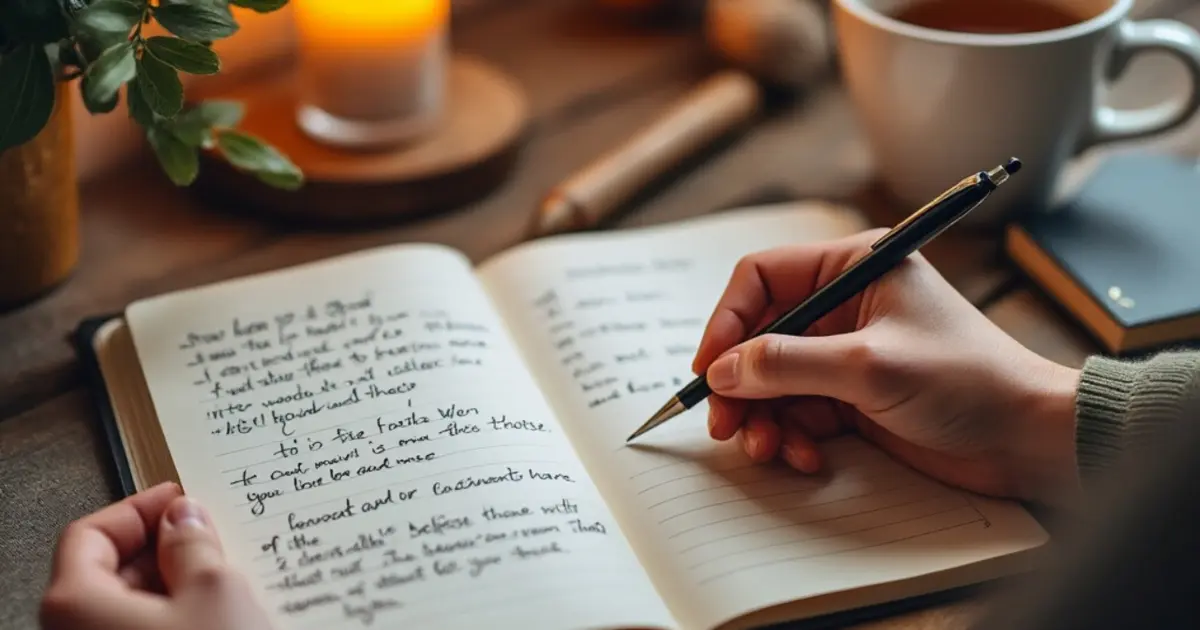
1. Journaling
Journaling gives your thoughts a place to land. Writing slows your thinking. That makes patterns easier to see.
Research by psychologist James Pennebaker found that writing about emotional experiences was followed by significant improvements in physical and mental health. Changes in how people thought and used language while writing predicted the benefits.
Try this: write for ten minutes without editing. Then read it back and underline one sentence that surprises you.
2. The evening review
Spend five minutes each night on three questions. What went well? What didn’t? What will I do differently tomorrow? This short practice is one of the easiest reflective habits to keep.
3. “What” questions instead of “why” questions
Eurich reports that introspection built on “why” questions has been linked to worse job satisfaction and well-being. “Why” tends to invent explanations or feed rumination. “What” keeps you focused on the facts and the next step.
Swap “Why am I so anxious?” for “What am I feeling right now, and what triggered it?”
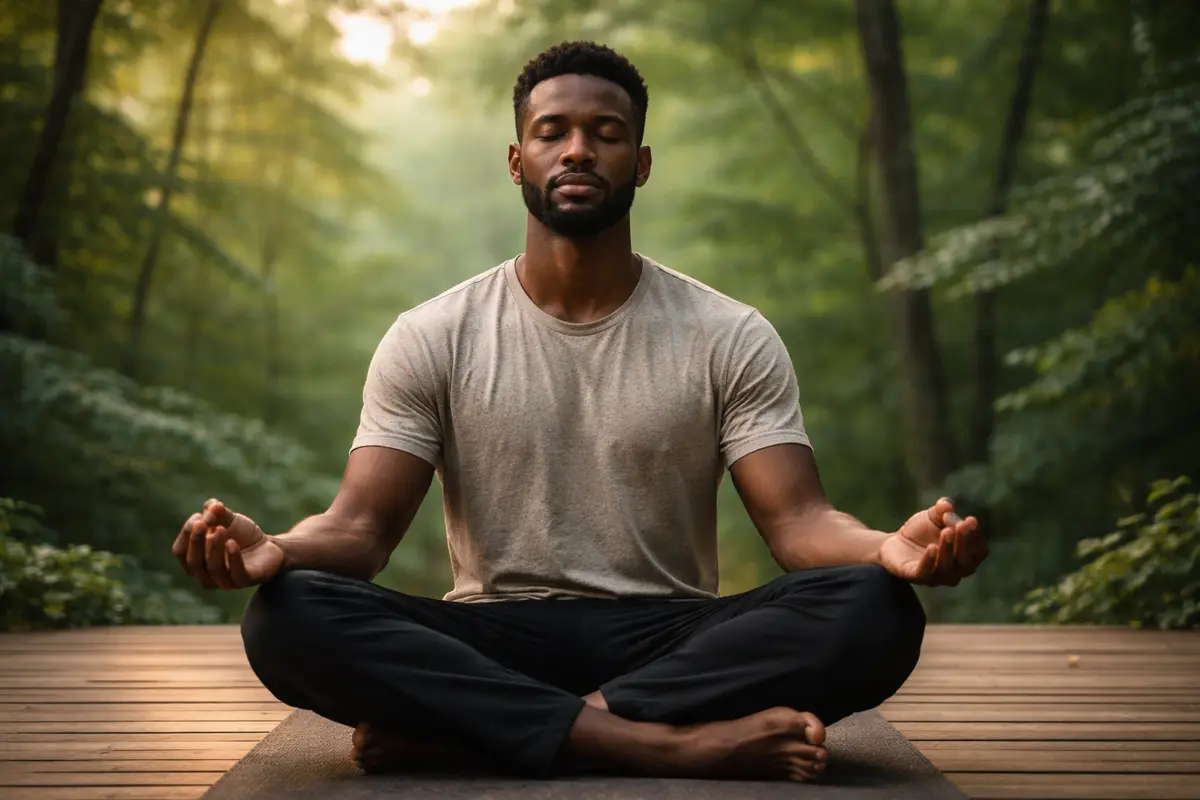
4. Mindfulness meditation
Mindfulness means paying attention to the present moment without judgment. It trains you to notice thoughts before you act on them.
In a 2011 study led by Britta Hölzel at Massachusetts General Hospital and Harvard Medical School, an eight-week mindfulness course was linked to increased gray matter concentration in the left hippocampus. That region is involved in learning, memory and emotion regulation. The guide to mindfulness meditation explains how to begin.
5. Feedback from others
Some blind spots can’t be seen from inside. Ask two or three people you trust one simple question: “What is one thing I do that gets in my own way?” Listen without defending yourself. Eurich calls these people “loving critics.”
6. Reflective walks
Walking without your phone gives your mind room to process. Many people find insights arrive more easily in motion than at a desk. The page on walking meditation shows how to turn a walk into a practice.
7. Future-self visualization
Picture yourself five years from now, living the life you want. What does that person do each morning? What did they stop doing? Then ask what one step would move you toward them this week.
8. Cognitive restructuring
This technique comes from cognitive behavioral therapy, developed by psychiatrist Aaron Beck. You catch a harsh thought, test it against the evidence and replace it with a more balanced one. “I always fail” becomes “I failed at this, and I have succeeded at other hard things.”
9. Values check-in
Once a week, list your top three values. Then check your calendar. Did your time match what you say matters? Gaps between values and actions are some of the most useful things reflection can reveal.
What Self-Reflection Questions Should You Ask Yourself?
Good questions do most of the work. Choose one or two per session rather than all of them.
About today
About emotions
About relationships
About values and direction
About growth
Self-reflection journal prompts
Prompts help when you sit down and nothing comes. Try these:
Subscribe to Create Higher Vibrations!
Get Inspiration and Practical advice straight to your inbox.
How Do You Build a Daily Self-Reflection Habit?
The best routine is short and regular. Ten to fifteen minutes a day beats an hour once a month.
How Do You Self-Reflect Without Overthinking?
Reflection turns into rumination when it loops without reaching a conclusion. You replay a mistake again and again and feel worse each time.
Three habits keep reflection healthy:
If reflection brings up painful material you can’t move through on your own, a therapist can help you work with it safely.
What if you find something you don’t like?
Honest reflection will show you things you’d rather not see. That is a sign it’s working.
Meet those discoveries with self-compassion. Treat yourself the way you’d treat a friend who told you the same thing. Then pick one small step to address it. Growth comes from facing uncomfortable truths kindly, not harshly.
Is Self-Reflection a Spiritual Practice?
For many traditions, self-reflection is where spiritual life begins.
The shared thread is gentle attention. Each tradition asks you to look inward with gratitude and patience rather than harsh judgment. That is a useful model for how to self-reflect today, whatever you believe. The shadow self page explores Jung’s idea further.
How Do You Know Self-Reflection Is Working?
The changes are gradual. After a few weeks of steady practice, look for these signs:
Reflection also connects naturally to other inner work, such as a growth mindset and subconscious reprogramming.
What Would Jung’s Letter Say to You Tonight?
Jung wrote his line about looking inside in a personal letter, not a textbook. His advice was simple. Clarity comes from within, not from searching outside.
You don’t need a retreat or a new app to begin. You need ten quiet minutes and one honest question.
Tonight, before bed, open a notebook. Write the date. Answer three questions: What went well? What didn’t? What will I do differently tomorrow?
Do the same tomorrow night. By the end of the week, you will know yourself a little better than you did on Monday.