Quantum Reiki Explained: How Energy, Intention, And Consciousness Come Together
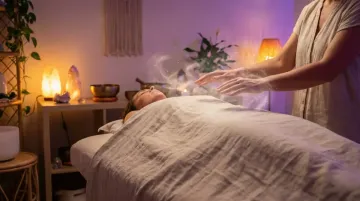
Quantum Reiki merges Reiki tradition with quantum physics language and consciousness concepts. Practitioners build sessions around intention, awareness, and subtle energy rather than strict hand positions.
This makes it distinct from classical Reiki while sharing its core energy-healing roots.
If you are new to this practice, the basics deserve a clear look first. This page covers what quantum Reiki is, how sessions work, and what research says. It also covers how to choose a practitioner and which practices pair well with it.
By 2022, 36.7% of US adults used at least one complementary health approach. Quantum Reiki draws from this wider interest in energy, intention, and self-directed wellness.
- Quantum Reiki blends Reiki tradition with quantum physics and consciousness frameworks.
- It focuses more on intention and visualization than on specific hand positions.
- No clinical trials exist for quantum Reiki as a named practice yet.
- A 2025 meta-analysis found Reiki improved quality of life across 661 participants.
- Sessions of 60-plus minutes, repeated eight or more times, showed the strongest results.
- Distance sessions are a defining feature setting quantum Reiki apart from classical Reiki.
- Energy work should complement qualified medical and mental health care.
Quantum Reiki Explained in Plain Language
Quantum Reiki is a style of energy healing rooted in the Reiki tradition. Practitioners describe working in the “quantum field” to shift patterns in awareness and energy. The goal is to support inner change, not to diagnose or treat any condition.
The label “quantum” borrows vocabulary from physics, not from clinical science. Practitioners use these concepts as frameworks for organizing subtle inner experience. This distinction matters for anyone trying to understand what the practice actually claims.
Adjacent modalities like Theta Healing, Pranic Healing, and Reconnective Healing use similar energy-based language. All four share conceptual ground but differ in technique, lineage, and session structure.
Subscribe to Create Higher Vibrations!
Get Inspiration and Practical advice straight to your inbox.
How Quantum Reiki Differs From Traditional Reiki
Traditional Usui Reiki follows a lineage-based attunement system with structured hand positions. Attunements are ritual transmissions passed from a Reiki Master to each student. The system traces back to Mikao Usui in early 1900s Japan.
Quantum Reiki tends to be less structured and more fluid in its format. Some teachers include attunements; others build their own session frameworks without them. This variation makes quantum Reiki harder to pin down as a single unified system.
Quantum Reiki, Traditional Reiki, and Somatic-Quantum Healing Compared
| Feature | Traditional Usui Reiki | Quantum Reiki | Somatic-Quantum Healing |
|---|---|---|---|
| Origin | Mikao Usui, early 1900s Japan | Modern blend, late 20th century | Contemporary integration model |
| Core focus | Universal life energy via hands | Quantum field, intention, consciousness | Body awareness, energy, and psychology |
| Attunement | Yes, lineage-based | Varies by teacher | No formal attunement |
| Session style | Hands-on, set positions | Fluid, intention-driven | Somatic awareness plus energy tools |
| Distance sessions | Yes, remote Reiki included | Yes, central to the practice | Yes, available online |
| Research status | Small-to-moderate evidence base | No dedicated clinical trials | No dedicated clinical trials |
The Core Concepts Behind Quantum Reiki
Quantum Reiki organizes inner work through a set of recurring conceptual themes. These are not verified physical mechanisms but frameworks that shape how sessions are structured. Knowing them helps you engage with a session more clearly and intentionally.
The Quantum Field in Healing — What It Actually Means
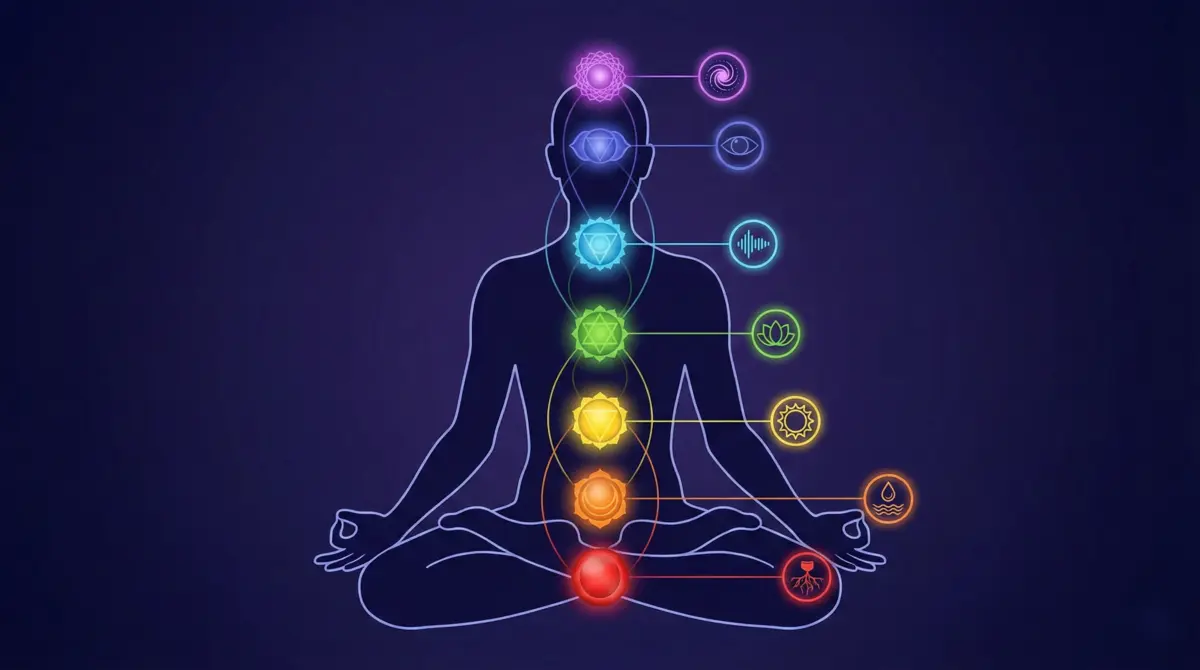
The “quantum field” as used in healing is a metaphor borrowed from physics. In actual physics, quantum fields describe the behavior of subatomic particles in space. Healing practitioners use the term to mean a space of potential and interconnection.
Quantum effects do appear in living biological systems, which adds useful context here. Photosynthesis and bird magnetoreception both rely on quantum-level processes in biological cells.
This does not confirm that Reiki sessions alter quantum fields in the human body. It does show that biology and quantum processes are not fully separate.
This distinction makes the quantum Reiki framing more nuanced than critics often allow. The science behind quantum biology does not validate healing claims but does add real context.
Observer Effect, Nonlocality, and Vibration
Three ideas appear consistently across quantum Reiki teachings and session formats.
Observer effect — Your focused attention is seen as shaping your energy experience. This mirrors real quantum physics, where observation influences particle behavior at subatomic scales. Practitioners extend this idea to suggest that conscious intention shapes energy flow in sessions.
Nonlocality — Energy is described as not bound to any specific physical location. This concept forms the basis for remote and distance quantum Reiki sessions.
Vibration and resonance — States of consciousness are described as having a measurable frequency. Shifting that frequency through focused practice is the stated aim of each session.
Treat these three as working maps, not as literal scientific claims. They help structure inner experience, but do not carry clinical proof behind them.
Does Quantum Reiki Have Scientific Evidence?
Quantum Reiki does not have dedicated clinical trials as a named practice. Evidence for Reiki in general is growing, but remains mixed and preliminary. Major health institutions stay cautious when drawing any conclusions about energy healing.
What Current Research on Reiki Shows
A 2025 meta-analysis reviewed 11 randomized controlled trials covering 661 participants in total. Reiki therapy produced a small-to-moderate improvement in overall quality of life. Sessions of 60-plus minutes, done eight or more times, produced the strongest outcomes.
As of July 2024, around 140 Reiki studies appeared in peer-reviewed journals. Most remain pilot studies that need larger, more rigorous follow-up trials to confirm findings.
In 2025, some clinical settings began pairing Reiki sessions with EEG and HRV measurement tools. Researchers use these to track nervous system responses and better understand what occurs during sessions.
Where Quantum Reiki Stands Today
The US National Center for Complementary and Integrative Health states the position clearly. Reiki has not been clearly shown to be effective for any specific health condition. Quantum Reiki, as a newer style, has even less formal research behind it.
Energy practices are best treated as optional, exploratory, and personal tools. They do not replace recommended medical care or qualified mental health treatment.
What Happens in a Quantum Reiki Session?
A quantum Reiki session unfolds in a predictable sequence of clear stages. Knowing what to expect lets you arrive prepared and more open to the work. Most sessions run between 45 and 90 minutes from start to finish.
Practitioners typically recommend three to eight sessions for a first-time client. Single sessions commonly range from $60 to $150, depending on the provider.
Remote and Distance Quantum Reiki
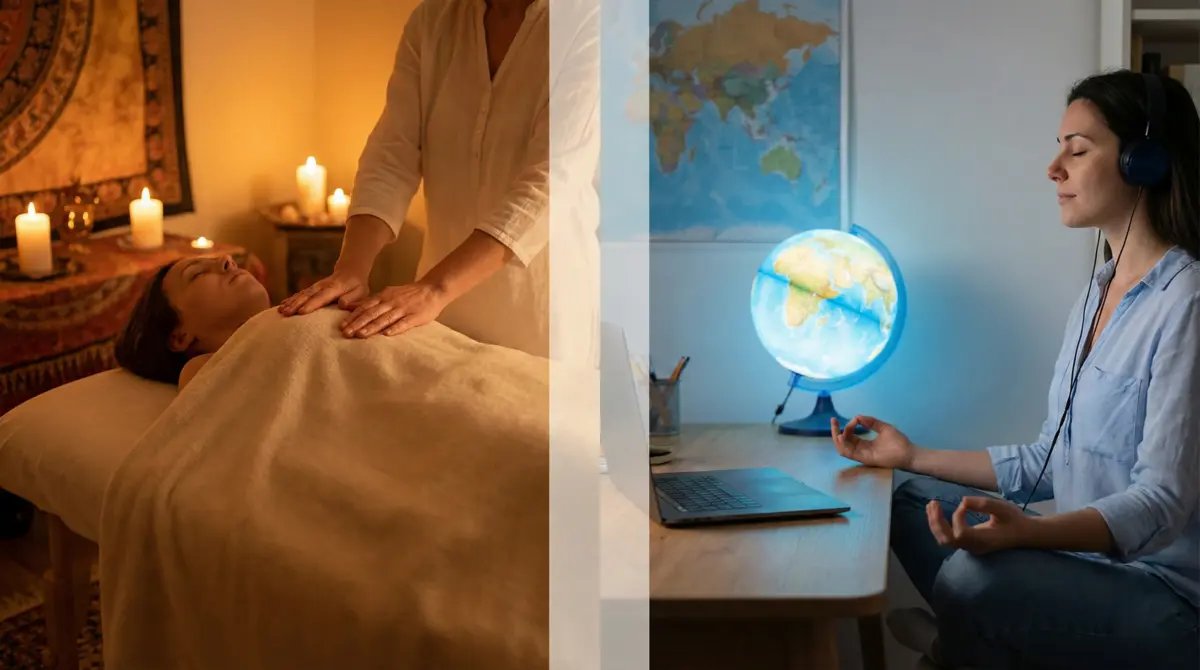
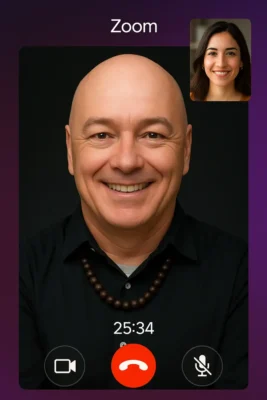
Remote healing is one of the central features that define quantum Reiki practice. Traditional Reiki includes distance healing, but quantum Reiki places it front and center. Sessions happen via phone, video call, or a scheduled silent energy transmission.
Clients consistently report similar sensations in remote sessions as they do in person. No controlled trials have confirmed this effect as of early 2026. Remote work makes quantum Reiki accessible regardless of where a client lives or works.
Chakras and Subtle Energy in Quantum Reiki
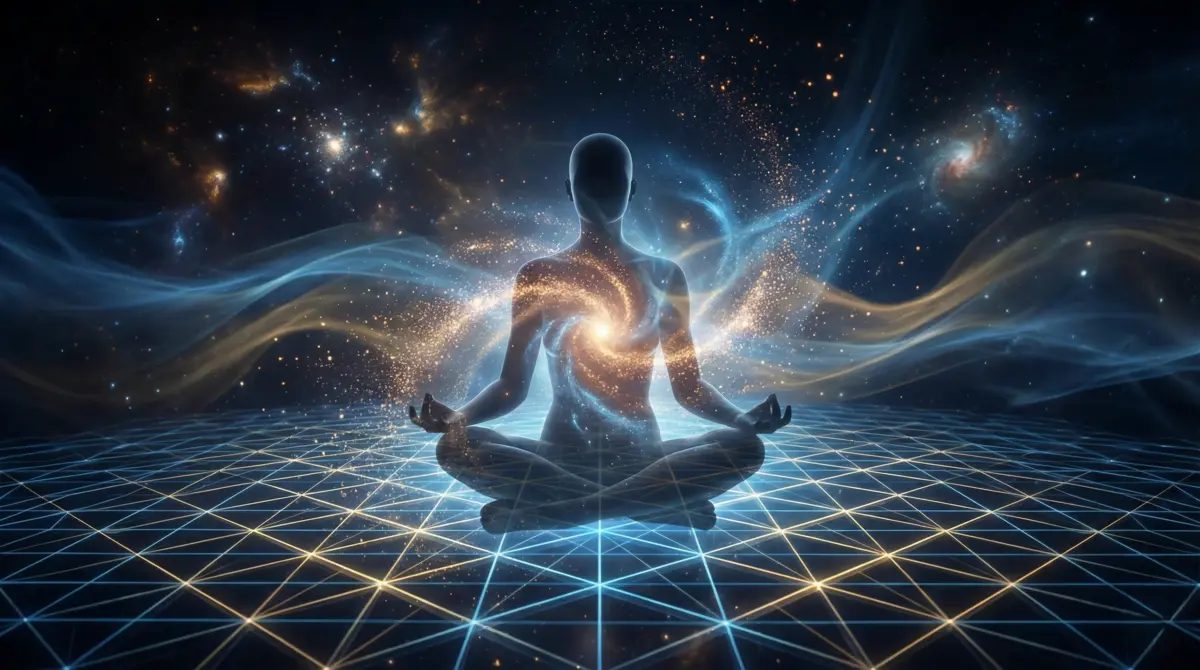
Many quantum Reiki practitioners use chakras as a core energy-mapping tool in sessions. Chakras are described as energy centers running from the base of the spine upward. Each center connects to specific emotional themes, body regions, and states of awareness.
Practitioners scan each chakra to sense areas of tension or reduced energy flow. Clients breathe, visualize color, or hold an affirmation tied to a specific center. The chakra system is a map of experience, not an anatomical structure.
Use it as a self-reflection tool rather than a diagnostic framework. This keeps the work exploratory and honest for both practitioner and client. Our chakra-healing and balancing resources approach chakras in the same careful way.
How to Find and Vet a Quantum Reiki Practitioner
Standards across quantum Reiki teachers and training programs vary widely. Not everyone who uses the label holds formal Reiki training or certification. The International Association of Reiki Professionals (IARP) offers one credible reference point when searching for qualified practitioners.
[Experience example: A practitioner with formal Reiki Master certification, trauma-informed training background, and several years of client-facing practice can address each checklist question below with confidence and specific answers.]
Questions to Ask Before You Book
A qualified practitioner answers each of these questions clearly and directly.
Discover Your Inner Self. Join Our Self-Mastery Program.
Self-Mastery Coaching gives you the space, tools, and guidance to grow, reflect, and discover your values and inner strength.
Practices That Pair Well With Quantum Reiki
Quantum Reiki works well alongside other energy and wellness practices. The key is building a stable routine rather than layering too many methods at once. Consistency in two or three practices tends to produce more lasting shifts over time.
Common pairings include:
Pairing quantum Reiki with quantum meditation can sharpen your intention work considerably. The two practices reinforce each other when applied with consistency over time.
Building Your Foundation Before You Specialize
Strong self-awareness tends to improve the quality of any energy practice you pursue. Practitioners who have done their own inner work hold steadier intention during sessions. Clients who understand their patterns integrate session insights far more easily and deeply.
A grounded foundation also reduces the risk of spiritual bypassing. Spiritual bypassing means using energy concepts to sidestep real emotional challenges in daily life. Personal responsibility and emotional literacy stay central to any deep inner work.
Universal law ideas often appear in quantum Reiki sessions and training programs. These include cause and effect, vibration, and the principle of correspondence. Treating them as psychological and spiritual perspectives keeps the work grounded and honest.
Our Self-Mastery Course offers an eight-week foundation for this kind of inner work. It covers thought patterns, emotional habits, and limiting beliefs practically. Practitioners and clients who complete this kind of foundation often report clearer, more intentional sessions.